Ali Khamenei in the trap of desertion: The IRGC is the only shield of the revolution against collapse
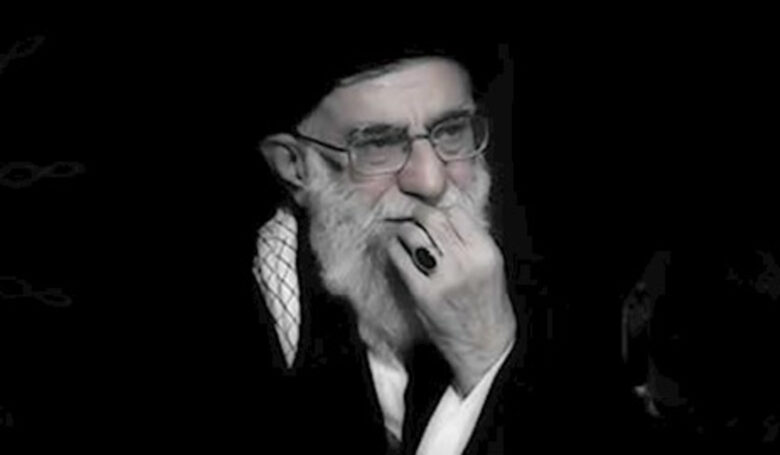
After distrusting the army and police, Ali Khamenei entrusted his fate to the IRGC, considering it the revolution's shield against collapse.
At the height of the nationwide protests in Iran, according to the British newspaper "The Telegraph," Supreme Leader Ali Khamenei has ordered the Islamic Revolutionary Guard Corps to be placed on the highest level of alert, even higher than during the 12-day war with Israel.
According to internal sources, this decision represents the most critical security moment within the regime in recent years and reflects the Iranian leader's deep understanding of the collapse of his relations with the country's traditional security structures.
A senior Iranian security official, who is being kept anonymous, told the Telegraph about Khamenei's announcement of readiness to the IRGC: "Khamenei's trust in the army and the police has diminished, and he has now placed his fate in the hands of the IRGC, because he believes that the IRGC will never leave him alone in times of crisis."
This development indicates deep doubts about the loyalty of forces such as the army and the police, which in recent weeks have reported cases of defiance, hesitation, or even joining the protesters in the face of popular protests. These are issues that the regime is trying to keep quiet about in order to gain media coverage, but at the same time have attracted the attention of international observers.
The Revolutionary Guard Corps, however, as an ideological institution loyal to the leadership of Khomeini and Khamenei, has always prioritized the role of suppressing opponents and preserving the system since the 1979 revolution, and is now widely active in containing domestic protests, monitoring and prosecuting security forces that have not resisted the people, and maintaining political control in the country.
Another part of the security official's report refers to the widespread internet shutdown in Iran and the difficulty in obtaining real statistics on the number of deaths and arrests during the protests; a move that shows that the regime, in addition to physically suppressing discontent, also intends to fully control the information and media space.
According to these reports, one of the government's main concerns is not only domestic protests, but also threats from US President Donald Trump, who has specifically warned of possible intervention in the event of bloody repression of the people.
Although some Iranian officials have tried to deny the claim that Khamenei is leaving the country, other officials have said that even if B-2 aircraft fly over Tehran, Khamenei will not leave Tehran.
But the question is, what lies behind this shift in the security axis? The current crisis in Iran seems to have set in motion a chain of factors simultaneously:
- Unprecedented pressure from popular protests and the spread of disobedience among law enforcement forces and even parts of the army.
- Ali Khamenei's distrust of traditional security forces, who are no longer able to guarantee the survival of the system with the same previous approach.
- Overt and covert support for the Revolutionary Guard Corps as the main loyal force, which has now assumed a decisive role in internal security and maintaining the regime.
Since its establishment in 1979, the Revolutionary Guard Corps has always been at the center of Iran's political and military power, and in recent times, its influence in the economic, political, and security spheres has increased, an issue that Western analysts have repeatedly warned about and described as one of the pillars of survival for the Islamic Republic.