Diplomatic pressure increases, with Iran threatening to close the Strait of Hormuz
مجلس شورای اسلامی ایران با تهدید مبنی بر بستن تنگه هرمز، قصد فشار دیپلماتیک بر جامعه جهانی را دارد.
مجلس شورای اسلامی روز گذشته ۲۲ ژوئن برابر با ۱ تیر ماه، با طرح بستن تنگه هرمز موافقت کرد. اجرای این طرح منوط به تائید نهایی شورای عالی امنیت ملی به ریاست مسعود پزشکیان رئیسجمهور ایران است، اما هنوز مشخص نیست که این اقدام عملی خواهد شد یا خیر.
در واقع ایران برای اقدامات تلافیجویانه علیه حملات اسرائیل و آمریکا، با تهدید بستن تنگه هرمز قصد فشار دیپلماتیک و بازی روانی بر جامعه جهانی را دارد.
«عباس عراقچی» وزیر امور خارجه ایران که به استانبول سفر کرده، در پاسخ به سوال «احتمال بسته شدن تنگه هرمز چقدر است»، گفت: «ما همه گزینهها را روی میز داریم و از تمام ابزارهای مشروع برای دفاع از خود استفاده خواهیم کرد.»
«جیدی ونس» معاون رئیسجمهور آمریکا در واکنش به تهدید ایران مبنی بر بستن تنگه هرمز، طی سخنانی اعلام کرد: «تلاش ایران برای ایجاد اختلال در کشتیرانی در تنگه هرمز، برای این کشور «خودکشی» خواهد بود.»
گزارشهای منتشر شده مبنی بر سرعت گرفتن عبور و مرور کشتیها در تنگه هرمز، حاکی از ترس کشتیها به دلیل بسته شدن این تنگه میباشد و آنها به دنبال خروج سریع از تنگه هرمز میباشند و ترافیک عبوری از این تنگه، نگرانیها را نسبت به بسته شدن آن افزایش داده و آن را نیز تائید میکند. در حال حاضر حدود ۵۰ نفتکش بزرگ در تلاش هستند تا بتوانند از این تنگه خارج شوند.
مدیرعامل «شل» یکی از غولهای نفتی جهان، پیشتر درباره تاثیر جنگ ایران و اسرائیل اعلام کرده بود: «ما در مورد تاثیر احتمالی گسترده بسته شدن تنگه هرمز و شوک بزرگ به بازارهای نفت هشدار میدهیم. هزینه بیمه کشتیها تا ۲.۵ برابر افزایش یافته و مسیرهای طولانیتر و پرهزینهتر جایگزین شدهاند. این وضعیت به افزایش قیمت نفت منجر شده است.»
حمله هوایی آمریکا در بامداد روز گذشته یکشنبه ۱ تیرماه به سایتهای هستهای فردو، نطنز و اصفهان، نگرانیها بابت بسته شدن تنگه هرمز و کشیده شدن جنگ به خلیج فارس را افزایش داده است. بسته شدن این تنگه که محتمل به نظر نمیرسید، با ورود آمریکا به جنگ اسرائیل علیه ایران، به گزینه محتمل و نگرانی به جهت بسته شدن این تنگه تبدیل شده است. این نگرانیهای کشورهای منطقه، به ویژه کشورهای حاشیه خلیجفارس را نیز درگیر کرده است.
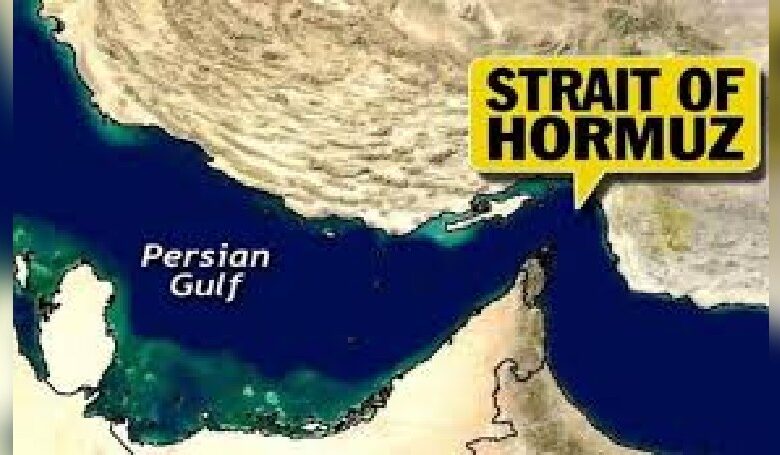
تنگه هرمز از شمال به ایران و از جنوب به امارات و عمان محدود شده است که حدود ۲۰ درصد از عرضه نفت جهان از این تنگه عبور میکند. «کپلر» موسسه ردیابی کشتیها طی گزارشی اعلام کرد که بالغ بر ۵۰ نفتکش بزرگ، هماکنون در حال تلاش برای خروج از تنگه هرمز هستند. صنعت نفت نیز پیشبینی میکند این تنگه در آینده بسته شود.
به عقیده برخی از کارشناسان، در صورت بسته شدن تنگه هرمز قیمت نفت به شدت افزایش یافته و مرز ۹۰ دلار را رد خواهد کرد که در این صورت کشور باید منتظر آزادسازی منابع استراتژیک نفتی آمریکا و چین برای کنترل بازار باشد. چین و آمریکا میتوانند تا دو میلیون بشکه از ذخایر استراتژیک را تامین کنند.
روسیه و عربستان نیز به عنوان اعضای «اوپک پلاس» از کافی بودن ذخایر نفتی خود برای جبران عرضه نفت خبر دادند. اعلام آمادگی این کشورها برای عرضه نفت، بدان معناست که در صورت وارد شدن خللی در عرضه نفت ایران، دیگر کشورها جایگزین خواهند شد. اما نکته اینجاست که با بسته شدن تنگه هرمز، کشورهای حاشیه خلیج فارس نیز درگیر جنگ اسرائیل با ایران خواهند شد و این مسئله به بزرگتر شدن جنگ خواهد انجامید.
سوال اینجاست که آیا ایران میتواند به راحتی تنگه بزرگ هرمز را ببندد و چگونه قادر به بستن آن خواهد بود؟ و اینکه آیا بسته شدن این تنگه، جنگ را به خلیجفارس خواهد کشاند؟ در پاسخ به این سوالها میتوان گفت که ناو هواپیمابر آمریکایی «Vinson» در فاصله ۸۰ کیلومتری تنگه هرمز مستقر شده و ناو «Nimits» بلافاصله از دریای چین به سمت خلیجفارس به منظور ثبات بیشتر ناو وینسون و تقویت حضور آمریکا اعزام شد.
اکنون ایران نیز تهدید کرده که تنگه هرمز را میبندد، در حالیکه بستن این تنگه اصلا کار سادهای نیست. بستن این تنگه به چند روش میتواند انجام شود: ۱. استقرار مینهای دریایی ۲. استفاده از قایقهای تندرو و موشکهای ساحل به دریا ۳. اشغال فیزیکی نقاط کلیدی تنگه ۴. ممانعت قانونی یا هشدار رسمی به کشتیها.
اما مسئله اینجاست که انجام اینها ساده نیست، زیرا که دقیقا در قسمت پایین جزیره هرمز تردد کشتیهای نفتی و غیره در دسترس ایران نیست و از آبهای نزدیک به کشور عمان عبور میکند که کنترل آن از دسترس ایران خارج است. تنها برگ برنده ایران برای بستن تنگه هرمز، جزایر سهگانه هستند؛ زیرا در صد کیلومتری غرب تنگه هرمز کشتیها مجبور هستند برای ورود و خروج دقیقا از بین جزایر قشم، تنبها و ابوموسی که جزایر تحت کنترل ایران هستند عبور کنند.
به همین دلیل جزایر سهگانه ایران از اهمیت استراتژیک بسزایی برخوردار است و امارات نیز در پی بازگرداندن این جزایر میباشد. با توجه به این اطلاعات، ایران تنها با کنترل مسیرهای رفت و برگشت کشتیها و ۴ روش ذکر شده، میتواند تردد کشتیها را متوقف کرده و به اصطلاح تنگه هرمز را ببندد که عواقب این کار بسیار سنگین خواهد بود.
در نتیجه اطلاعات فوقالذکر، میتوان گفت به طور میانگین تقریبا ۸۲ کشتی در طول روز یعنی حدود ۱۷ میلیون بشکه نفت و گاز مایع، معادل ۲۰ درصد از کل نفت جهان از این منطقه خارج میشوند که متعلق به صادرات تمامی کشورهای حوزه خلیجفارس از جمله عراق، کویت، بحرین، قطر، عربستان و امارات به دهها کشور از تمام قارههای دنیا میباشد و بستن این تنگه انرژی تمام دنیا را تحتالشعاع مستقیم و سریع قرار خواهد داد. در نتیجه بستن شدن تنگه، بلافاصله باعث پیامدهای اقتصادی سنگین جهانی شده و به درگیری مستقیم نظامی با کشور آمریکا، ناتو و کشورهای صادرکننده همسایه خواهد انجامید. به همین دلیل بستن تنگه هرمز در گفتار آسان، اما در عمل بسیار دشوار خواهد بود.
حال سوال اینجاست که با تمام این پیامدها، ایران بستن تنگه هرمز را عملی خواهد کرد یا خیر؟