The Empire of Hidden Money: Exposing the Network Transferring Hundreds of Millions of Dollars to Hezbollah
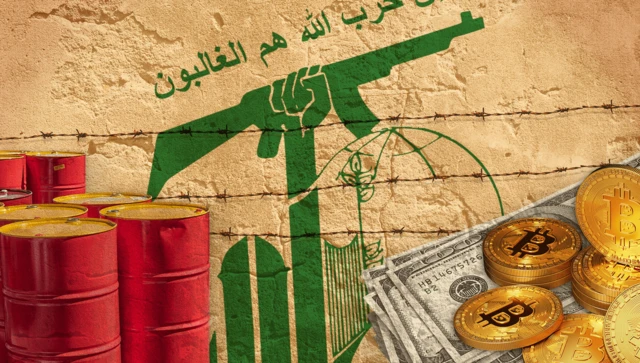
بررسی مسیرها، حاکی از بازیگری مقامات جمهوری اسلامی و ابعاد گسترده حمایت مالی از حزبالله میباشد که سیستم بانکی رسمی را، از چمدانهای دیپلماتیک تا شبکههای حوالهای دور میزنند.
در چند هفته اخیر، گزارشهایی از منابع متعدد رسانهای و تحقیقاتی منتشر شده که از وجود یک سازوکار سازمانیافته برای انتقال منابع مالی کلان از جمهوری اسلامی به حزبالله لبنان حکایت دارد؛ شبکهای که بنا بر این گزارشها، با استفاده از پوششهای دیپلماتیک، مسیرهای غیررسمی بانکی و سازوکارهای پیچیده مالی، صدها میلیون دلار را به لبنان منتقل کرده است.
بر اساس این اطلاعات، برخی مقامهای ارشد جمهوری اسلامی با استفاده از گذرنامههای دیپلماتیک و پروازهای تجاری به مقصد بیروت، اقدام به جابهجایی «چمدانهایی حاوی مبالغ کلان» کردهاند. در این گزارشها از عباس عراقچی، علی لاریجانی و شش مقام دیگر جمهوری اسلامی بهعنوان افراد دخیل نام برده شده است.
محمدابراهیم طاهریانفرد، محمدرضا شیرخدایی، حمیدرضا شیرخدایی، رضا ندایی، عباس عسگری و امیرحمزه شیرانیراد، شش دیپلماتی هستند که در عملیات انتقال صدها میلیون دلار پول نقد به لبنان دست داشتهاند.
این اقدام در شرایطی صورت گرفته که حزبالله پس از متحمل شدن ضربات سنگین به ساختار فرماندهی، تسلیحاتی و مالیاش در ماههای اخیر، بهطور جدی در پی بازسازی توان خود بوده است و انتقال چمدانهای پول از ایران به لبنان با استفاده از هواپیماهای غیرنظامی یا رمزارزها، موضوعی تازه نیست.
اسرائیل مدتها با کنترل حریم هوایی لبنان و با فشار به دولت این کشور، اجازه فرود هواپیماهای جمهوری اسلامی در فرودگاه بیروت را نداد اما به تدریج این کنترلها کاسته شد.
سال گذشته، حامیان حزبالله در برابر فرودگاه بیروت تجمعات اعتراضی برگزار کردند، زیرا دولت لبنان مانع از فرود یک هواپیمای ایرانی شده بود که بنا بر گزارشها، مبالغ قابل توجهی پول نقد برای حزبالله حمل میکرد. اسرائیل پیشتر هشدار داده بود در صورت ادامه روند انتقال پول از ایران به لبنان، علیه فرودگاه بیروت دست به اقدام خواهد زد.
یکی از دیپلماتهای دخیل در قاچاق پول نقد، محمد ابراهیم طاهریانفرد است که وزیر خارجه جمهوری اسلامی را در سفر ۱۸ دی به بیروت همراهی میکرد. طاهریانفرد دیپلماتی ۷۰ ساله است که پیشتر سفیر جمهوری اسلامی در ترکیه، دستیار ویژه محمدجواد ظریف در وزارت خارجه و نماینده ویژه حکومت در افغانستان بود.
شیرخدایی، دیگر نیروی کهنهکار وزارت امور خارجه جمهوری اسلامی است که در قاچاق صدها میلیون دلار پول نقد برای حزبالله نقش داشته است. این دیپلمات ۶۹ ساله، پیش از این سرکنسول ایران در پیشاور و اسلامآباد پاکستان و دستیار ویژه وزیر خارجه در دولت اول حسن روحانی بود. او اکنون رییس هیئتمدیره یک شرکت تعاونی به نام «پیشکسوتان بینالملل وفا» است که در پولشویی به نفع وزارت امور خارجه جمهوری اسلامی فعالیت دارد.
دیگر دیپلمات دخیل در انتقال پول نقد به حزبالله، شیرانیراد است. او تا سال ۱۳۹۱ کارمند سفارت جمهوری اسلامی در کانادا بود، اما پس از قطع روابط دیپلماتیک اتاوا و تهران، به ایران دیپورت شد.
اما انتقال نقدی، تنها بخشی از ماجراست. گزارشهای منتشرشده در رسانههای غربی نشان میدهد که طی یک سال گذشته صدها میلیون دلار درآمد نفتی ایران از طریق صرافیها، شرکتهای خصوصی و شبکه حواله در دبی به حزبالله لبنان منتقل شده است.
شبکههای حوالهای موسوم به «هَوالا» یکی از ابزارهای کلیدی در این فرآیند هستند. در این سیستم، پول بدون جابهجایی فیزیکی از طریق تسویه حساب میان صرافیها و واسطهها منتقل میشود؛ روشی که ردیابی آن برای نظام بانکی بینالمللی دشوارتر است و به دور زدن تحریمها کمک میکند.
برخی گزارشها همچنین از استفاده از شرکتهای بازرگانی صوری، پوششهای صادرات و واردات و تهاتر نفت با کالا برای تامین منابع مالی خبر میدهند. در این الگو، درآمدهای ارزی حاصل از فروش نفت یا فرآوردههای نفتی در کشورهای ثالث جمعآوری شده و سپس از طریق واسطهها به لبنان منتقل میشود.
شبکه کان اسرائیل اوایل دیماه از موافقت جمهوری اسلامی با پرداخت یک میلیارد دلار به حزبالله خبر داد. همچنین روزنامه «والاستریت ژورنال» گزارش داد جمهوری اسلامی طی یک سال گذشته صدها میلیون دلار درآمد نفتی را از طریق صرافیها، شرکتهای خصوصی و شبکه حواله در دبی به حزبالله لبنان منتقل کرده است.
در واکنش به این روند، ایالات متحده و برخی کشورهای اروپایی، افراد و نهادهایی را که در تامین مالی حزبالله نقش داشتهاند، در فهرست تحریم قرار دادهاند. هدف این تحریمها، مسدودسازی داراییها، محدود کردن دسترسی به سیستم مالی بینالمللی و قطع کانالهای انتقال پول عنوان شده است.
تداوم این روند، همزمان با بحران اقتصادی عمیق در ایران، اعتراضات سراسری و سرکوب مردم ایران، انتقادهایی را در داخل کشور برانگیخته است. مخالفان میگویند تخصیص منابع کلان به گروههای منطقهای، در شرایطی که اقتصاد داخلی با تورم، کاهش ارزش پول ملی و کمبود سرمایهگذاری مواجه است، شکافهای اجتماعی را تشدید میکند.
در سطح منطقهای نیز این انتقالهای مالی، تنش میان ایران و اسرائیل را افزایش داده و خطر گسترش درگیری به زیرساختهای غیرنظامی مانند فرودگاه بیروت را بالا برده است.
مجموع گزارشهای منتشرشده، تصویری از یک شبکه چندلایه انتقال پول ترسیم میکند؛ شبکهای که از چمدانهای دیپلماتیک تا صرافیهای دبی و سیستمهای حوالهای را در بر میگیرد. اگر این ادعاها صحیح باشد، با یکی از گستردهترین و پیچیدهترین سازوکارهای دور زدن تحریمها روبهرو هستیم؛ سازوکاری که نهتنها معادلات مالی لبنان، بلکه توازن امنیتی منطقه را نیز تحت تاثیر قرار داده است.
در مقابل، مقامهای جمهوری اسلامی همواره ارسال پول نقد یا سازماندهی چنین شبکهای را رد کرده و این گزارشها را سیاسی میدانند.