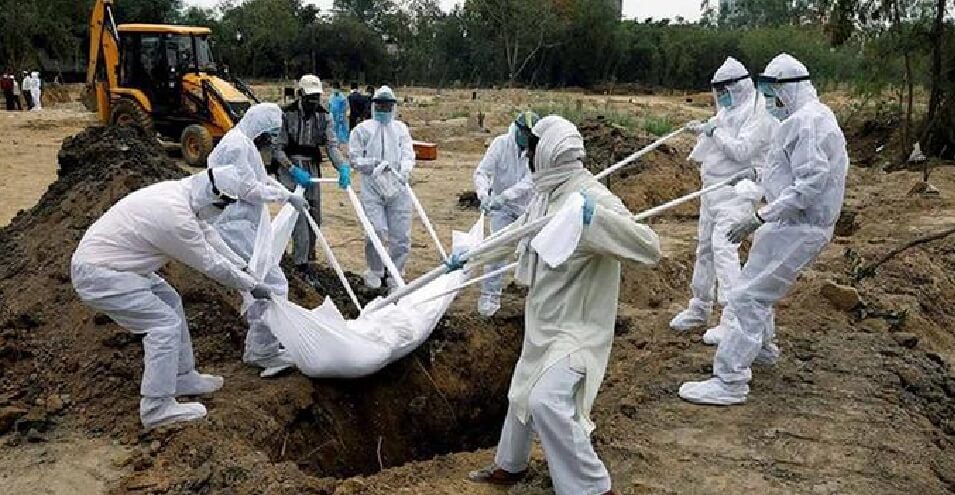
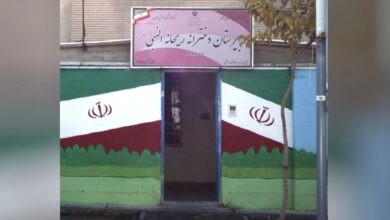
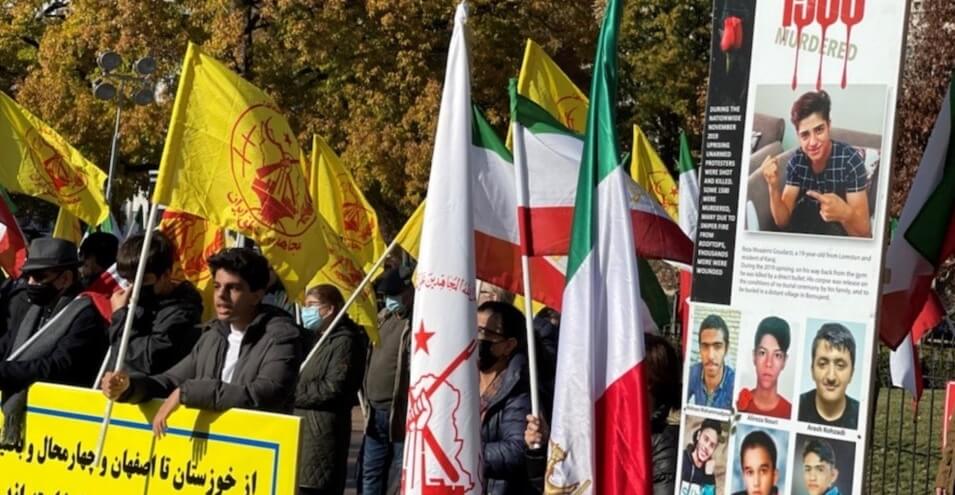
Mosques in 132 cities and schools in “low-risk” areas reopen in Iran
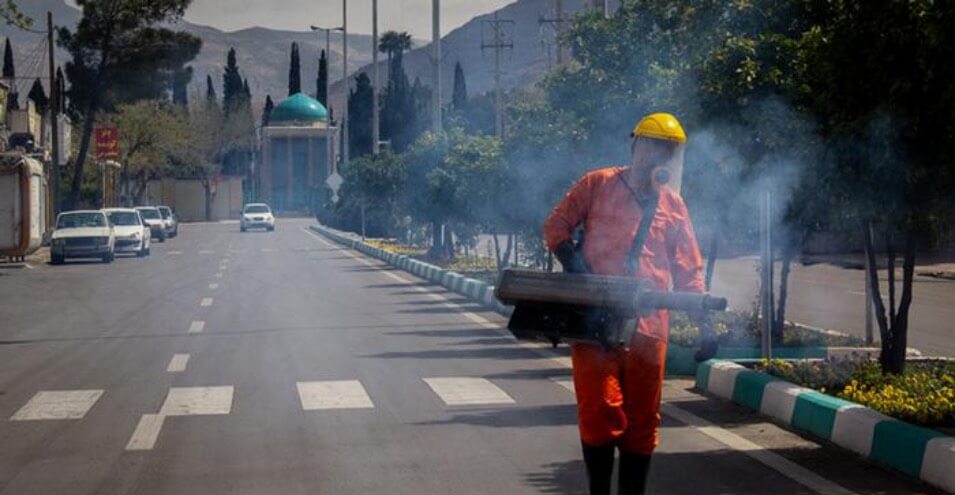
Hassan Rouhani announced at a meeting of the coronavirus task force that mosques in 132 cities will reopen. He also said that schools in “low-risk areas” will also start operating. Sports centers and some classes will reopen even in “red” areas.
In his speech on Sunday, May 4 (May 3), at the headquarters to combat the coronavirus, Hassan Rouhani announced the government's new decisions. Among these decisions is the opening of mosques from Monday, May 5, in 132 counties that have a "low-risk" status. The government's information site also quoted him on Twitter: "It was decided that schools in low-risk areas would reopen on May 20, observing protocols, and we would have education for a month, and then exams; I was worried about how the protocols would be implemented; it was decided that it would be changed to May 17, and studies would continue before then; there should be no concerns."
According to ISNA, among the decisions of Sunday's meeting is the gradual reopening of some businesses, such as hair salons and sports centers, "even in red zones."
The latest coronavirus statistics in Iran, according to Kianoush Jahanpour, spokesman for the Ministry of Health, indicate that 976 new cases of coronavirus have been identified in the past 24 hours, bringing the total number of COVID-19 cases to 97,424. As of Sunday, 6,203 people have lost their lives to the disease in Iran.
Is there no reason to worry?
In his remarks today, Hassan Rouhani assured the people that neither the gradual reopening of businesses in red zones nor the reopening of schools is cause for concern. This is while many families, especially in large cities, are concerned about their children's movement on crowded streets and vehicles, as well as schools where it is not clear what "protocols" will be "observed" and how they will be "observed." This concern has also been expressed on social media.
The government's decision to resume the activities of mosques, guilds, and schools has especially surprised those who are closely dealing with the situation of coronavirus patients and hospitals, and who believe that there is still no guarantee of people's safety against coronavirus.
The bipolarity of science and religion or life and bread
In his speech today, the head of state expressed concern about the possibility of a bipolarity between science and religion, or a duality between life and bread, among policymakers: "At times, we were concerned about the bipolarity of society, but thank God, this bipolarity did not occur; at one time, I was concerned about the lack of gatherings, which would create a bipolarity between religion and science; the Imams of the scholars and the religious authorities did not allow this bipolarity to occur. When we began reopening, a bipolarity between life and bread could have occurred, but this bipolarity did not occur, and everyone understood that we must both protect life and provide bread. Both the Ministry of Health and the Ministry of Interior and all the organizations, along with the people and political factions, no one allowed a bipolarity to occur."
But a look at what has happened in Iran in the last few days shows that the government has been under pressure from this "bipolarity of science and religion" and has been forced to make some decisions; including under pressure from the Alimeh seminary, it has decided to reopen mosques, despite the clear message of warnings from the spokesperson for the Ministry of Health and the head of the headquarters to combat the coronavirus in the previous days. Other news also shows that some extremist groups have not stopped trying to hold rallies.
On Saturday, May 4, it was announced that the ban on some gatherings, including religious gatherings, had not yet been lifted. However, the "Entikhab" website, citing officials from the Qadim al-Ihsan Institute, reported that a prayer gathering was closed due to police intervention.
Tehran Governor Anoushirvan Mohseni Bandpay also announced the suspension of religious ceremonies at Tehran's Arg Mosque, and government spokesman Ali Rabiei emphasized that the only institution that can decide on the reopening of religious places is the Ministry of Health, and that those who "hold official podiums" should "let the relevant working groups decide on this matter at their leisure and in peace."
The dichotomy between religion and science was most evident in the first weeks of the spread of the coronavirus in Iran, when a group marched with sticks and clubs to reopen religious places in Qom and Mashhad. They put their fingers in the mouths of patients in hospitals, and many other abnormalities occurred.
Canceling the Quds Day march “doesn’t make any sense”
In addition to religious ceremonies, political programs such as the Quds Day march are also tied to the identity of the Islamic Republic and are of particular importance. On Sunday, Ramadan Sharif, the spokesman and head of public relations for the Revolutionary Guard Corps, referred to the desire to hold these ceremonies in some cities at a meeting on “coordination on how to commemorate International Quds Day” and said a sentence that clearly indicates the bipolarity desired by Hassan Rouhani:
"Given the current circumstances, if we explicitly say that the International Quds Day march will not be held physically and in the field, it will not go anywhere, and we should not worry about what the enemies will judge in this regard."
According to ISNA, he rejected the proposal made in this meeting to hold a Quds Day march in some cities, arguing that: "If this march is held in some cities and not in others, it will cause more damage because the criterion for judging by foreign media in this regard is holding a Quds Day march in Tehran, which, given the situation in Tehran regarding the spread of the coronavirus, is most likely not possible to hold a march in Tehran."
The president's words about the lack of a two-way street between bread and life also have millions of complainants. Millions of people who were struggling to find food and shelter before the coronavirus are now experiencing a free fall into the abyss of hunger with the coronavirus outbreak. A look at the statistics shows that 70 percent of construction and seasonal workers have lost their jobs. A large number of workers in service and manufacturing units have also become virtually unemployed.
Construction workers, daily wage earners, street vendors, workers in trade unions and services, uninsured employees... all have been left to their own devices in the Corona crisis without any income or support. These are just the first few lines of a long list of the "bipolarity of life and bread" in Iran today.
Source: DW