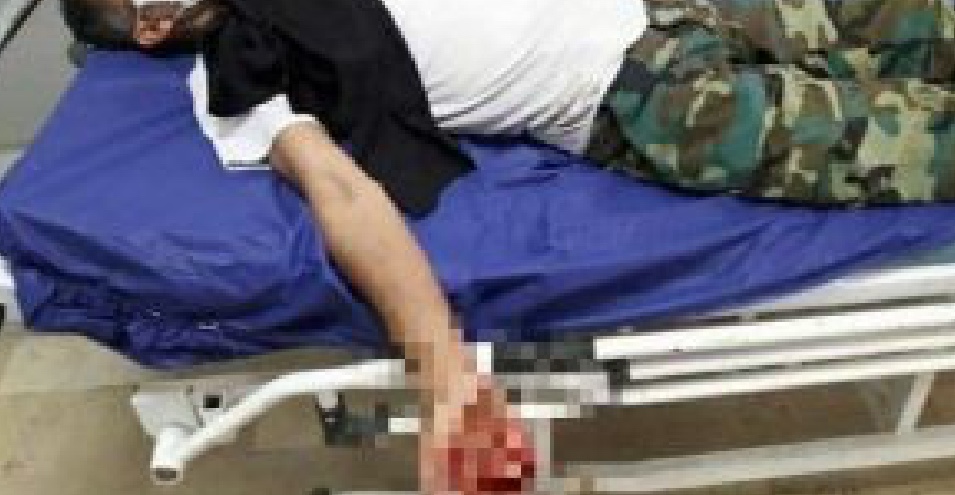
The arrest and torture of Mohsen Alizadeh is an example of the repression of protesters in Iran.
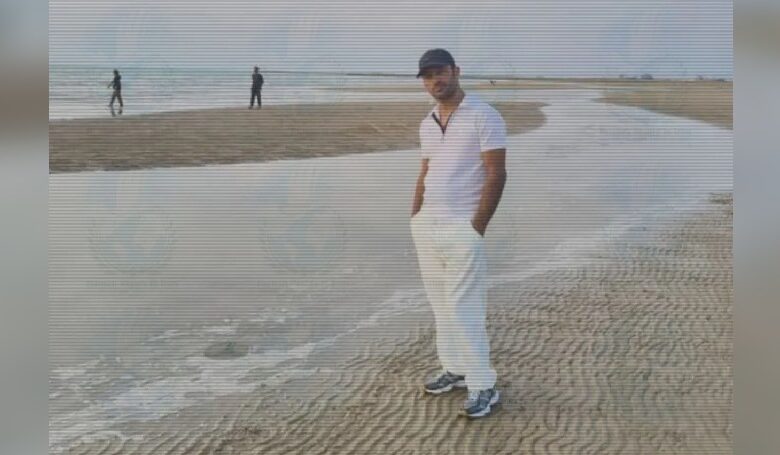
The arrest and torture of Mohsen Alizadeh Banari is a recent example of the government's repression of its opponents.
According to informed sources, Mohsen Alizadeh Banari, a citizen of Gachsaran, was arrested by the IRGC intelligence forces on Saturday, September 29, 2021, for participating in a protest rally against frequent power outages in front of the city's governor's office. After several days of detention and severe torture that resulted in a dislocated shoulder, he was finally released on bail last Thursday, September 13.
These sources say that Alizadeh was previously arrested on August 11 and taken to an unknown location. During that raid, officers searched his home and confiscated items such as his laptop and cell phone. He also has a history of being arrested during the nationwide protests of November 2019, protests that were met with widespread and bloody repression, sending thousands to prison and dozens of innocent citizens to the brink of death.
The case of Mohsen Alizadeh is just one example of the Islamic Republic’s systematic repression. Over the past four decades, the government has shown that it is not immune to any group or stratum; from journalists and civil activists to workers, students, women protesters, and especially religious minorities. Baha’is, Gonabadi Dervishes, Christians, Sunnis, and even Shiites who criticize the status quo have consistently faced extrajudicial detentions, social exclusion, and long prison sentences. Unfounded accusations, forced confessions, and torture have become standard practice for the security apparatus.
On the other hand, the critical economic conditions in Iran, widespread unemployment, rampant inflation, and the collapse of the national currency, make people's lives more difficult every day. Continuous blackouts, persistent high prices, and widespread poverty are the main grounds for street protests. But instead of responding, the government sees no other option but to suppress. Just as the protests of January 2017, November 2019, the 1401 uprising, and even smaller union and local gatherings, were all met with bullets, arrests, and imprisonment.
Instead of listening to the people, the Islamic Republic government pursues a permanent policy of fear-mongering and intimidation. The arrest of Mohsen Alizadeh Banari showed that even a simple and basic protest against a power outage is met with torture and imprisonment. This approach shows that the government feels threatened by the slightest social discontent and makes imaginary enemies of minorities and protesters in order to cover up its crisis of legitimacy by suppressing them.
The reality is that the Islamic Republic has been imprisoning its critics and opponents for years, regardless of ethnicity, religion, or social class, and destroying their lives with security labels. From Gachsaran to Tehran, from Kurdistan to Sistan and Baluchestan, and from women protesters to religious minorities, everyone is faced with the true face of a government that resorts to torture and repression to maintain power and does not recognize even the most basic human rights of the people.