Protest rally for access to water in Zahedan

Sara.Kh. FCNN News Agency: Access to drinking water for the people of Sistan and Baluchestan requires paying a heavy price for purchasing tankers carrying purified water. However, in recent weeks, this process has also faced the problem of high prices, making access more limited than before.
According to FCNN, in recent months, the high cost of water has faced many problems for the residents of this province, and most households do not have the financial means to provide the required drinking water. In particular, the piped drinking water in this region of our country is not drinkable due to its bad smell and taste, and the compulsion to consume it has caused concerns for the people.
This problem is especially severe in the villages of Sistan and Baluchestan. According to a CNN reporter, residents of more than three thousand villages in this province now use water resources shared by humans and animals, which are also limited due to successive droughts.
This is despite the fact that due to the deterioration of the rural water distribution network, more than 60 percent of water is wasted in the network in this province, and the Ministry of Energy is not taking any action to improve water supply facilities.
The lack of access roads to a large part of the villages of Sistan and Baluchestan is another problem that has made it impossible for residents to access purified water via tanker.
A limited number of villages are supplied with water by tankers, and in most villages, tanker traffic is not possible due to the remoteness and difficulty of the routes.
Now, with the cessation of tanker operations, drinking water distribution in Sistan and Baluchestan is facing problems.
Since the beginning of November this year, the skyrocketing increase in water prices has dealt a heavy blow to consumers and tanker owners.
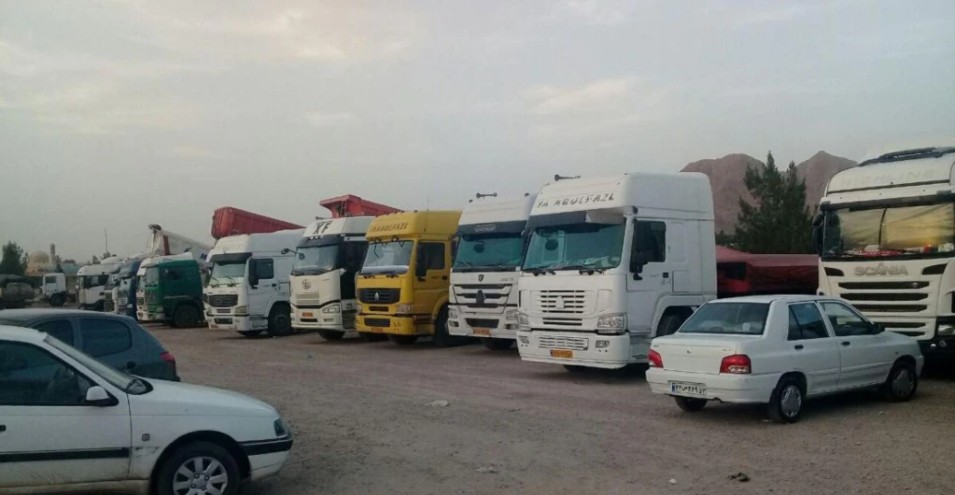
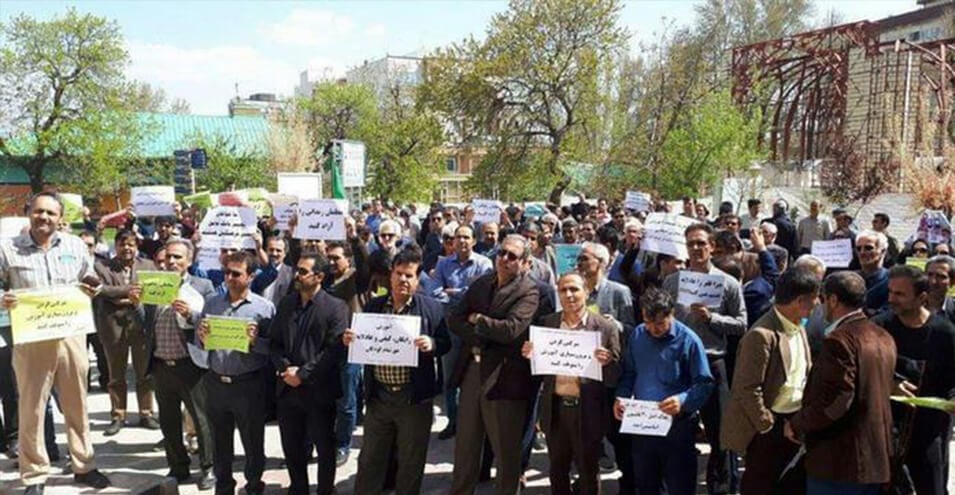
Meanwhile, the high price of purified water in Zahedan has led to protests from water tanker drivers. They have called for price controls in protest rallies.
According to the HRANA news agency, the price of water suddenly increased from six thousand tomans per cubic meter (thousand liters) to ten thousand tomans, which practically meant that water became more expensive in the city.