European Troika: Iran turned down another opportunity; JCPOA may not "reach the finish line"
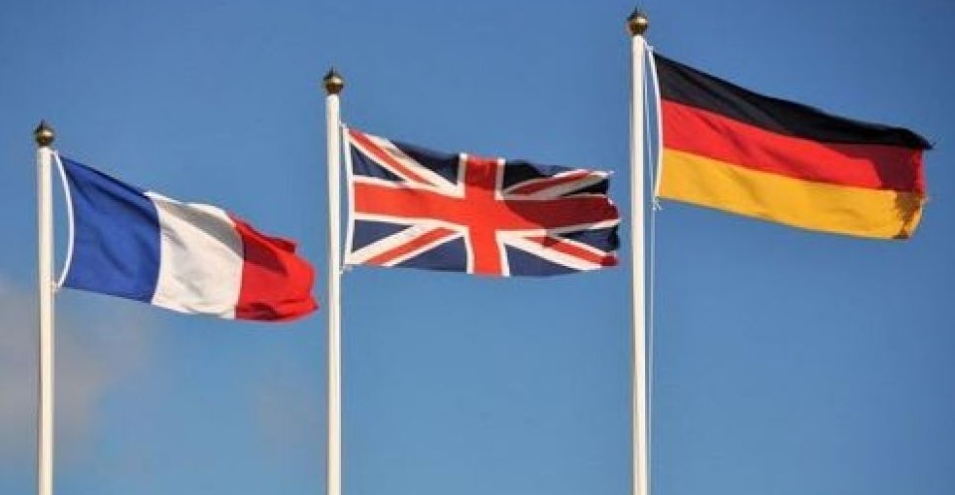
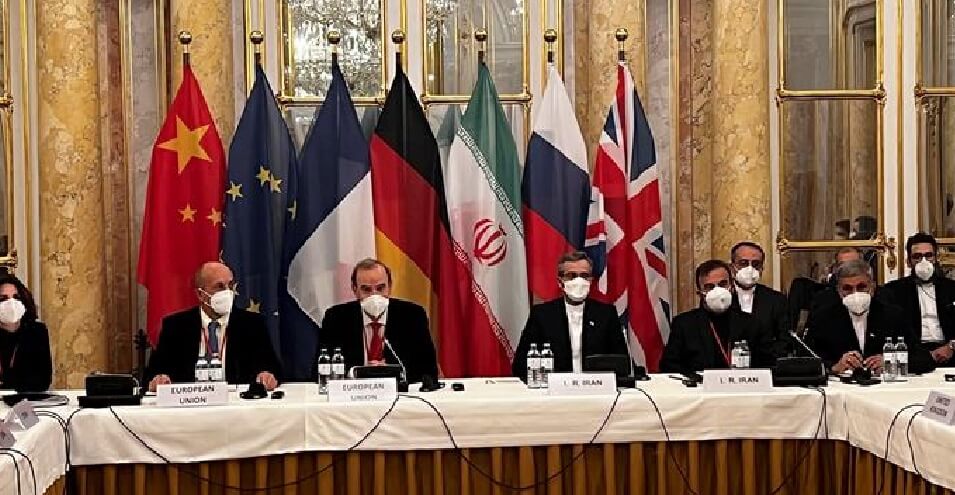
On Thursday, July 29, on the eve of a Security Council meeting, the three European powers that are members of the JCPOA, including Britain, France, and Germany, issued a joint statement once again warning about the accelerating progress of Iran's nuclear program and calling on the Islamic Republic to immediately conclude an agreement that "benefits the Iranian people and nation."
The statement said: "Unfortunately, at the meeting that ended yesterday in Doha, Iran turned its back on another opportunity and instead put forward new non-JCPOA demands that are far from reality."
The statement added that "Iran's actions are rapidly upsetting the balance of power that we agreed to during months of negotiations to revive the JCPOA."
The three European powers have also warned that Iran's acceleration of its nuclear activities closes the window for an immediate diplomatic solution, and have therefore called on Iran to stop escalating nuclear tensions and immediately return to full cooperation with the International Atomic Energy Agency.
Since the suspension of negotiations to revive the JCPOA, tensions over Iran's nuclear issue have increased, signs of which include the issuance of a resolution by the International Atomic Energy Agency's Board of Governors against Tehran for its failure to cooperate with the agency and Iran's response by disabling the agency's surveillance cameras.
The JCPOA may not "reach the finish line"
During the Security Council meeting, the European Union's ambassador to the United Nations said that following the failure of the new round of indirect talks between Iran and the United States in Doha, the union is concerned that an agreement to revive the JCPOA may not be reached.
Olof Skoog said on Thursday that he is concerned that Iran's nuclear talks with world powers will not "cross the finish line."
The EU ambassador, echoing the content of the joint statement of the three European powers that are parties to the JCPOA, added: "My message is: use this opportunity to conclude an agreement, based on the text that is ready on the table. Now is the time to overcome the remaining issues, conclude an agreement, and fully revive (the JCPOA)."
The Security Council held a regular meeting on Thursday to review the latest report by UN Secretary-General Antonio Guterres on the implementation of Resolution 2231 and the JCPOA agreement.
Richard Mills, the US deputy ambassador to the UN, also emphasized during the meeting that Iran has not shown any "real urgency" during the recent talks in Doha to conclude an agreement, end the current nuclear crisis, and achieve the lifting of sanctions.
Iranian Foreign Minister's assessment in conversation with Qatari counterpart
Meanwhile, Iran's foreign minister said on Thursday that despite the US's "negative assessment" of indirect talks in the Qatari capital to revive the JCPOA, reaching a nuclear agreement between Tehran and world powers is still within reach and possible.
In a phone call with his Qatari counterpart, Mohammed bin Abdulrahman Al Thani, who hosted the indirect talks between Iran and the United States, Hossein Amir-Abdollahian described the Iranian negotiating team's assessment of the new round of talks as "positive" and said that reaching an agreement was still within reach.
He then emphasized Tehran's "determination" to "continue negotiations until a good, realistic, and lasting agreement is reached."
Earlier, following the conclusion of a two-day meeting between Tehran and Washington in Doha mediated by the European Union, the US State Department announced that talks on resolving remaining issues from negotiations to revive the 2015 nuclear deal, known as the Joint Comprehensive Plan of Action (JCPOA), ended late Wednesday "without any progress."
A US State Department spokesman said after the talks in Doha that Washington "has clearly stated its readiness to immediately conclude and implement an agreement to reciprocally return to full commitments (to the JCPOA)."
Ned Price added that "However, as before, Iran has raised issues that are completely unrelated to the framework of the JCPOA nuclear agreement, and it appears that (Iran) is not yet ready to make a fundamental decision about whether it wants to revive the agreement (JCPOA) or bury it."
Iran's foreign minister, however, says an agreement is achievable if Washington adopts a "realistic" approach.
Negotiations to revive the JCPOA began with the coming to power of the Joe Biden administration, but these negotiations had been stalled since March of last year.
Iran has not been willing to negotiate directly with the United States on the nuclear deal since the start of negotiations to revive the JCPOA last year. In the recent round of talks in the capital of Qatar, Enrique Moura, as the European Union's chief negotiator, played the role of conveying the American message.
The analytical news website Axios wrote yesterday, quoting an unnamed American official, that the final text of the agreement was prepared several months ago and is still subject to the decision of the Iranian side.
The differences between Tehran and Washington remain as strong as ever; the Islamic Republic has put forward two conditions for a "super-JCPOA," according to American officials: one is to remove the Revolutionary Guard Corps from the US list of terrorist organizations, and the other is to receive a guarantee from Washington that subsequent US administrations will not withdraw from the current agreement.
The Joe Biden administration has announced that it is not willing to remove the IRGC from the list of terrorist organizations and cannot provide Tehran with guarantees regarding the policies of subsequent governments regarding the JCPOA.
Source: Radio Farda