Cuban coronavirus vaccine injections to begin in Iran from Nowruz
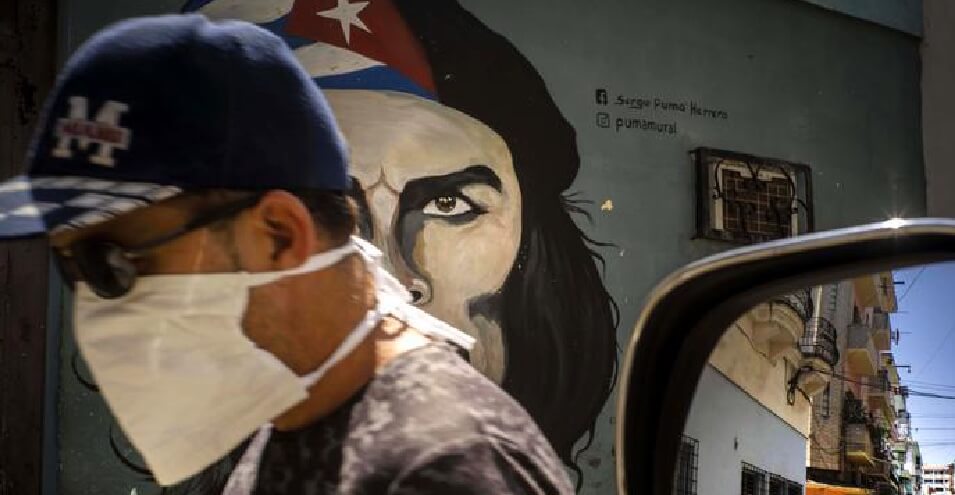
Following Ali Khamenei's order to ban the import of American and European coronavirus vaccines into Iran, Islamic Republic officials have announced the start of Cuban vaccine injections on Nowruz. There had also been talk of Indian, Chinese, and Russian vaccines.
Mostafa Ghanei, head of the coronavirus response headquarters in Iran, announced that the administration of the jointly produced coronavirus vaccine between Cuba and Iran will begin in the country by March of this year.
He said on a television program on Monday night (January 11): "The vaccine, which is being produced in Iran with the participation of Cubans, was injected into 56 people in Cuba in the first phase and into more than 100 others in the country in the second phase, but in the third phase of the trial, it is planned to be injected into several thousand people in Iran at the same time as in Cuba."
According to Ghanei, domestic vaccine production has begun in six or seven Iranian companies, but the Cuban vaccine is likely to enter the market first. Thus, public vaccination of the vaccine will begin in Iran in the spring of next year.
The head of the Corona Response Headquarters said that the first priority for vaccination is medical staff, followed by people over the age of 65 who have diseases, including high blood pressure.
Joint production of Cuba and the Pasteur Institute
Yesterday (January 12), the head of the Pasteur Institute of Iran announced the joint production of a coronavirus vaccine between Iran and Cuba. In an interview with Moj Rasa, Dr. Alireza Biglari referred to the Pasteur Institute's experience and background in vaccine production and described the institute as the first to produce a vaccine in the Middle East.
According to him, the Pasteur Institute's cooperation with Cuba began about 20 years ago with the transfer of hepatitis B vaccine manufacturing technology from Cuba to Iran, and a very high percentage of Iranians have received this vaccine.
Dr. Biglari described the technology for producing the coronavirus vaccine as one of the most advanced technologies and based on the infrastructure of the pneumococcal vaccine, saying: "This technology makes the vaccine both safe and harmless and provides very good immunity."
According to a Reuters report, the Finlay Vaccine Institute announced on Friday evening, January 8, that it had signed an agreement in this regard with the Pasteur Institute of Iran.
Reuters quoted Cuban officials as saying that the country should also test the vaccine on humans in countries outside Cuba that have high infection rates. The rate of COVID-19 infections in Cuba has been kept low due to good management.
Iranian media quoted Kianoush Jahanpour, spokesman for the Iranian Ministry of Health, as saying that they have prepared 50,000 volunteers for the third phase of clinical trials.
According to Jahanpour, the prerequisite for transferring vaccine manufacturing technology from Cuba to Iran was permission for phase three human trials in Iran.
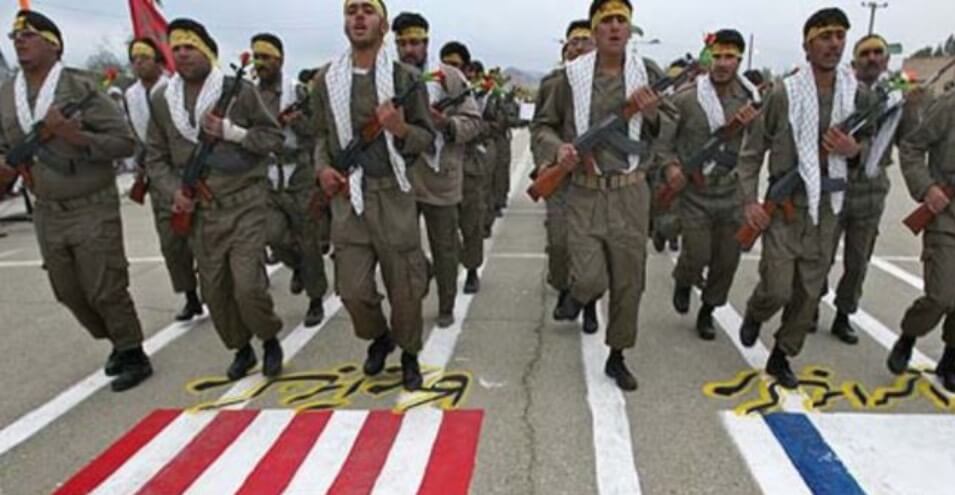
Recently, Supreme Leader Ali Khamenei banned the import of US and European-made coronavirus vaccines into Iran. Iranian health officials, including the Health Minister, supported this order.
After that, the head of the Iranian Medical System Organization announced that two million doses of the vaccine would be imported to Iran from China, India, or Russia by Nowruz.
Reflections on the Cuban vaccine on social media
With the announcement of joint vaccinations between Iran and Cuba starting next spring, a wave of criticism and protests has begun from social media users.
Most of these users, echoing the statement of Ebrahim Raisi, the head of the judiciary, who said, "Iran is not an American or British vaccine laboratory," wrote, "Iran is not a Cuban vaccine laboratory."
Political activist Iraj Mosadaghi also stated that the hepatitis vaccine made in Iran and Cuba was "an absolute failure."
Previously, Reuters reported on a joint project between Iran and Cuba to develop a coronavirus vaccine.
Some have also taken advantage of the words of a radical cleric who said, "If Soleimani had not been there, Faezeh Hashemi would have been a slave of ISIS," and have considered the use of the Cuban-made vaccine in Iran to be a "dishonor" for Iranians.
Source: DW