US: Vienna talks were positive but there is a long way to go

The US State Department spokesman called the talks between the P4+1 countries and Iran positive but stressed that the road ahead is longer than expected. Saudi Arabia also called on Iran to continue negotiations and avoid creating tension in the region.
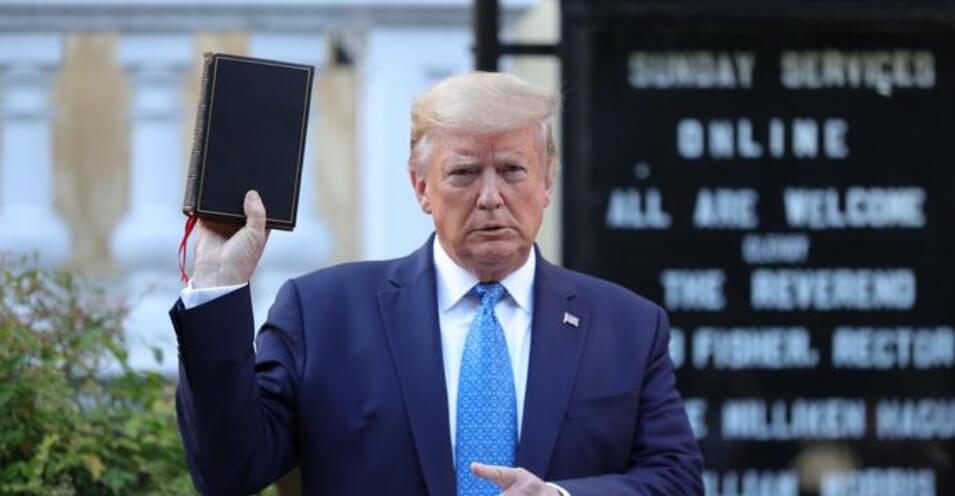
On Tuesday, April 20, after the conclusion of talks between the P4+1 countries and Iran in Vienna, US State Department spokesman Ned Price described the talks as positive but stressed that "there is a long way to go."
Price said that Robert Malley, the US special representative for Iran, has outlined specific steps that Iran and the US must take to return to the JCPOA. "At this point, we have a longer road ahead than we have ever traveled," he said.
The joint JCPOA meeting in Vienna ended on Tuesday evening, and the participating delegations returned to their countries. The heads of the negotiating delegations discussed the draft texts and how to continue the talks.
Europe's Conditional Optimism
A European official told Reuters after the talks that progress had been made to save the 2015 deal but more work was needed. He said talks between Germany, Britain, France, China and Russia with Iran would continue next week after their representatives had consulted with their own officials.
Enrique Moura, Deputy Secretary-General of the European Union's External Action Service, also wrote on Twitter after the talks ended: "Negotiations have made progress in the past two weeks, but much and difficult work remains."
Saudi Arabia's message to Iran
After the end of the Vienna talks, the Saudi cabinet issued a statement calling on Iran to continue negotiations, avoid tension, and not endanger the stability and security of the region.
The statement, published by the official Saudi Press Agency (SPA), stressed that the international community needs a “stronger and longer-term agreement with the implementation of control and monitoring mechanisms” to prevent Iran from “obtaining access to nuclear weapons and other capabilities needed to produce nuclear weapons.”
Source: DW