Human Rights Watch: Iranian authorities must impartially investigate allegations of torture of environmental activists
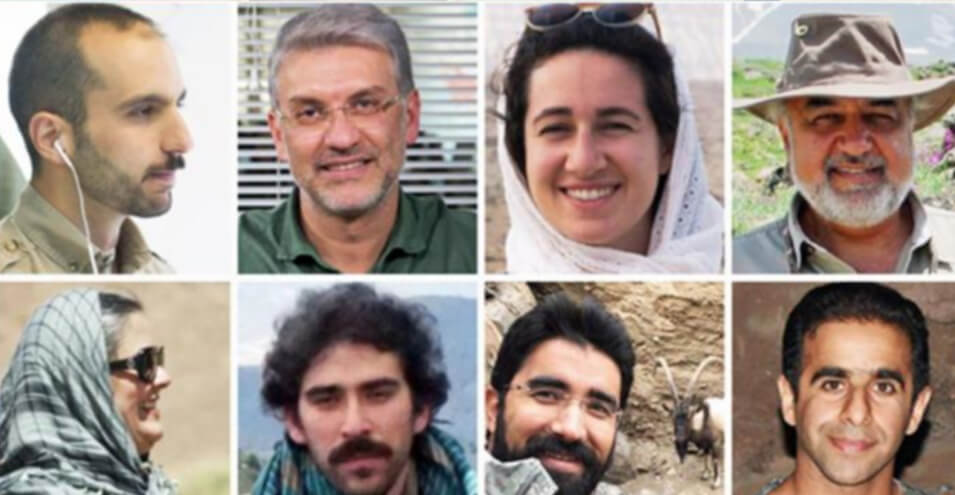
As the trials of environmental activists continue in Iran, Human Rights Watch has called on the Islamic Republic's authorities to "immediately conduct an impartial and transparent investigation into the allegations of torture made by the defendants during the trial."
The first court hearing for the defendants in the environmental case in Iran was held on February 10, when Sepideh Kashani, Niloufar Bayani, Amirhossein Khaleghi, Sam Rajabi, Taher Ghadirian, Abdolreza Kouhpayeh, and Morad Tahbaz, members of the local environmental group, Parsian Wildlife Heritage, appeared at Branch 15 of the Revolutionary Court for the start of their trial on charges of espionage.
The closed-door hearing was attended only by lawyers approved by the judiciary, despite the defendants having been in detention for more than a year, a matter that Human Rights Watch called a “violation of fair trial standards.”
In the environmental activists' trial, a reliable source told Human Rights Watch that "during the trial, one of the defendants interrupted the session and claimed that they had been tortured and forced to confess."
In this regard, Michael Page, deputy Middle East director at Human Rights Watch, said on Wednesday, February 7, that "the severity of due process violations against these activists over the past year and recent allegations of forced trials and confessions have reinforced the perception that the judiciary is a tool of repression and a symbol of injustice."
"The highest authorities must immediately investigate this allegation of torture, demand the immediate release of these activists, and end the blatant violations of their rights," he added.
Mr. Page has said that if Iranian President Hassan Rouhani wants anyone to believe that he does not agree with the routine torture of detainees in Iran, now is the time to act and he should intervene directly as the chairman of the National Security Council and order an independent investigation.
Two sources, who spoke on condition of anonymity, also told Human Rights Watch that the 300-page indictment against the environmental activists was based entirely on their forced confessions in custody.
A report published by Human Rights Watch further refers to the second session of the trial of environmental activists in Iran and writes that Niloufar Bayani, one of the defendants in this case, said in this court that "if you were threatened with an injection of hallucinogenic drugs, you would confess to whatever they want."
Previously, some Iranian officials, including MP Mahmoud Sadeghi, had announced that the activities of the defendants in the environmental case in Iran did not constitute "espionage." However, not only have these defendants been in detention for more than a year, but the third court hearing of these environmental activists is scheduled to be held on February 13.
These environmental activists have been arrested by the Ministry of Intelligence on charges of espionage, and the charges against four of them have been changed to corruption on earth.
So far, two trials have been held for the eight defendants in this case, in which only lawyers "approved" by the judiciary were allowed to enter the courtroom.
Also, while Branch 15 of the Revolutionary Court has announced that the indictment of environmental activists in this case is over 300 pages long, according to a report by the Human Rights Campaign in Iran, citing "informed and close sources," these activists have been forced to confess against themselves "under death threats."
Source: Voice of America