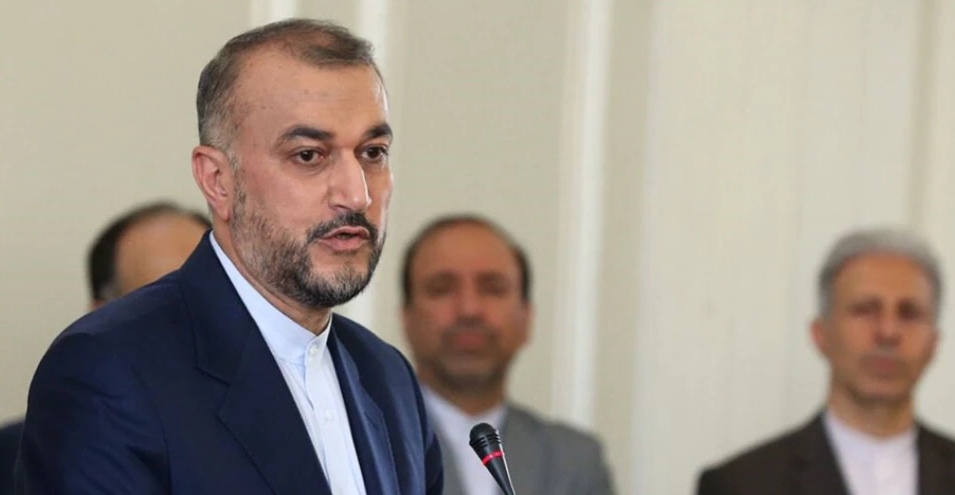
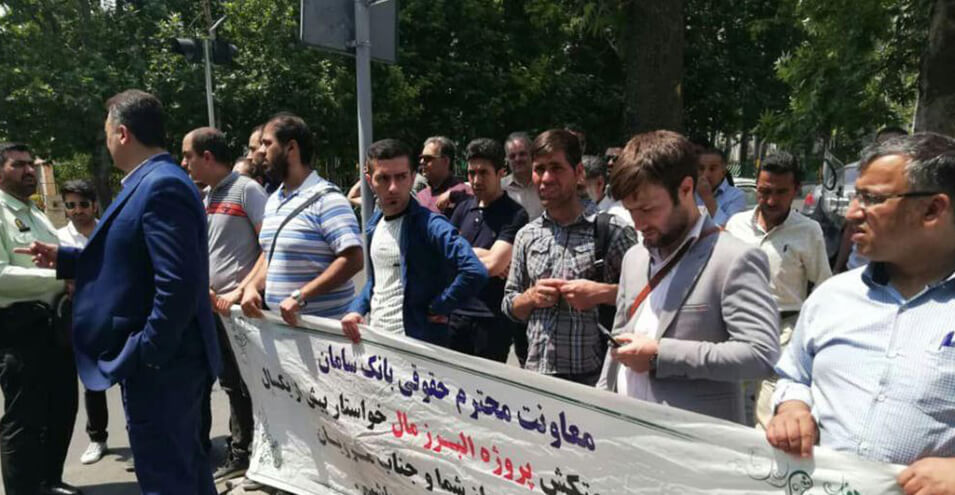
The deadly agreement with the Islamic Republic is saving the oppressive regime and threatening the life of the nation.
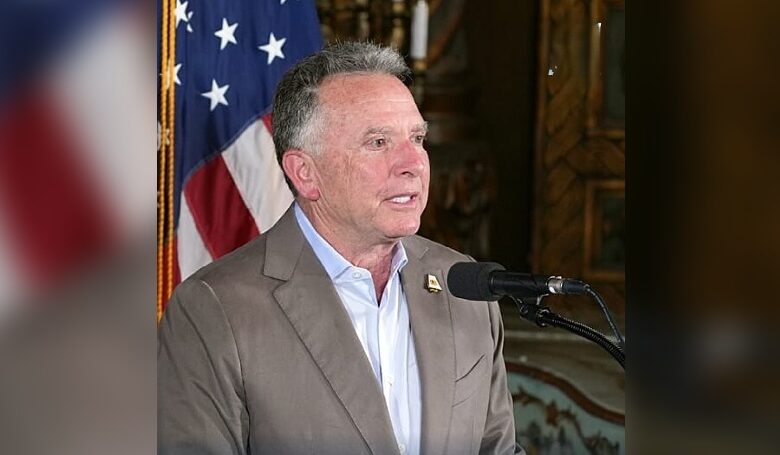
The deadly deal with the Islamic Republic raises the question of complicity. This policy not only legitimizes human rights violations, but also helps save a repressive regime and threatens the lives of a nation.
As major players in global politics try to rekindle the negotiating table between Washington and the Islamic Republic, warnings and sharp criticisms of the talks have been widely voiced. The prestigious Wall Street Journal bluntly states in its editorial board note: “The time for bargaining is past, and any diplomatic solution in the current situation would mean giving a lifeline to a collapsing regime that has killed thousands of its own people.”
The American media outlet stressed that after the devastating destruction of Iran’s nuclear program and a large part of its military force in the June 2025 attacks and the revelation of deep intelligence penetration, Tehran is weaker than ever. “If negotiations are to take place, what is really left to talk about?” Wall Street quoted its analysts as asking, warning that “any easing of sanctions at this point would only mean injecting money into the regime to strengthen its apparatus of repression,” a clear betrayal of the Iranians who risked their lives for their freedom.
These criticisms come at a time when developments on the ground in Iran show that the consequences for ordinary people have been catastrophic. After the sharp devaluation of the rial and overwhelming economic pressures, popular protests in Iranian cities have reached a critical point, and the regime has shown by bloody repression of thousands of protesters that it does not value human life. Analysts say that no real diplomatic solution can lead to peace without considering these realities, but rather that these negotiations can provide a "way to salvation" for a government that still reproduces "Death to America" and "Death to Israel" in its slogans.
While the US and Israel have proven their military superiority in the region in the past few months and Tehran's threats at sea and in the sky have not gone unanswered, Washington continues to seek to start negotiations in third countries such as Oman; actions that some analysts consider fruitless and even dangerous, because Tehran is unwilling to back down on the issue of missiles and support for militias and is trying to advance the negotiations by making tactical concessions.
On the other hand, analyses indicate that external pressure, military tensions, and economic crisis have not only failed to put the Iranian people on the path to peace and prosperity, but have also brought the domestic situation to a point where any political deal could lead to increased repression, continued poverty, and an escalation of proxy wars in the region. Critics of the agreement have warned that making any concessions (whether on the nuclear issue or sanctions) when the regime has lost its domestic legitimacy will only provide more capital to the machine of repression and threaten the lives of innocent people.
Ultimately, these critics have called on the US administration to use the opportunity to strengthen popular movements and hasten the overthrow of a government that has responded only to protests with violence and bullets, rather than negotiations that lead to “paper solutions” and the strengthening of a repressive regime. In this view, no deal or even an aggressive approach is preferable to a deal that buys the lives of the Iranian people at the cost of the survival of a repressive regime.
In the end, one must ask: Will this diplomatic agreement, which promises to reduce tensions, really lead to peace and security, or will it merely “appease” a repressive regime and sacrifice the future of the Iranian people? This is the question that opponents and staunch critics of the current negotiations have repeatedly raised, and as long as human lives are at stake, it remains unanswered.