Economic agreements between the Islamic Republic and the Taliban; Iran will develop "roads in eight Afghan provinces"
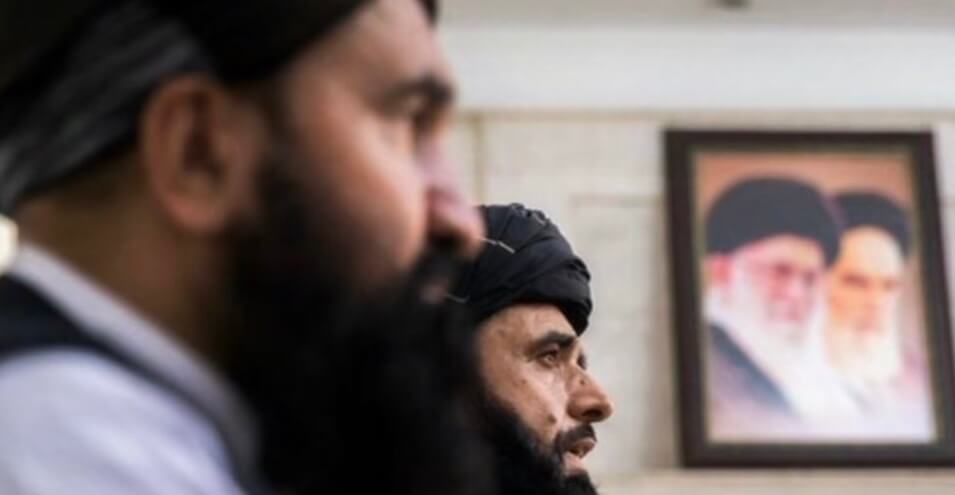
While most countries in the world, including the United States, have made recognition and establishment of relations with the Taliban conditional on the group's behavior and fulfillment of its commitments, it has been reported that the Islamic Republic of Iran has reached several economic agreements with the Taliban in various fields.
The IRNA news agency wrote in a report on Tuesday, October 4, that these agreements are in the fields of trade, oil and gas, road development, and transit, and are scheduled to be implemented gradually in 10 days.
However, the report did not mention the value and number of contracts.
According to the report, the Dogharoon-Islam Qala border has been set to be open 24 hours a day "to speed up trade." The Islamic Republic of Iran has also agreed with the Taliban to begin developing "roads in eight Afghan provinces and the Herat customs office" in a month.
According to the report, a Taliban delegation will travel to Iran to negotiate with officials from the Islamic Republic's Ministry of Oil to "resolve problems." Improving the process of transporting liquefied gas from Iran to Afghanistan is another of the provisions of the agreements. IRNA writes that for this purpose, construction of "a pipeline" from Dogharun to Islam Qala will begin "soon," according to the report.
The establishment of a border market, cooperation between the two countries in Afghan iron mines, and the export of Afghan dried fruits to India via Chabahar are among other agreements between the Islamic Republic and the Taliban.
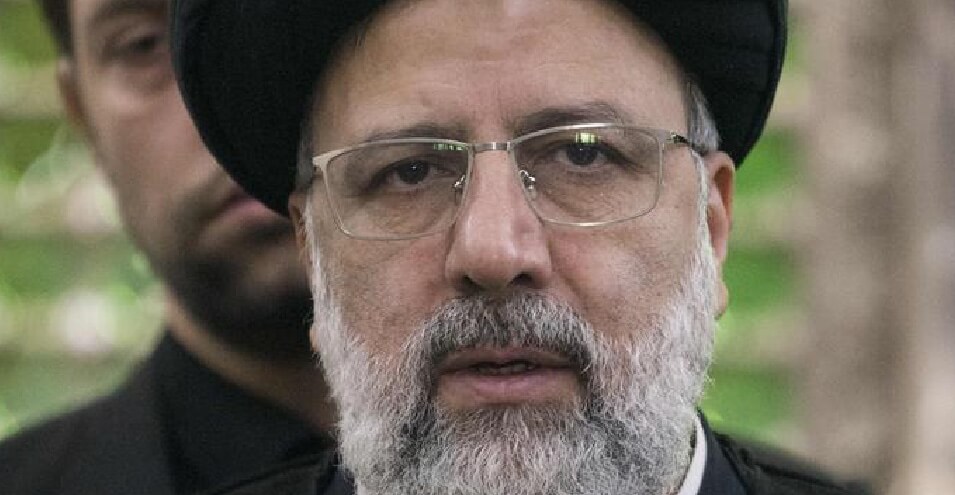
Following developments in Afghanistan and the Taliban's control over the country, Ebrahim Raisi said on Monday, August 16, without naming the Taliban: "The sovereignty of the will of the oppressed people of Afghanistan has always been a source of security and stability."
Meetings and negotiations between Taliban members and officials of the Islamic Republic of Iran were ongoing even before Afghanistan was taken under their control.
A Taliban delegation led by Mullah Abdul Ghani Baradar went to Tehran on February 27th of last month to meet with officials of the Islamic Republic, which led to a mostly negative reaction from Iranian users on social media.
Iran and Afghanistan share about 945 kilometers of land border.
US President Joe Biden warned the Taliban earlier this month that their actions, not their words, would determine the international community's future approach to them.
US Secretary of State Antony Blinken, while emphasizing the importance of respecting the rights of different segments of Afghan society, has made the lifting of sanctions imposed on the Taliban contingent on their future behavior.
In his opening remarks to the House Foreign Affairs Committee on Afghanistan, Mr. Blinken also said that the legitimacy and support that the Taliban seeks from the international community depends on their behavior.
Source: Voice of America