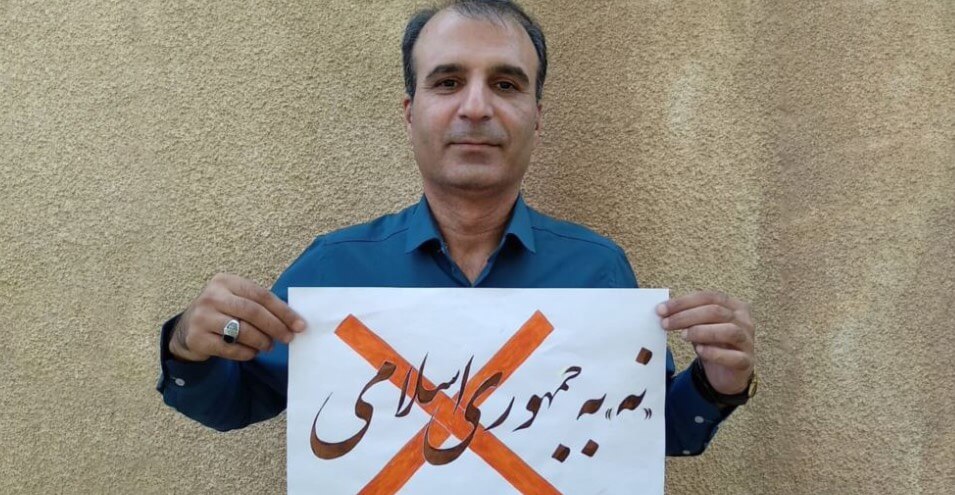
"A boss should be tried for his crimes, not the president"
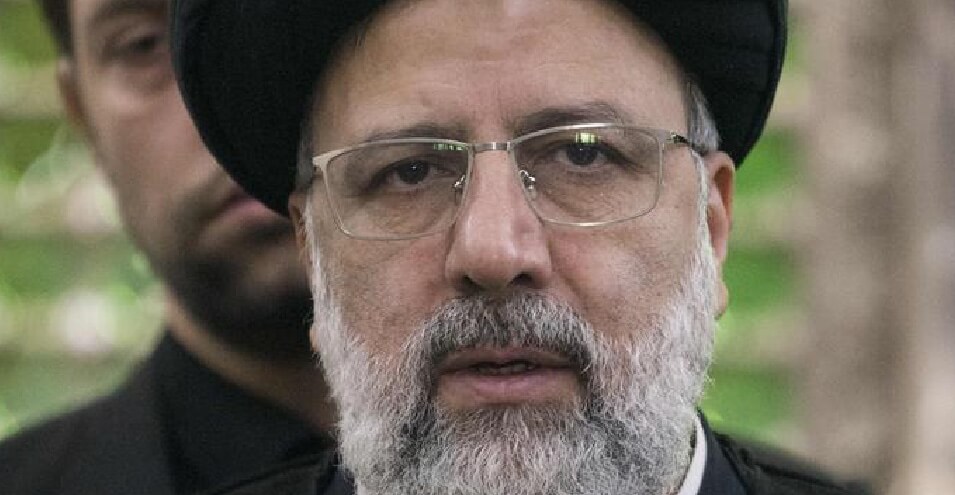
شماری از فعالان مدنی و کنشگران مدافع حقوق بشر ایران خواستار محاکمه ابراهیم رئیسی به اتهام “جنایت علیه بشریت” شدهاند. آنها به نقش رئیسی در “کمیته مرگ” اشاره کرده و جای او را در زندان و نه در کاخ ریاست جمهوری دانستهاند.
فرستنده خبری “فرانس ۲۴” با اتکا به گزارشی که از سوی خبرگزاری فرانسه منتشر شده، به کارنامه ابراهیم رئیسی از زمان پیروزی انقلاب اسلامی تا کنون پرداخته و ارزیابی کنشگران مدنی و مدافعان حقوق بشر ایران را نسبت به این نامزد انتخابات سال ۱۴۰۰ بازتاب داده است.
بر اساس نظرسنجیهای منتشر شده از سوی رسانههای ایران به نظر میرسد که شانس پیروزی ابراهیم رئیسی در انتخابات روز جمعه ۲۸ خرداد (۱۸ ژوئن) بیش از سایر نامزدهای این انتخابات باشد.
در همین رابطه، شماری از مدافعان حقوق بشر با اتکا بر اظهارات نهادهای بینالمللی خواستار محاکمه رئیسی در یک دادگاه مستقل بینالمللی شدهاند.
در گزارش “فرانس ۲۴” آمده است که ابراهیم رئیسی در ریاست قوه قضاییه اقدام به نقض خشن حقوق اساسی مردم کرده و در کشتار زندانیان سیاسی در تابستان ۶۷ نقش فعالی داشته است.
در این گزارش آمده است که ابراهیم رئیسی یکی از چهار عضو “کمیته مرگ” بوده و به فرمان این کمیته هزاران زندانی که مشغول گذراندن حکمشان بودند، در تابستان سال ۶۷ اعدام شدند.
این کنشگران مدنی گفتهاند که پیروزی رئیسی در انتخابات روز جمعه و پس از آنکه حتی رقبای محافظهکار او نیز رد صلاحیت شدهاند، امری بسیار محتمل بوده و از این رو تاکید کردهاند که رئیسی باید از سوی مقامات قضایی جهان به علت جنایاتی که مرتکب شده محاکمه شود و نه اینکه زمام امور ایران را برعهده گیرد.
رئیسی از دیروز تا امروز
در گزارش “فرانس ۲۴” آمده است که صعود سیاسی ابراهیم رئیسی از همان جوانی آغاز شده و او از فردای پیروزی انقلاب اسلامی در موقعیتهای حساس فعالیت کرده است.
ابراهیم رئیسی در سن ۲۰ سالگی و در همان نخستین روزهای پس از شکلگیری حکومت اسلامی به عنوان دادستان کرج منصوب میشود.
پس از آن، رئیسی وظیفه دادستانی همدان را برعهده میگیرد و در سال ۶۴ به عنوان معاون دادستان تهران کار خود را ادامه میدهد.
در این گزارش آمده است که رئیسی در مقام معاونت دادستانی تهران نقشی کلیدی و تعیین کننده در اعدام هزاران زندانی سیاسی وابسته به اپوزیسیون و عمدتا اعضای سازمان مجاهدین خلق ایفا کرده است.
گفته شده که او به عنوان یکی از اعضای “کمیته مرگ” این زندانیان را بدون محاکمه به جوخه اعدام سپرده است.
رئیسی که از او به عنوان جانشین احتمالی آیتالله خامنهای یاد میشود، گرچه نقش خود را در اعدامهای سال ۶۷ انکار میکند، اما از تصمیم اجرای آن اعدامها دفاع کرده است.
پس از اعدامهای تابستان ۶۷، رئیسی به عنوان دادستان تهران انتخاب میشود و در قوه قضاییه نقش مهمتری برعهده میگیرد. در سال ۲۰۰۴ به عنوان معاون رئیس قوه قضاییه انتخاب میشود و حدود ۱۰ سال در این مقام میماند.
رئیسی از سال ۲۰۱۹ ریاست قوه قضاییه را بر عهده دارد. در این گزارش به اظهارات شادی صدر اشاره شده که معتقد است جای رئیسی در حال حاضر بر روی نیمکت محاکمه است و نه کرسی ریاست جمهوری.
شادی صدر مدیر اجرایی سازمان “عدالت برای ایران” است.
به باور شادی صدر این موضوع که رئیسی در مقام ریاست بر قوه قضاییه نامزد پست ریاست جمهوری در ایران شده، حکایتگر معافیت از مجازات برای یکی از عاملان این جنایات هولناک در جمهوری اسلامی ایران است.
پرداختن به اعدامهای تابستان ۶۷ که به فرمان آیتالله خمینی صورت گرفته، همچنان در ایران یک “تابوی” سیاسی است.
گروههای مدافع حقوق بشر و مورخان بر این باورند که در فاصله زمانی تیر تا شهریور سال ۶۷ حدود چهار تا پنج هزار زندانی سیاسی و بهویژه نیروهای وابسته به سازمان مجاهدین خلق اعدام شدهاند.
این در حالی است که شورای ملی مقاومت شمار کشته شدگان تابستان ۶۷ را حدود ۳۰ هزار نفر اعلام کرده است.
تحریم رئیسی از سوی آمریکا
در سال گذشته میلادی، یکی از گزارشگران سازمان ملل با اشاره به اعدامهای سال ۶۷ از مسئولیت حکومت ایران در پرونده “جنایت علیه بشریت” یاد کرده بود.
از سوی دیگر، سازمان عفو بینالملل در گزارش سال ۲۰۱۸ خود رئیسی را به عنوان یکی از اعضای “کمیته مرگ” دانسته و گفته بود که او در اعدام هزاران زندانی در زندانهای اوین و گوهردشت نقش داشته است.
رها بحرینی، یکی از اعضای سازمان عفو بینالملل نیز گفته است که رئیسی باید در ارتباط با “جنایت علیه بشریت” و شکنجه زندانیان محاکمه شود.
بر اساس یک فایل صوتی از آیتالله منتظری که در سال ۲۰۱۶ منتشر شده، منتظری در مرداد سال ۶۷ به اعضای “کمیته مرگ” و از جمله رئیسی گفته است که آنچه در زندانها روی میدهد “بزرگترین جنایت در تاریخ جمهوری اسلامی است.”
حسین عابدینی یکی از اعضای کمیته امور بینالملل شورای ملی مقاومت، رئیسی را “یک قاتل سنگدل” خوانده که “۴۰ سال سرکوب” را در کارنامه خود دارد.
شماری از زندانیانی که از اعدامهای سال ۶۷ جان به در بردهاند، در کنفرانسی که هفته گذشته از سوی شورای ملی مقاومت برگزار شد، گفتند که در هنگام حبس رئیسی را شخصا در “کمیته مرگ” دیدهاند.
به عنوان نمونه رضا شمیرانی که ده سال زندانی بوده و اکنون در سوئیس زندگی میکند، به خبرگزاری فرانسه گفته است که او رئیسی را در لباس سپاه پاسداران در زندان دیده است.
شمیرانی گفته است که رئیسی “فعالترین عضو کمیته مرگ” بوده است. محمود رویایی نیز که در فاصله زمانی بین ۱۹۸۱ تا ۱۹۹۱ (۱۳۶۰ تا ۱۳۷۰) در زندان بوده میگوید رئیسی بیشترین تلاش را برای اعدام افراد از خود نشان میداده است.
رویایی گفته است که ابراهیم رئیسی چیزی به نام رحم و مروت نمیشناسد.
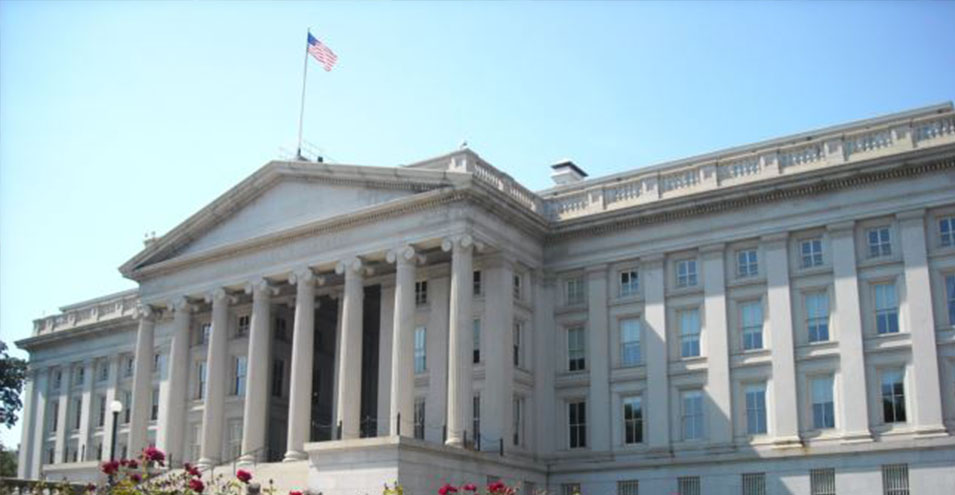
“فرانس ۲۴” به تحریم ابراهیم رئیسی توسط وزارت دارایی آمریکا در نوامبر سال ۲۰۱۹ اشاره کرده و میگوید یکی از دلایل تحریم او از سوی آمریکا نقشی بوده که او در “کمیته مرگ” ایفا کرده است.
رها بحرینی نیز به نقش رئیسی در سرکوب خونین آبان ۹۸ اشاره میکند که باعث مرگ صدها نفر شده است.
هادی قائمی، مدیر اجرایی مرکز حقوق بشر ایران در نیویورک گفته است: «رئیسی یکی از ستونهای نظام جمهوری اسلامی است که منتقدان سیاستهای حکومت را به زندان میافکند، شکنجه میکند و میکشد.»
هادی قائمی گفته است به جای آنکه رئیسی در کارزار انتخابات ریاست جمهوری حضور یابد، باید توسط یک دادگاه بیطرف محاکمه و مجازات شود.
Source: DW