Religious minority leaders in Iran support chastity and hijab laws
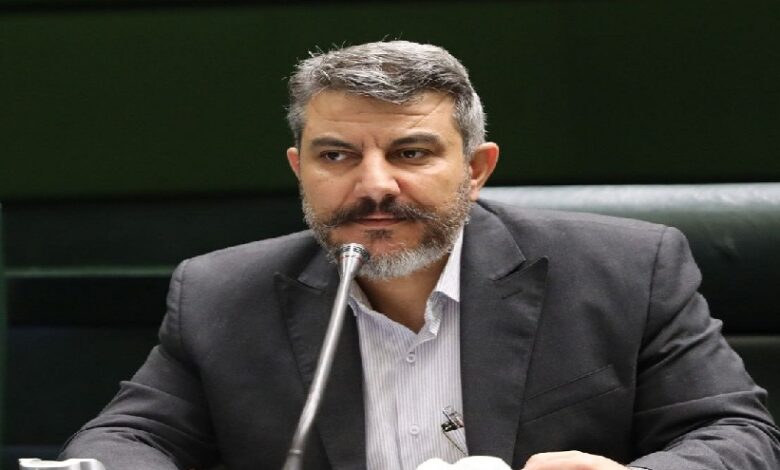
رهبران اقلیتهای مذهبی و نماینده آنها در مجلس، از قانون عفاف و حجاب حمایت کردند.
حمایت رهبران اقلیتهای مذهبی در مجلس از قانون عفاف و حجاب، با واکنشهای گستردهای روبرو شد. اجرای قانون عفاف وحجاب در مجلس شورای اسلامی، مدتهاست که به یک چالش تبدیل شده و حاشیههای بسیاری حول آن وجود داشته است. این حاشیهها به سمت رهبران اقلیتهای مذهبی که نماینده اقلیتها در مجلس شورای اسلامی هستند نیز کشیده شده است.
روز سهشنبه ۱۴ اسفند ماه، نامهای از جانب «امیرحسین بانکیپور» نماینده اصفهان به «محمدباقر قالیباف» رئیس مجلس ارسال شد که در آن خواستار ابلاغ هرچه سریعتر قانون حجاب برای دفاع از کرامت بانوان ایرانی شده بود. ارسال این نامه حاکی از آن است که نمایندگان مجلس عزم خود را جزم کردهاند که این قانون را هرچه سریعتر به تصویب برسانند، قانونی که حق و حقوق و آزادی فردی و اجتماعی در آن نه تنها پایمال شده بلکه زیر سوال رفته است.
اما موضوعی که باعث به وجود آمدن واکنشهای بسیاری شده، امضای «گقارد منصوریان» نماینده مسیحیان ارمنی و «بهشید برخوردار» نماینده زرتشتیان که رهبران اقلیتهای مذهبی هستند نیز در این نامه وجود دارد. بهشید برخوردار طی پیامی اعلام کرده بود که «پوشیدگی، یک حقیقت فرهنگ زرتشتی در ایران است.»
همچنین امضای گقارد منصوریان و تائید قانون عفاف و حجاب توسط وی، در حالیست که بسیاری از ارامنه و دیگر اقلیتهای دینی به دلیل همین اجبارها مجبور به مهاجرت شدند. این قانون برای آنها که باور و فرهنگ خود را دارند، به عنوان یک تحمیل فرهنگی و دینی تلقی و باعث ایجاد احساس ناامنی و نارضایتی در بین آنها شده و چه بسیار ارامنهای که به دلیل همین فشارها مجبور به ترک خاک وطن شدند.
اما سوال اینجاست! قانونی که همواره پس از تائید توسط شورای نگهبان با انتقادات بسیاری از جانب مردم و حتی معتقدان به مبانی اسلامی روبرو بوده، آیا نمایندگان اقلیتها با وجود تضییع حقوق آنها در ایران، به خواست خود از تصویب شدن چنین قانونی حمایت کردهاند و یا تحت تاثیر فشارهای سیاسی و یا منافع شخصی مجبور به تبعیت و حمایت از دولت ایران شدهاند؟
مقامات جمهوری اسلامی پس از ۴۶ سال همچنان به نام دین و شرع، حجاب اجباری را بر زنان ایران و حتی اقلیتهای مذهبی تحمیل میکنند؛ مسئلهای که حتی از دین و مذهب خارج و حالتی امنیتی، سیاسی و اجتماعی پیدا کرده است و این مسئله همچنین به نماد مقاومت مدنی و اجتماعی مردم در ایران برای عبور از نظام جمهوری اسلامی تبدیل شده است.