The Secretary General of the Anti-Narcotics Headquarters called for increasing the prison term for addicts.
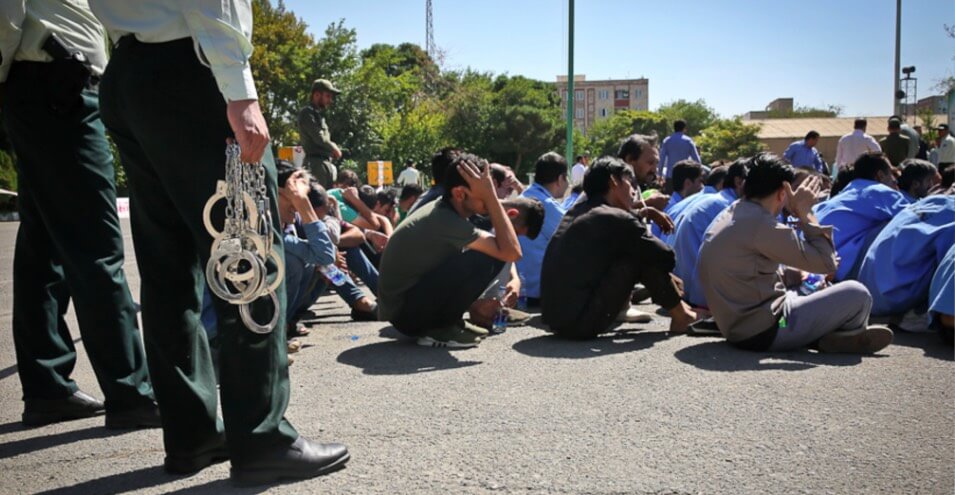
The Secretary-General of Iran's Anti-Narcotics Headquarters has said that the prison sentence for "open addicts" is low and that the prison time for addicts should be increased.
Eskandar Momeni, who emphasized on Sunday, September 6, at a meeting on the fight against drugs, said: "Iran is the only country where open addicts are imprisoned for one to three months."
He did not mention the increase in prison terms for addicts, but said that in countries such as China and Belgium, at least two years have been set aside for this group of addicts.
In recent years, the term "proclaimed addicts" has been used to describe a group of addicts who, despite the availability of the necessary facilities and assistance, are unwilling to quit their addiction.
According to the latest official statistics presented by Mr. Momeni on July 12 of this year, there are between 60,000 and 100,000 drug addicts in Iran, 15,000 of whom live in Tehran.
According to official statistics from Iranian government officials, the total number of addicts in Iran currently exceeds two million and eight hundred thousand people.
The increase in the request for prison sentences for this group of addicts comes at a time when, on June 18 of this year, Asghar Jahangir, advisor to the head of the Judiciary, said that the Iranian Prisons Organization has the capacity to accept between five and six thousand people who are known addicts.
According to current regulations, drug addicts must be held in places other than prisons that are under the supervision of the Welfare Organization and the municipality, but in recent years, numerous problems have arisen in this regard.
In one of the most controversial cases, in April of this year, at the height of the coronavirus outbreak, numerous reports were published about a gathering of addicts in an area south of Tehran.
After this news was widely reported, it became clear that, according to a resolution of the Treatment Committee of the Anti-Corona Headquarters, the "gathering and organizing" of this group of addicts has been postponed until the conditions of the Corona crisis are resolved.
In addition, some Islamic Republic officials cited the closure of Article 16 centers due to concerns about the spread of coronavirus among them as the reason for the significant presence of addicts on the streets.
According to Article 16, one of the amendments to the Anti-Narcotics Law passed in 2000, centers for the detention and “compulsory treatment” of addicts will be established. These centers were initially managed by the Anti-Narcotics Headquarters, but were transferred to welfare centers two years ago. According to reports, the National Anti-Corona Headquarters had ordered the closure of these centers to prevent the spread of the coronavirus.
According to the latest official reports from the judiciary, there are 211,000 people in prison in Iran, 38% of whom have been sentenced for "drug crimes," which are mainly related to the production, purchase, and sale of drugs.
Iranian judicial officials have also repeatedly stated that Iranian prisons are holding more prisoners than their permitted capacity.
In addition to the high density of prisoners, human rights organizations have published numerous reports in recent years about violations of prisoners' rights, arbitrary behavior by interrogators and prison officers, widespread drug trafficking in prison, and increased pressure on political prisoners.
On August 1, Amnesty International also revealed, by publishing some correspondence between the Iranian Prisons Organization and Ministry of Health officials, that the government of the Islamic Republic has not taken any action to send medical equipment and supplies to the country's prisons to contain the coronavirus.
Source: Radio Farda