“The income of one and a half million Iranians is not even enough to buy food”
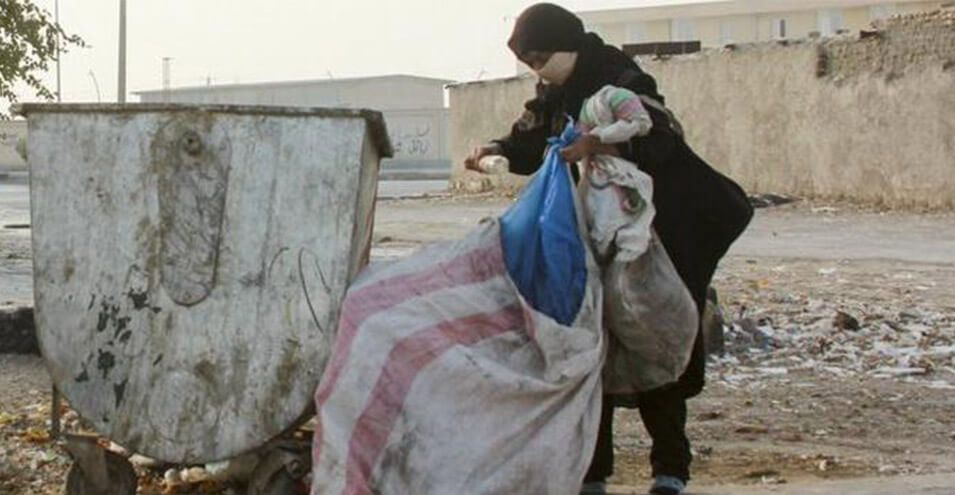
Iran's deputy minister of welfare says that the income of more than 1.5 million people is "not even enough to provide for their nutrition." He adds that 33 percent of Iran's population also cannot afford basic needs such as healthcare and education.
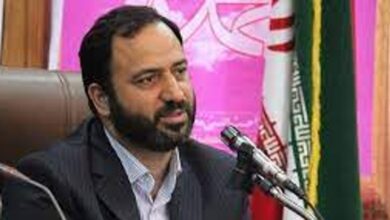
Ahmad Midari, Iran's deputy minister of welfare, has provided new statistics on the level of poverty in the country in an interview with Fars News Agency. He says that international institutions estimate the number of absolute poor people in Iran who cannot even afford to buy food to be 4 percent of the total population, but "we believe this figure is 2 percent."
Referring to one of the indicators for measuring the poverty line, which is the income of individuals, he said that the number of people living in relative poverty who cannot afford the minimum health care, education, and other basic needs is 33%.
Ahmad Midari also emphasized: "In Iran, the absolute poverty line is measured at the provincial level and does not reach the cities. Information on this category should reach the city level and the poverty line of the cities should be extracted and conclusions drawn."
He added: "In some cities, an income of one million tomans per month may be suitable for them because residents have their own homes and do not have expensive incidental expenses such as transportation and entertainment, but in Tehran, even an income of 2.5 million tomans per month is not enough."
Many economic analysts have been warning for years about the growing gap between wealth and poverty in Iran. The best evidence of this claim is the protests of the past few months, especially in January 2017, which were mainly centered on livelihood problems and which many referred to as the “Hunger Uprising.”
Although it was hoped that the nuclear agreement (JCPOA) would bring greater prosperity, in practice this did not happen, and many have pointed the finger of blame at the allocation of a large portion of Iran's oil and non-oil revenues to military affairs abroad or to some religious institutions.
Referring to the government's duty to eliminate or reduce poverty, especially from oil revenues, Ahmad Midari, Iran's deputy minister of welfare, said: "We may disagree on the method of spending oil money to eliminate and reduce the scope of poverty, but there should be no difference of opinion on where resources should be allocated to this category. Let's pay attention to the issue of where and on what the income from oil exports will be spent if it is not spent here."
Referring to the water crisis that has caused severe problems in many parts of the country, he said: "It is the right of Iranian citizens to have access to clean, usable drinking water at reasonable prices. But when the government wants to spend money on this issue, it trembles, but it never hesitates to provide assistance to businesses."
“80% of the society is below the poverty line”
In late 2017, Shahab Naderi, a member of the Islamic Consultative Assembly, referring to the increasing trend of shocking reports about the living conditions of people living below the poverty line, estimated the poverty line, according to experts and contrary to the opinion of the Ministry of Welfare, to be two and a half million tomans per month. He accused the Ministry of Welfare of inefficiency and said, “80 percent of Iranian society lives below the poverty line.” Naderi also pointed to the widespread problem of unemployment and said that this problem brings with it consequences such as security problems and social harm.
These statistics are being announced as Iran is on the verge of new US sanctions. Many experts have stated that with the US withdrawal from the nuclear deal and the return of sanctions, difficult days await Iran, and we should expect widespread poverty and a further fall in the value of the national currency.
Source: DW