Opinion | Protests against the hijab expose internal divisions in Iran
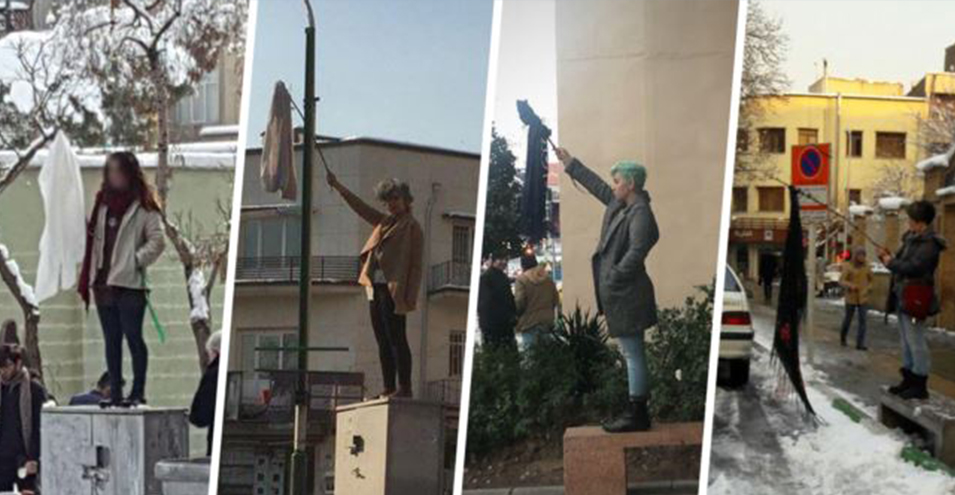
Nasrin Sotoudeh, a human rights lawyer in Tehran, says of women's protest against mandatory hijab: "The message is very clear and distinct; that women want to choose for themselves whether to wear the hijab or not. This is a civil disobedience movement. Women know what the country's law is regarding the hijab, and based on that, they have decided to protest."
Since the protests began, twenty-nine women, including Vida Movahed and Narges Hosseini, have been arrested for removing their hijabs. The charges against Narges Hosseini could carry up to ten years in prison.
Nasrin Sotoudeh, the lawyer for Narges Hosseini, who is imprisoned in Qarchak Prison in Varamin, said: "She opposes compulsory hijab and considers it her right to protest against it." A very high bail has been set for Narges Hosseini, but she is not willing to express remorse.
Mohammad Jafar Montazeri, Iran's Attorney General, initially described the protests as "childish" and "very minor and unnoticeable," saying they were "due to instigation coming from outside the country."
The Attorney General of Iran emphasized that the majority of our women "are either veiled or wear the correct Islamic hijab."
Iranian President Hassan Rouhani this week released a government report prepared three years ago by the Center for Strategic Studies that found that nearly half of Iranians surveyed want the hijab to be optional.
Nasrin Sotoudeh, who herself was sentenced to six years in prison for defending human rights activists, says she believes the president "wants to side with advocates of optional hijab."
Men have also joined in this campaign of women's disobedience. Iranian writer Hossein Vahdani tweeted: "How glorious and meaningful it is that the key to liberating this land from tyranny is in the hands of these young women."
Source: Voice of America