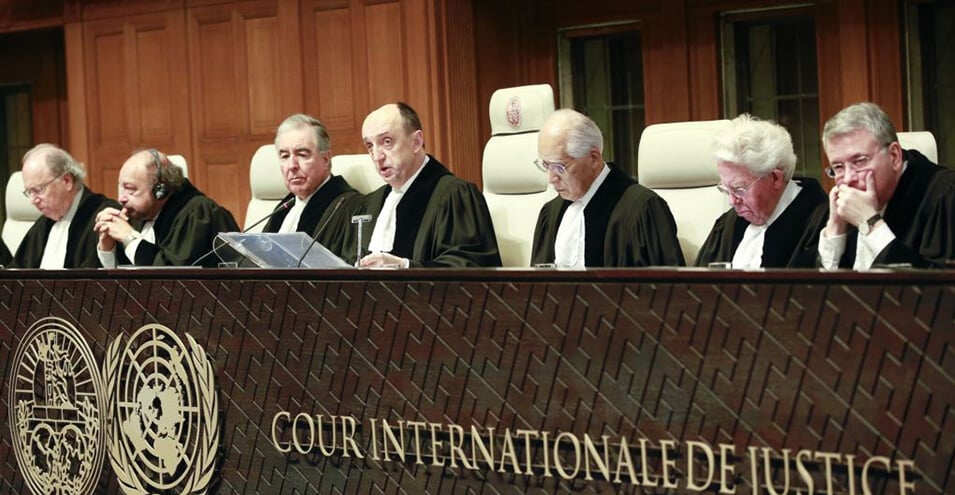
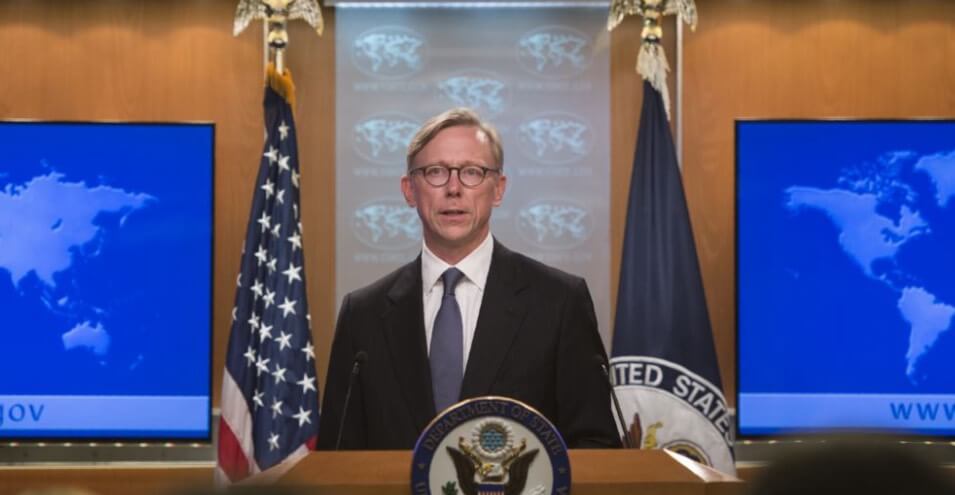
The last session in this phase, on Thursday morning, September 28, was dedicated to the arguments of the American team, in which American lawyers did not consider Iran's action invoking the Treaty of Amity to be "in good faith."
In explaining its argument, the US team cited, among other things, statements made a day earlier by Iran's Deputy Foreign Minister Abbas Araqchi, who said that the complaint process in The Hague would merely lead to "political and psychological pressure on America."
According to ISNA news agency, Abbas Araqchi said on Wednesday that in the long process of reviewing Iran's complaint at the International Court of Justice, "any decision made is not binding from the perspective of international law," but rather, according to him, the pressures resulting from this action "will be effective."
Iran's legal team argued on Monday and Wednesday that the United States had violated the treaty of amity between the two countries by reinstating economic sanctions against Tehran and "pressures aimed at paralyzing the Iranian economy and causing problems for the Iranian people."
However, US lawyers responded to Ayatollah Khamenei's statement that economic problems are rooted in "mismanagement, not sanctions."
Another argument that the US legal team presented at the Thursday morning hearing was that the nuclear agreement known as the Joint Comprehensive Plan of Action (JCPOA) "has its own political mechanism for resolving disputes" and that, therefore, Iran has "abused" the International Court of Justice by taking this matter to The Hague.
At the end of the fourth and final day of Iran's complaint against the United States, the chairman of the session announced that the court's ruling on the complaint would be announced soon, in the next few weeks.
If the International Court of Justice rules on its jurisdiction to hear the case, it could take years to issue a ruling on the complaint.
After the US government withdrew from the JCPOA on May 8, the first round of sanctions against Iran came into effect on August 4, and the next round is scheduled to begin on November 4.
The International Court of Justice, based in The Hague, Netherlands, is the UN's highest court. Although it issues binding judgments, it has no executive power.