Zanganeh: Iran and Saudi Arabia do not need a mediator regarding oil
In response to reports of Iraq's determination to mediate between Iran and Saudi Arabia to increase oil prices, Iran's Oil Minister said that the two countries do not need a mediator.
Mr. Zanganeh has said that Iran and Saudi Arabia can talk directly about oil production, and they have done so.
It was previously reported that Iraq was considering mediating between Iran and Saudi Arabia to increase crude oil prices.
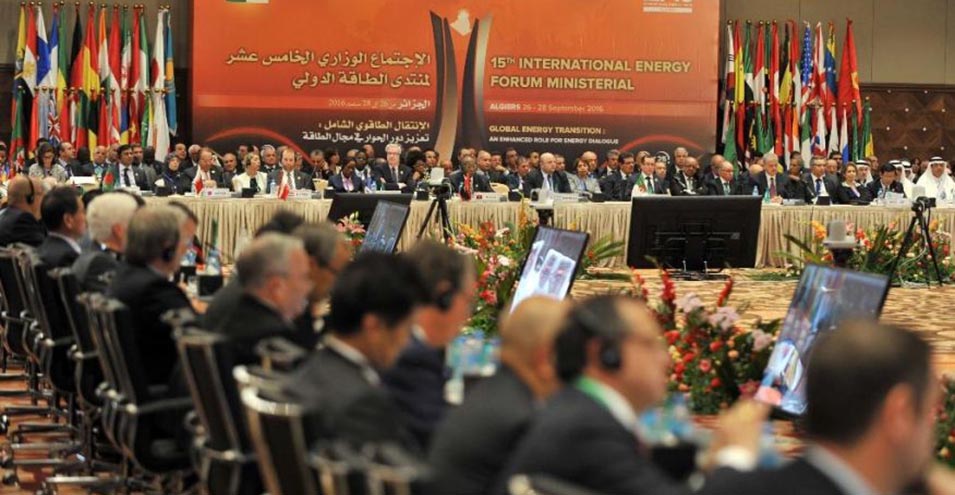
Today, Wednesday, September 28, an informal meeting of OPEC oil ministers will be held in Algiers, the capital of Algeria, and efforts to increase the price of crude oil in global markets will be the main focus of the negotiations.
OPEC ministers have traveled to Algeria to participate in the 15th International Energy Summit, attended by major oil-producing and consuming organizations and countries, and ways to regulate the oil market through production cuts are among the major topics on the summit's agenda.
Last night, a spokesman for Iraq’s oil minister, who traveled to Al Jazeera, said that the country was leading an effort to mediate between Iran and Saudi Arabia and hoped to bring the two sides closer together so that OPEC could take effective action to resolve the current crisis in the world oil market. He said that progress had been made so far, but “there are still obstacles to reaching an agreement between the two sides.”
In recent months, a number of major crude oil exporters have sought to boost crude prices by reducing production and supply to global markets. A number of OPEC members and several non-OPEC countries, notably Russia, have tried to get other major producers to agree to cut production.
At a joint meeting of major OPEC and non-OPEC producers in Doha, Qatar, in April, Saudi Arabia, the largest oil producer in OPEC, agreed to cut its oil production on the condition that the cuts include all member countries, including Iran. Iran, while emphasizing the need to reduce oil production globally, has opposed the cuts.
Officials in the Islamic Republic have said that since Iran was unable to fully use its OPEC quota in recent years due to nuclear sanctions and ceded its market share to others, it should be allowed to return to pre-sanctions production levels and has requested an exemption from the decision to cut production. Saudi Arabia has not accepted this view, and as a result, OPEC has been unable to decide on reducing oil production.
Iranian oil officials have said that the country's oil production is currently at 3.6 million barrels per day and that the increase in production will continue to reach 4 million barrels per day.
Despite statements by Iraqi oil officials about mediation between the two countries, oil markets did not consider an OPEC agreement to reduce production likely, and as a result, the price of crude oil decreased in the early hours of trading on Wednesday compared to the previous day, falling from more than $45 per barrel to below $44.60, although it recovered slightly later.
Saudi officials have argued that excluding one OPEC member would undermine the commitment of other members to cut production, thereby undermining the effort. Iranian officials, on the other hand, insist that other OPEC members understand their position and that Saudi Arabia, which has the largest OPEC oil quota, can make up for the reductions that have been made for Iran by reducing its own production. Given the political climate in the region, it is unlikely that Saudi Arabia would find such assistance to be acceptable to Iran, even if OPEC’s production cuts actually lead to higher oil prices on world markets.
Since the revolution and establishment of the Islamic Republic in Iran, relations between the Shiite cleric-led government in that country and the Wahhabi royal family in Saudi Arabia have been generally cold and sometimes tense. In recent years, relations between the two countries have soured significantly over the Syrian civil war, the political situation in Bahrain, the internal situation in Iraq, and the war in Yemen, leading to the severance of political relations and the suspension of sending Iranian pilgrims to the Hajj.
In Yemen, Saudi Arabia, at the head of a coalition of countries, provides political, financial and military support to the government, while the Islamic Republic backs the Houthis who have seized power. Although Iranian officials have not confirmed military assistance to the group, the Yemeni and Saudi governments accuse Iran of direct involvement in the war.
Iran is also a major backer of Syrian President Bashar al-Assad's government, and although it has only officially confirmed sending military advisers to the country, it is said to provide a significant portion of the Syrian government's financial resources. Saudi Arabia and Bahrain have also accused the Islamic Republic of supporting and aiding the Bahraini government's opponents.
In this way, Saudi Arabia sees Iran's access to higher oil revenues as meaning the Islamic Republic's greater ability to support its regional opponents.
The negative impact of the political dispute between the Iranian and Saudi governments on OPEC decision-making is reminiscent of the 1980s, when internal divisions within the organization and its weakening were among the factors that kept crude oil prices low for nearly two decades. This was a stark contrast to OPEC’s situation in the 1970s, when oil prices rose significantly on world markets. During that period, member countries considered themselves bound by an “unwritten agreement” to refrain from involving the organization in political disputes between member countries, which were also sometimes escalating at that time.
Source: BBC