UN: The number of refugees in the world has reached an unprecedented level
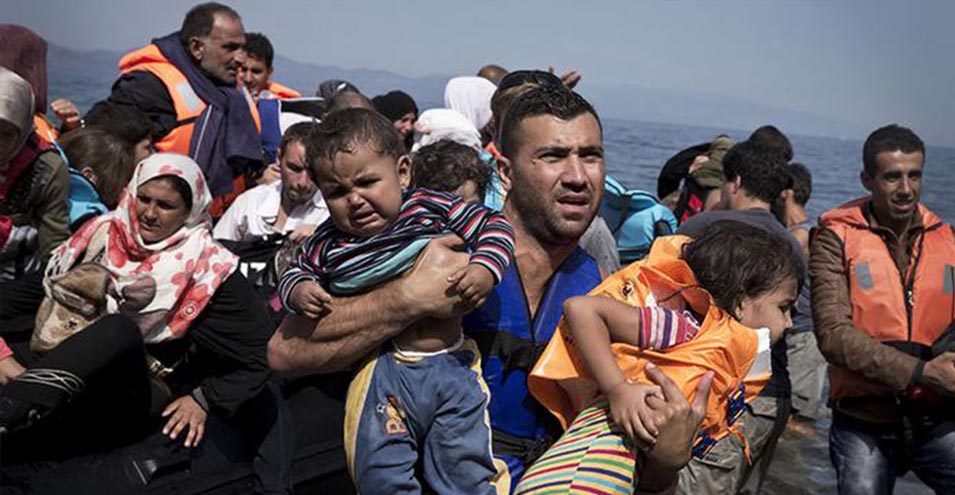
According to a United Nations report, the number of refugees in the world has reached more than 65 million, a figure that has doubled in the past 20 years, due in particular to the increasing and devastating wars and conflicts in various places.
The United Nations High Commissioner for Refugees announced in its latest report on Monday (June 19) that the number of refugees in the world increased by 300,000 people last year compared to 2015, reaching 6.65 million people, a figure that is unprecedented.
Thus, last year, 20 people were forced to flee every minute to save their lives.
The main causes of the increasing displacement in the world are wars and devastating conflicts that are raging in different parts of the world.
According to Filippo Grandi, the UN High Commissioner for Refugees, statistics show that war and conflict, which are the main causes of flight and displacement, have not been resolved.
"We are actually living in a world where peace is impossible," he said in an interview with the news section of German television channel 1. "That's why the situation for refugees will get worse," Grandi added.
According to the UNHCR, the number of refugees in the world has doubled since 1997, that is, over the past 20 years.
22.5 million of the world's current refugees have fled their homes and sought refuge in another country. 40.3 million are internally displaced; 2.8 million have formally applied for asylum in another country.
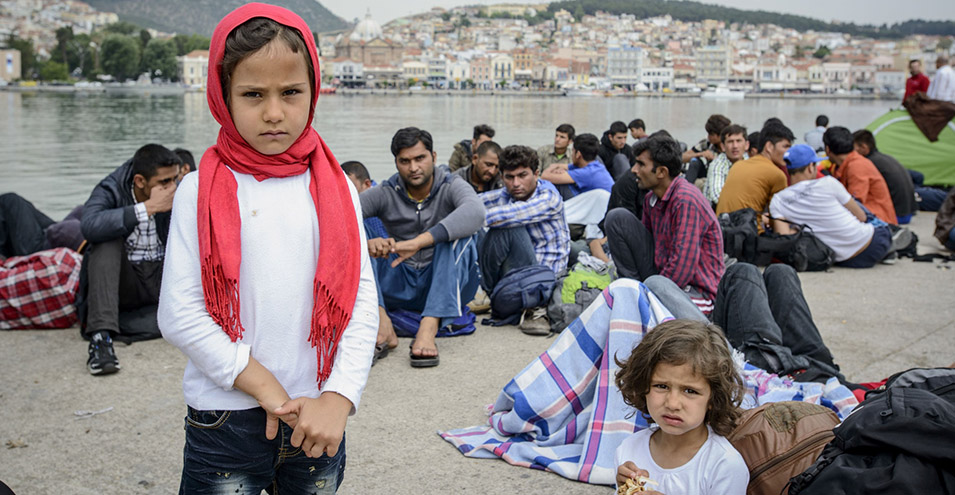
One of the UN's major concerns is the high number of refugees who have not yet reached the legal age and are currently struggling with the problem of displacement alone and without their families. According to the UN High Commissioner for Refugees, more than half of the world's refugees are those who have not yet reached the age of 18.
Syria, the number of refugees
In terms of the number of refugees, three countries also lead the way: Syria, Afghanistan, and South Sudan. More than half of the current refugees in the world come from these three countries.
The United Nations has particularly warned about the current situation in South Sudan, stating that hundreds of thousands of people have been displaced in the country since the beginning of this year alone.
The number of displaced people in South Sudan reached about 740,000 at the end of last year, while their number has now reached 1.87 million.
South Sudan, which has a population of 12 million, gained independence in 2011, but less than two years later, it was engulfed in civil war and ethnic conflict. A report by the United Nations High Commissioner for Refugees (UNHCR) has documented targeted killings of civilians, arbitrary detentions, torture and rape in South Sudan.
Famine and hunger have also exacerbated the situation in South Sudan, leading to an increase in the number of refugees in the country. Most of the South Sudanese refugees have sought refuge in neighboring countries (Uganda, Kenya, and Ethiopia).
The UNHCR report also mentions the total number of refugees. Syria ranks first in this regard. Currently, 12 million Syrians are displaced inside and outside the country, meaning 650 out of every 1,000 people. Colombia is next with 7.7 million and Iraq with 2.4 million displaced.
Refugees and asylum seekers in Europe
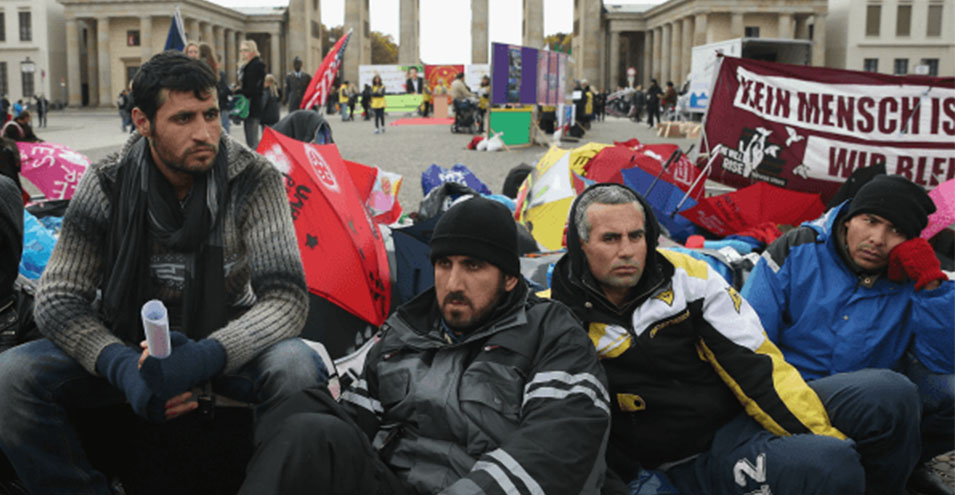
The Syrian crisis and war are among the reasons for the increase in the number of refugees and displaced persons in Europe. Of course, most of them live in Turkey (2.9 million people); 2.3 million are also living in European countries.
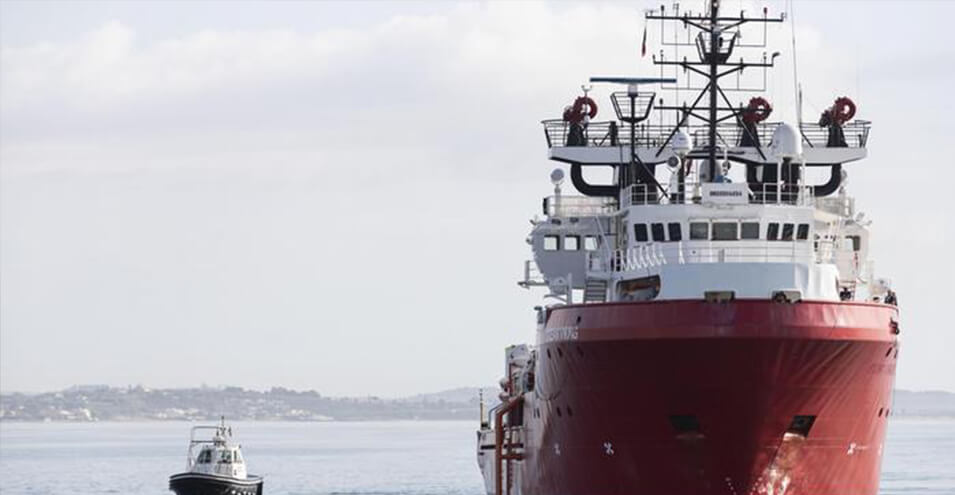
The European Union's plans to better control the waters of the Mediterranean are not enough to prevent the arrival of refugees and asylum seekers, according to Filippo Grandi, the UN High Commissioner for Refugees. He is convinced that more efforts must be made to combat the causes and roots of flight and displacement.
Germany leads the world in terms of the number of new asylum applications. Last year, a total of 2 million asylum applications were officially submitted, of which more than 722,000 were in Germany.
Source: DW