UN: Millions of people die from environmental pollution
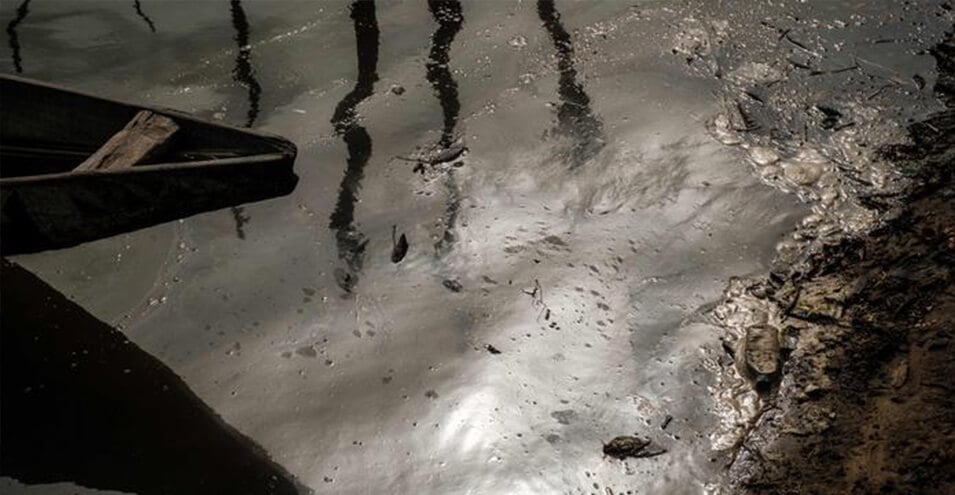
The United Nations has warned that pollution of the air, soil, groundwater and seas is killing millions of people worldwide, citing the results of a comprehensive study, and has urged governments to take serious action to stop the trend.
According to the latest United Nations report, published on Thursday, March 14, the world's pollution has reached a level that is increasingly threatening human health. "Either we succeed in stopping this trend or millions of people in Asia, the Middle East and Africa will die prematurely by the middle of this century," the report says.
The "Sixth United Nations Environment Outlook Report" states: "Environmental pollution was responsible for the deaths of nine million people in 2015." For the past seven years, the United Nations has been issuing a report on the forecast of the state of the Earth's environment, which is prepared using a method similar to the research of experts at the Intergovernmental Panel on Climate Change.
The title of this year's report (GEO-6) is "Healthy Environment, Healthy People"; a title that was chosen very "optimistically" considering the state of the environment in the world, because the report essentially addresses the extent to which a polluted and diseased environment has endangered human health.
The report looks at five main areas: air, biodiversity, drinking water, ozone and soil. The researchers who produced the report say that the first two areas are more polluted than the others. Air pollution and greenhouse gases are currently taking the biggest toll, causing various diseases and the migration of millions of people.
Destruction of animal diversity
Animal diversity has been severely affected, leading to habitat destruction and the extinction of a significant portion of various animals, including insects. The damage is severe, but its direct impact on human life is not yet as apparent as in other cases.
It is reported that from 1970 to 2014, nearly 60% of vertebrates have disappeared. Depending on the habitat, 25 to 42% of invertebrates are at risk of extinction. The reduction in genetic diversity affects and jeopardizes the production of food and the supply of various medicines.
The report says that six to seven million premature deaths worldwide each year are due to air pollution alone. The most dangerous pollution is fine particles suspended in the air from burning wood, coal, oil and other fuels. The report also says that progress has been made in some areas, including reducing the use of some chemicals and tightening air pollution laws. But these advances have been largely offset by worsening conditions in other areas, particularly in developing countries and emerging economies.
The report notes that between 1998 and 2010, the number of national laws in various countries to protect the environment increased almost fivefold. However, greenhouse gas emissions continue to rise despite all efforts to limit them.
Ocean pollution
The report also noted that eight million tons of plastic are released into the oceans each year. The seas and oceans are also exposed to warming, acidification and overfishing. The protein needs of 3.1 billion people in the world are provided by various types of fish. Laws restricting fishing have also not worked in countries where there is no proper monitoring and control in this area.
Drinking water quality has also deteriorated in most areas since 1990, due to the introduction of germs, chemicals, heavy metals or pesticides. One in three people still lacks access to safe drinking water and toilets. 1.4 million people die each year from preventable diseases such as diarrhea and parasitic diseases.
Becoming resistant to antibiotics
In addition, due to the use of various pesticides in agriculture, aquaculture and the entry of these pesticides into wastewater, bacterial resistance to antibiotics has increased sharply. If scientists do not find a solution to this problem, antibiotic-resistant bacteria could lead to the death of many patients with infectious diseases. To prevent this risk, more countries must acquire modern wastewater treatment technology.
The report recommends that the use of antibiotics for human medicine and in agriculture be brought under greater control. According to the report, between 2000 and 2015, nearly 1.5 billion people in the world gained access to safe drinking water for the first time, a major step forward.
It has also been emphasized that politicians must choose a new path for sustainable development, as the world is currently not on track to achieve the UN Sustainable Development Goals.
The GEO-6 report is the most comprehensive UN environmental assessment in seven years. It involves 250 scientists and experts from more than 70 countries. It was released as part of a five-day UN Environment Conference that runs until Friday, March 15, in Nairobi.
Source: DW