UN: 20 million people at risk of famine due to drought in Horn of Africa
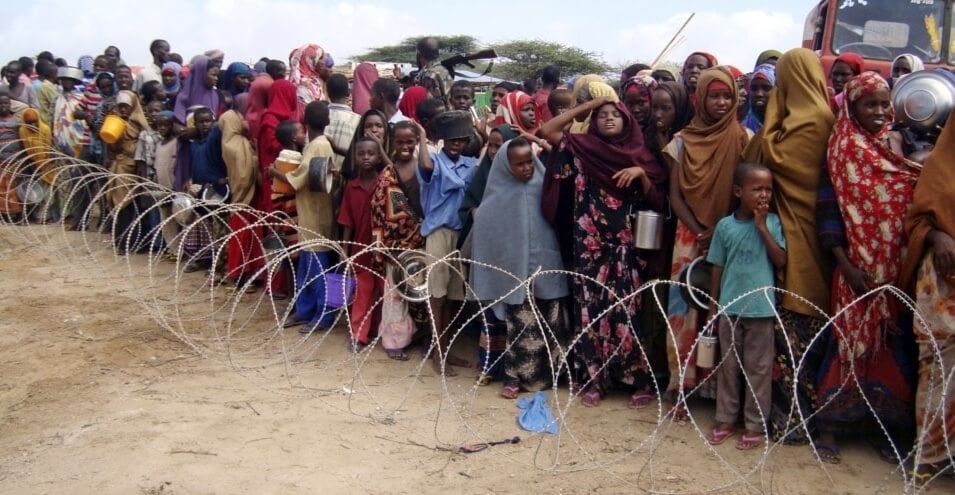
The United Nations warned on Tuesday, April 20, that 20 million people are at risk of famine and hunger due to delayed rains that have exacerbated drought in Kenya, Somalia and Ethiopia.
A months-long drought in the Horn of Africa has destroyed large parts of agricultural fields and livestock, forcing millions of people to flee their homes in search of water and food.
"Due to a one-month delay in rainfall, the number of people at risk of drought during 2022 will increase from the current figure of around 14 million to around 20 million," the World Food Programme said on Tuesday.
The organization added in another part of its statement: "If the current situation continues, about six million or 40 percent of the Somali population will face severe food shortages, and the possibility of famine becomes a serious risk."
In Kenya, about half a million people are on the brink of famine, and residents of the country's north, who rely on livestock for their food supply, are most at risk.
According to the World Food Programme, the population in need of food aid in Kenya has quadrupled in a two-year period.
Malnutrition rates in the south and southeast of Ethiopia, which have been severely affected by drought, have crossed the threshold of a critical situation, and in the northern regions of the country, food production and distribution have been disrupted due to the fighting between government forces and Tigray rebels that began 17 months ago.
The Food and Agriculture Organization of the United Nations says parts of the Horn of Africa have been facing a food crisis for years due to local conflicts, poverty and locust infestations. “We need to act now to prevent a humanitarian crisis,” said the organization’s representative to the African Union.
The World Food Program says that sharply rising fuel and food prices and disruptions in the international movement of goods due to the war in Ukraine have exacerbated the hunger crisis in the Horn of Africa.
The organization warned that the lack of funding would lead to a catastrophe and appealed for $473 million in funding to continue humanitarian assistance in the region over the next six months.
The organization says it has received only four percent of the funding it needs since its previous request for funding in February this year.
At the same time, the Food and Agriculture Organization of the United Nations says it has a 60% budget deficit to provide food for 1.5 million people in three countries in the Horn of Africa.
"Previous experience has shown that rapid action is crucial to prevent humanitarian disasters, but due to a lack of financial resources, we have not been able to take the necessary measures so far," said the head of the organization's East Africa division.
Eastern regions of Africa also suffered from drought in 2017, but humanitarian actions by international organizations prevented famine in Somalia.
But in a similar drought that struck the country in 2011, at least 260,000 people, half of whom were children under the age of six, died of hunger and hunger-related diseases due to a lack of foreign aid.
Experts and UN scientific institutions say that due to global climate change, the occurrence and intensity of devastating weather phenomena such as droughts and floods have increased.
Source: Radio Farda