Repression in Iran under the microscope in Britain; warning from members of the House of Lords and call on Christians to pray
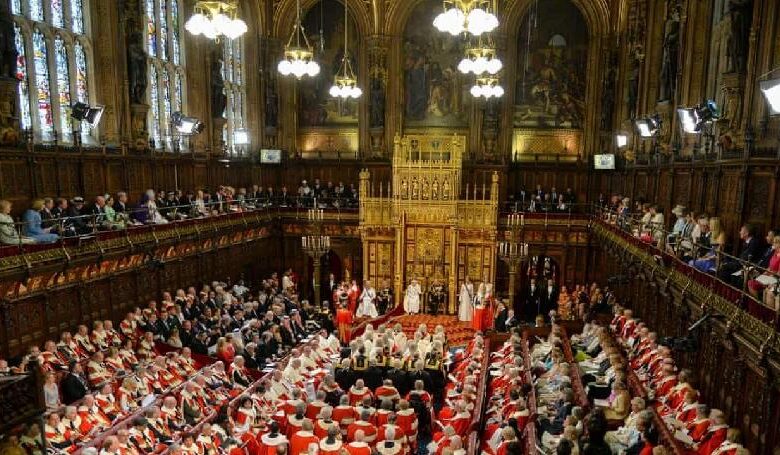
While referring to the call of Christians to pray for Iran, the British representatives once again condemned the bloody repression of protesters, the widespread violations of human rights, and the destructive role of the Iranian regime, and called for international sanctions and accountability.
As Iran continues to be the scene of organized repression of protesters, widespread arrests, executions, and increasing pressure on civil society activists and religious minorities, the issue of repression in Iran has once again become one of the main topics of discussion in British legislative bodies.
Concerns over systematic human rights violations, the role of the Revolutionary Guard Corps in perpetrating violence, and the regional consequences of the Islamic Republic's policies have placed the country in the spotlight of political and human rights circles.
In this regard, members of the British House of Lords, during an urgent question session on Iran held on Thursday, February 5, explicitly warned against the continuation of repression and the future of the Iranian people.
Describing the Islamic Republic as a repressive regime, Lord Callanan stressed: “Although the British government’s focus is on domestic issues, we must also closely monitor the future of the Tehran regime.” Referring to nuclear threats and the export of terrorism, he added: “The people of Iran will have no future if the mullahs remain in power.”
Lord Purvis also referred to the heavy price paid by Iranian protesters, saying, "We must humbly remember the sacrifices of those in Iran who have paid a heavy price to achieve the simple desire of having the government they desire." While welcoming the new sanctions, he emphasized that the current sanctions have loopholes because they focus on individuals, adding that if the Revolutionary Guard is sanctioned, the network of supporters of this repressive institution will also be effectively eliminated.
Continuing the meeting, Lord Alton, referring to the widespread crimes and systematic repression, called on the British government to take continuous action, in cooperation with like-minded countries, to hold the perpetrators of these crimes and massacres accountable. He also called for an investigation into the evidence of harassment of BBC Persian journalists, independent journalists and pro-democracy activists.
Lord Cryer also criticized the ambiguity in British government policy and asked whether a decision to declare the Revolutionary Guards a terrorist organization was really about to be implemented.
In this same political and human rights climate, British MP Tim Farron, in an article published on a Christian news website, addressed the Iranian crisis from a faith and moral perspective and emphasized the responsibility of Christians in the face of this human suffering. He writes: “As Christians witness this unfolding tragedy, we are not called to react with horror or indifference, but rather to humbly trust in God and pray for the people of Iran.”
Asking how Christians should participate in such circumstances, Farron points to the Gospel of Matthew, chapter 9, and recalls that Jesus had compassion on the crowds: “Because they were harassed and helpless, like sheep without a shepherd.”
He goes on to describe the situation of the Iranian people as follows, emphasizing that: "They are undoubtedly being persecuted; they are anxious and distraught, they are looking for something better, and for this reason they are being subjected to violent oppression."
Referring to the Greek concept of "persecuted," which means a scattered and disunited people, Faron urges Christians to understand the plight of the people of Iran, care about them, and pray for them.
The MP also points to Jesus' compassion, writing: "He was eager to confront evil; this compassion led him to the cross and, when he rose from the grave, ascended to the right hand of the Father, where he now intercedes for us day and night."
Recalling the words of the prophet Micah, Pharaoh refers Christians to this biblical call: “To do justice, to love mercy, and to walk humbly with your God” (Micah 6:8).
At the end of the article, considering the crises in the Middle East and the ongoing repression in Iran, he urges Christians not to be indifferent to this issue, not to succumb to anger-induced fatigue, and not to panic and close their eyes when faced with the challenges of the Middle East.
And finally, he emphasizes: "We must pay attention to these issues and pray."