Whitewashing the Massacre, When Western Media Becomes Complicit in Suppression
Whitewashing the massacre in Iran by repeating the government's narrative has made a serious accusation against the Western media that they have become complicit in the suppression of the people in Iran.
As Iran once again witnesses a bloody crackdown, mass arrests, and killings of protesters, the role of Western media in reproducing the Islamic Republic’s official narrative has come under increasing and serious criticism. Critics say that what is being broadcast from Iran today in the name of “news” is, in many cases, not independent journalism but a controlled reflection of a staged reality.
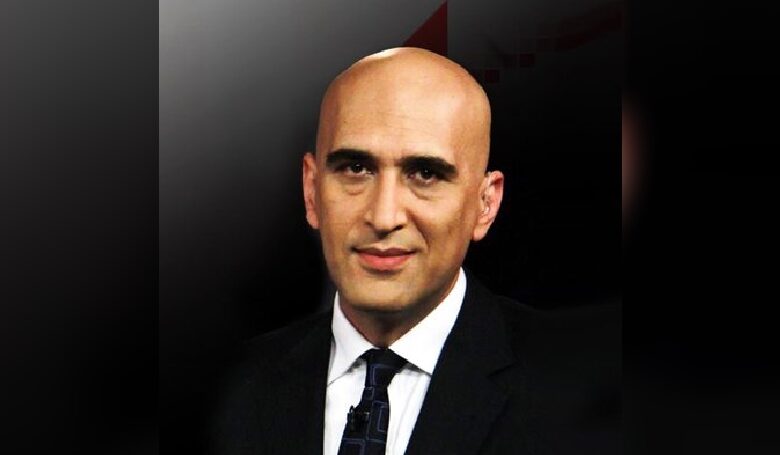
In this context, Mehdi Parpanchi, a veteran journalist and former head of Radio Farda, who is now the news director of Iran International, has published a frank and revealing text on his X page, attacking the double standards of Western media, writing: "For Western media, the casualty figures published by Hamas are considered an undeniable fact and are immediately quoted, but when Khamenei's security forces massacre thousands of people in Iran in just three days, Western media remain silent."
Instead, they cautiously repeat figures like “65 dead,” carefully avoiding anything that might jeopardize their access. Many Western journalists are now actively seeking visas and know exactly where the red lines are.
Within a few days or weeks, the slaughterhouse will be cleaned and ready for you to visit. You will be taken through a real staging and introduced to handpicked families who will tell you that their Basij son was killed by rioters, or that their daughter was killed by rioters on her way home from school!
You will report the Islamic Republic narrative and publish it as news. Have a safe journey. Now CNN is in Tehran broadcasting a staged reality and repeating the Islamic State narrative.
They started it, others will follow. This is not journalism, this is whitewashing a massacre.
"Iran will remember this."
These statements reflect the anger and frustration of a section of civil society and independent observers who believe that major Western media outlets, rather than standing with the victims, have preferred to maintain their access to Iran, even if the price is ignoring the truth.
Critics say that after each wave of repression, the Iranian government creates a "broadcastable" image for international media by cleaning up scenes, controlling narratives, and managing foreign journalists; an image that speaks neither of blood and prisons, nor of families who are still not even allowed to mourn.
Many believe that when the government's narrative is published without independent questioning and investigation, the media is no longer a watchdog of power, but rather part of its laundering machine. As Parpanchi has warned, this silent accompaniment of repression will remain in the historical memory of the Iranian people.