US Ambassador to Germany: Biden must continue pressure on Iran
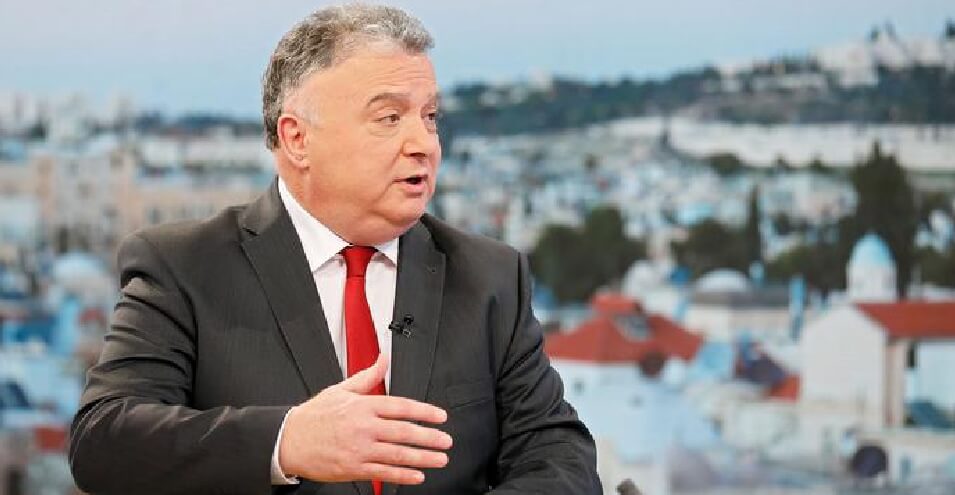
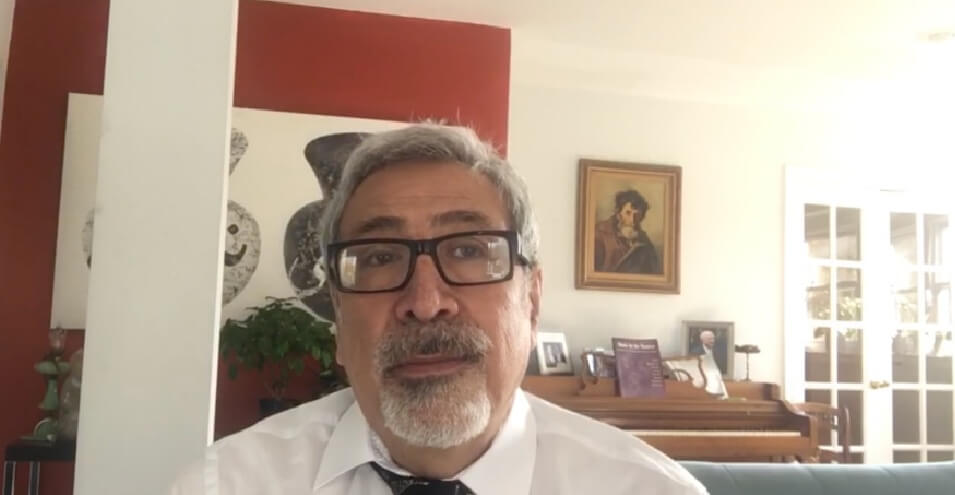
The US ambassador to Berlin urged US President-elect Joe Biden to maintain maximum pressure on Iran and to strive for a nuclear agreement that also includes the country's regional behavior and missile program.
The US ambassador to Germany has called for continued pressure on Iran ahead of the inauguration of US President-elect Joe Biden.
In an interview with AFP, Jeremy Issacharoff expressed hope that "maximum pressure" on Iran will continue to be maintained by the signatories to the Iran nuclear deal (JCPOA).
Issacharov said Iran is trying to portray itself as a “victim,” but those who suffer from Iran’s aggressive policy are “Israel and many other countries in the region.” He advised the JCPOA parties to keep this in mind in their negotiations with Iran.
In 2015, when the Iran nuclear deal was signed with veto-wielding countries in the United Nations Security Council, as well as Germany, Israel rejected the agreement and emphasized that Iran should not acquire the ability to build a nuclear bomb.
The United States unilaterally withdrew from the deal in 2018 under President Donald Trump and reimposed sanctions on Iran. These sanctions have since been expanded. Tehran has also gradually reduced its commitments under the deal, including increasing the volume and percentage of uranium enrichment.
US President-elect Joe Biden said in an interview that he is trying to get talks underway on another deal that would “tighten and extend” Iran’s nuclear restrictions. These talks, he said, should also include Iran’s missile program.
His approach also has the support of German Foreign Minister Heiko Maas.
Jeremy Issacharoff, the US ambassador to Berlin, welcomed the strategy, saying a nuclear deal that included Iran's missile program "would definitely be on the right track."
He ruled out returning to the agreement reached in 2015, emphasizing: "We cannot simply turn back time to 2015."
According to Issacharov, since then, Iran has developed and tested new missiles and played a "destabilizing" role in many countries.
He stressed that new negotiations should include these issues, as well as Iran's "many violations" of the JCPOA.
Source: DW