Russian Ambassador to Iranian Media: Use the Term "Russian Special Military Operations" in Ukraine
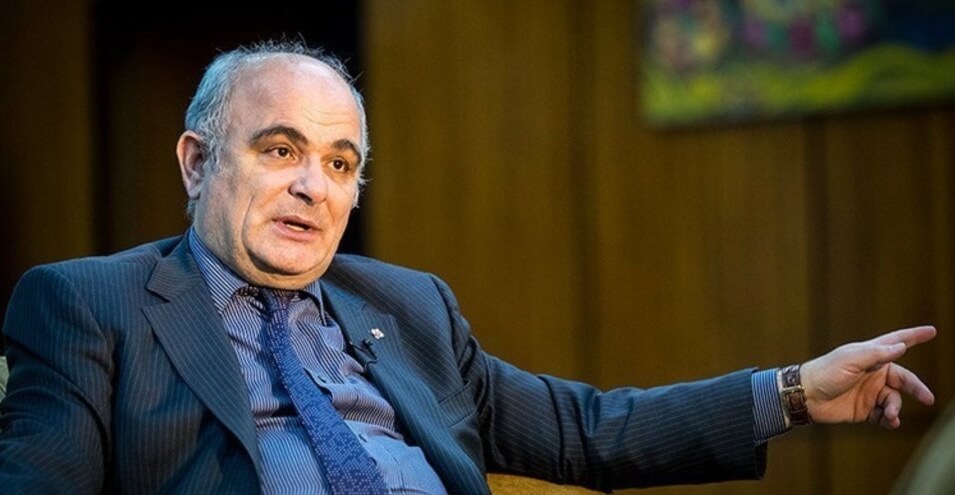
سفیر روسیه در ایران از رسانههای داخل ایران خواست که از کاربرد عبارت «تهاجم نظامی» روسیه در موضوع اوکراین خودداری کنند و در عوض، لفظ «عملیات ویژه نظامی» روسیه را به کار ببرند.
لوان جاگاریان روز چهارشنبه ۱۸ اسفند در یک نشست خبری محدود، در پاسخ به این پرسش که تهاجم نظامی مسکو تا چه زمان ادامه خواهد داشت، گفت: «ما تا رسیدن به اهدافمان در اوکراین، این عملیات را ادامه میدهیم».
در روزهای اخیر علاوه بر تهاجم نظامی روسیه به اوکراین که مخالفتهای گسترده در شبکههای اجتماعی، تجمع مقابل سفارت اوکراین در تهران و شعار «مرگ بر پوتین و حامیان پوتین» را به دنبال داشته، نوع برخورد روسیه با مذاکرات برجام نیز با انتقادهای تندی مواجه شده است.
سفیر روسیه در ایران ضمن رد اتهامها در مورد تلاش مسکو برای نابودی مذاکرات احیای برجام تصریح کرد: «ما میخواهیم برجام به نتیجه برسد اما منافع خودمان هم برایمان مهم است».
آقای جاگاریان با بیان اینکه روسیه در توافق هستهای سال ۱۳۹۴ موسوم به برجام «نقش قابل توجهی» داشت، قدرتهای غربی را متهم کرد که در پی ایجاد شکاف و تفرقهافکنی بین تهران و مسکو هستند.
او در پاسخ به این پرسش که چرا مقامهای ایرانی از درخواست روسیه برای دریافت ضمانت کتبی از آمریکا مطلع نبودند گفت: «راجع به این موضوع با همتایان ایرانی در تماس هستیم اما نمیتوانم جزئیات را بگویم و تنها مقامهای عالیرتبه در تهران و مذاکرهکنندگان در وین در جریان هستند».
فرانسه درخواست اخیر روسیه در مورد برجام را «باجگیری» از مذاکرات برجام خوانده و آمریکا نیز گفته است که درخواست روسها «بیربط» است.
وزیر خارجه روسیه روز ۱۴ اسفند گفته بود آمریکا باید ضمانت کتبی دهد که تحریمهای جدید اعمال شده علیه مسکو بهدلیل تهاجم این کشور به اوکراین، پس از احیای برجام بر روابط تجاری ایران و روسیه اثر منفی نخواهد داشت.
او گفت: «ما ضمانت میخواهیم که این تحریمها [ی اوکراین] به هیچ شکل بر مناسبات اقتصادی و تجاری ما [با ایران] که ذیل برجام قید شده است اثر نگذارد».
در همین زمینه، لوان جاگاریان در واکنش به اخبار منتشر شده درباره درخواست تضمین روسیه برای برجام، گفته بود: «از مردم ایران میخواهیم که به اظهارات رادیوهای بیگانه مانند رادیو فردا گوش ندهند».
انتقاد سفیر روسیه در ایران از رادیو فردا سابقهدار است. خرداد سال گذشته، لوان جاگاریان در واکنش به انتشار چند یادداشت تحلیلی در رادیو فردا، این رسانه را متهم کرد که «تلاش میکند به رابطه دوستانه ایران و روسیه لطمه وارد کند».
در پی تهاجم روسیه به خاک اوکراین در بیش از یک هفته گذشته سیل تحریمها به سوی مسکو سرازیر شده، تا آنجا که بر اساس آمارها، این گستردهترین رژیم تحریمی تاریخ است که تاکنون علیه یک کشور استفاده شده است.
این تحریمها طی ۱۰ روز گذشته به شدت باعث کاهش ارزش پول ملی روسیه، روبل، شده و بسیاری از شرکتهای خارجی از بازار این کشور خارج شدهاند.
سفیر روسیه در تهران در توجیه تهاجم نظامی مسکو به خاک اوکراین، آمریکا را متهم کرد که از سالها پیش در اوکراین سلاحهای شیمیایی تولید میکند.
او مدعی شد که مسکو به زودی جزئیات این موضوع را فاش خواهد کرد.
Source: Radio Farda