The intensity of the repression and killing of the Iranian people during the few days of the November 2019 protests was unprecedented in the past eighty years.

The unprecedented dimensions of the repression of the popular protests of November 2019 in Iran continue to affect the lives of many citizens two years later.
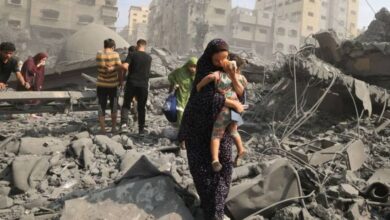
In contrast, the perpetrators of this violent and brutal repression continue to enjoy absolute judicial immunity and are evading any response to the many unanswered questions about the popular protests of November 2019. The popular protests that began after the announcement of a sudden increase in energy prices in Iran and quickly spread to more than 200 cities in Iran, resulted in a violent and brutal response by the government’s security and military forces, which led to the killing and unprecedented repression of protesters in Iran. On the other hand, the government’s decision to cut off the country’s internet network for several days was not only another form of repression against citizens, but also led to the repression of protesters on the streets of many cities in the country becoming more violent and brutal, blocking information channels, and making it difficult and impossible to follow up on the situation of the victims. Two years after the bloody November 2019 in Iran, many families of the victims and some of the injured and detained are still facing severe security and judicial pressures and, in a sense, are caught up in the ongoing acts of repression and violence.
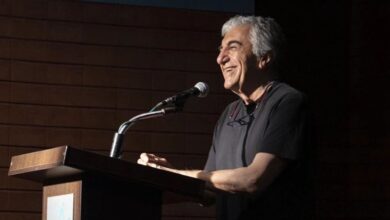
Hadi Ghaemi, director of the Human Rights Campaign in Iran, pointed out that the unprecedented repression carried out in November 2019 is a stain on the history of the Islamic Republic, saying: "The intensity of the repression and killing of people during the few days of the November 2019 protests was unprecedented in Iran and in the past eighty years of popular protests, and we can see the continuation of violence and repression in the government's treatment of the families of the victims as well as those who were injured in the November 2019 protests."
Ghaemi added: "The severe security and judicial clashes with the families of the deceased, injured, and detained are clear evidence of the fear of the authorities of the Islamic Republic of Iran of transparency and seeking justice from the families of the deceased and injured in the November 2019 crackdown."
On the eve of the second anniversary of the popular protests of November 2019, the Human Rights Campaign in Iran, while emphasizing the need for transparency about the dimensions of this bloody repression, calls for the trial of all those who played a role in this repression in any way. The Human Rights Campaign in Iran calls on the international community to be the voice of the families of the deceased, injured, and detained in November 2019, so that the dimensions of this unprecedented repression become clearer than ever. This issue is even more important and urgent because many of the citizens protesting in November 2019 were from poor and low-income groups in society, and the consequences of the harm caused by the government’s repression in their lives are many.
Although the Islamic Republic's authorities claimed that the number of people killed in the November protests was 230, according to a Reuters report, more than 1,500 people were killed in the November 2019 protests. Amnesty International also announced the number of people killed in the November 2019 protests at 304. This is while the harm inflicted on Iranian citizens as a result of the government's violent and brutal repression can also be examined in other ways.
In general, it can be said that the losses suffered by Iranian citizens as a result of the suppression of the November 2019 protests can be defined in three parts: first, the casualties. second, the detainees. third, the injured and the injured.
In fact, it can be said that the repression of November 2019 is still ongoing for many families and individuals in one of the three cases mentioned (those killed, those arrested, and those injured). The continuation of the repression, or rather the covert repression, for the families of the victims has become more evident with the restrictions and strictness of security and government officials in the past two years to hold mourning ceremonies or in some cases, with the arrest of relatives of the victims.
This covert repression of the second group, the detainees of November 2019, is more evident than anywhere else in the trial process of many detained protesters. In some cases, it has led to the issuance of unjust and severe sentences, such as the issuance of death sentences. The lack of access to lawyers for many detainees, as well as the increasing strictness of the independent lawyers who have defended them in the cases of the detainees, is another aspect of the continuation of the repression of November 2019.
For the third group, namely those injured in the November 2019 protests, the continuation of repression or hidden repression can be examined from several aspects; apart from some irreparable damages (such as limb amputation) inflicted on citizens as a result of the repression by security forces, the heavy medical costs for a large group of those injured in the November 2019 protests, who were from the weaker sections of society, are another form of continued repression and the consequences of injuries sustained during the protests.
Losing jobs and the inability to enter the social environment, which effectively locks many of them at home, is another result of the hidden repression against the victims of the popular protests of November 2019.
After two years of popular protests in November 2019, and despite the government's increasingly aggressive actions against those seeking justice in Iran, the voices of the families of those killed in November 2019 and those injured are growing louder every day. The government's insistence on continuing to suppress this demand shows that November 2019 is not over for the government, nor for the protesters and families of the victims.
Referring to the heavier costs of the advocacy movement compared to other historical periods in Iran, Hadi Ghaemi said: "The international community should pay attention to the fact that the government's repression against many citizens related to the November 2019 protests is still being implemented in various forms and methods, and its leaders and perpetrators are doing their work freely and without any fear of prosecution and trial."
Source: Iran Human Rights Campaign