The number of daily coronavirus victims in Iran increased 12-fold in a month
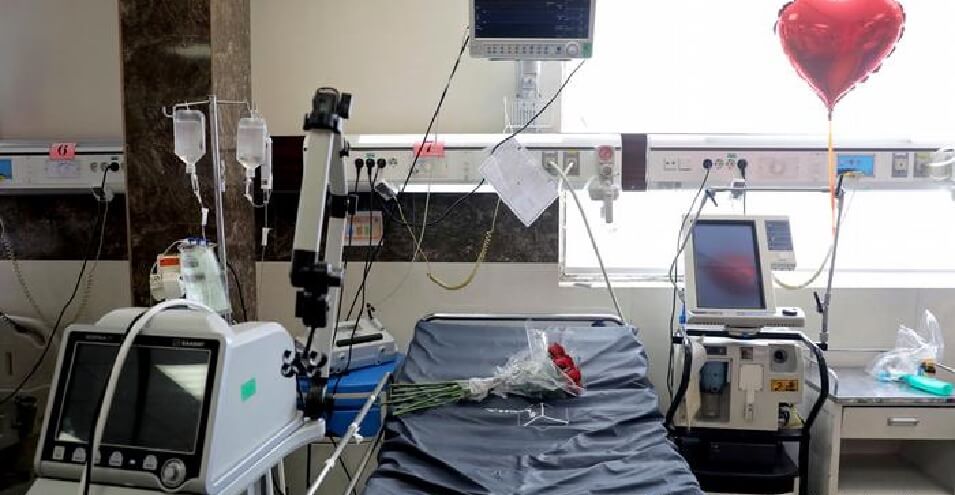
With 242 COVID-19 patients dying in a single day, the official death toll from the coronavirus in Iran has surpassed 150,000. Over the past month, the number of deaths among COVID-19 patients in Iran has been steadily increasing.
The Public Relations and Information Center of the Ministry of Health announced on Sunday, March 2, that nearly 17,000 new cases of coronavirus infection have been identified in Iran in the past 24 hours.
New cases are about 2,000 fewer than yesterday and nearly 9,000 fewer than the previous Sunday. Among all the coronavirus indicators in Iran, only cases have started to decline again after peaking in February.
In the past 24 hours, the number of newly identified patients who have been hospitalized was 2,315, and the number of people hospitalized in the intensive care unit exceeded 4,000 for the second consecutive day. The number of patients in this unit had exceeded 4,000 before November 27.
A 12-fold jump in the number of victims in one month
Over the past month, the most visible manifestation of the pandemic's spread has been the sharp increase in deaths. On February 1, the number of victims was 20, and on March 1, this number increased more than 12-fold to 242.
In recent weeks, the Omicron strain of the coronavirus, which is much more contagious than previous strains, has become dominant in Iran, and its impact is evident in the changing color scheme of cities and the sharp increase in cities in the red (very high risk) status.
Yesterday, the Deputy Director of Research at the Ministry of Health announced that 337 cities in Iran are currently in red status, 64 cities in orange status (high risk), and 47 cities in yellow status.
Three-quarters of cities in red
Thus, out of about 450 cities in Iran, 401 are in a very high-risk or high-risk coronavirus situation, and no city is in a blue (low-risk) situation. About three-quarters of all cities have been declared red.
On February 25, more than 400 cities in Iran were in a coronavirus blue state. This situation has changed dramatically in recent weeks, and the number of red cities more than doubled last Saturday compared to a week ago, and now 90 more cities are in such a state.
In Iran, the criterion for color-coding cities is the number of hospitalized COVID-19 patients per 100,000 population. Many experts believe that if this were done based on outpatient visits and the number of positive tests, and if capacity were increased, it would provide a more accurate and realistic picture of the pandemic situation.
According to statistics from the Ministry of Health, about 80,000 tests for COVID-19 have been conducted throughout Iran in the past 24 hours.
Lack of testing, slowing vaccination
The number of tests in recent days has been more or less the same, which is very small for a country with a population of 85 million.
Another issue that makes Iranian society more vulnerable to the sixth wave of the pandemic is the slowdown in vaccination. This is especially evident in the decline in referrals for the second dose of the vaccine.
Official statistics from the Ministry of Health show that about seven million people in Iran have received only one dose of the vaccine, and many of them are either unwilling or delaying receiving the second dose.
In the 24 hours ending on March 1, a little over 319,000 doses of vaccine were administered across Iran, of which only about 58,000 were the second dose.
The majority of vaccinations administered in the past 24 hours were booster doses and those who were already fully vaccinated. This figure reflects a decline in uptake among the unvaccinated and a portion of those who have only received one dose of vaccine.
So far, 55 million 43 thousand people in Iran have received two doses of the vaccine, of which 22 million 214 thousand have been vaccinated for the third time.
Source: DW