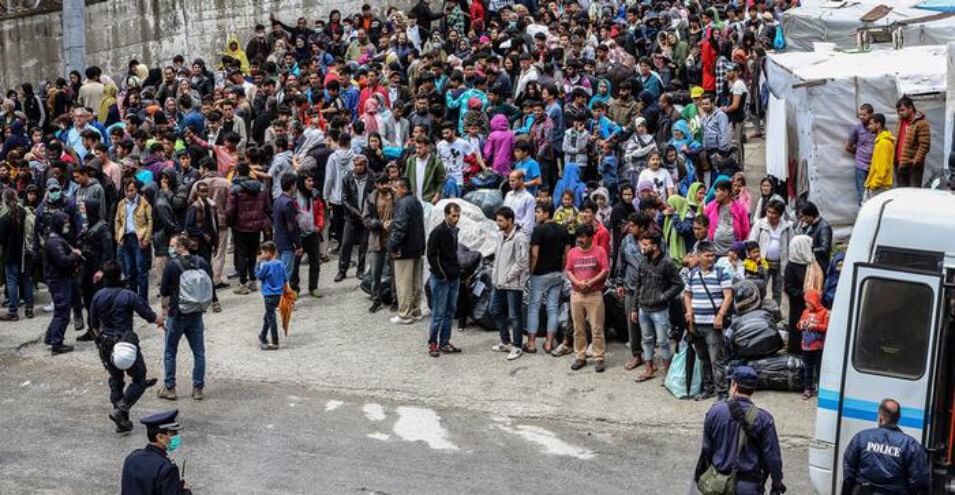
Under what conditions can citizens of Iran and five other countries travel to the United States?
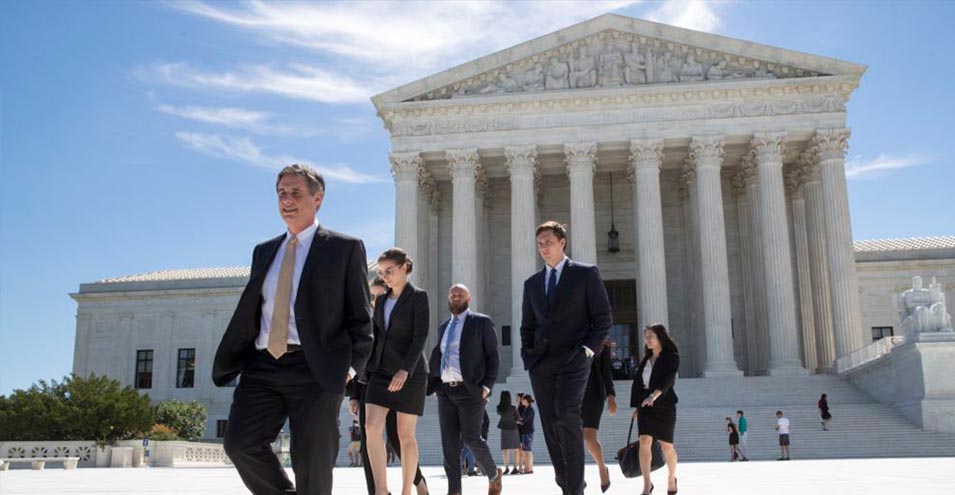
The Supreme Court's decision to enforce parts of Donald Trump's executive order has raised many unanswered questions about visa issuance and travel to the United States for citizens of six specific countries, and is likely to spark more lawsuits in the US judiciary, according to the Associated Press.
The US Supreme Court justices said on Monday they will fully consider the case next October, when the government can bar citizens from six predominantly Muslim countries from entering the United States unless they can prove they have a bona fide relationship with a person or entity in the US.
It is unclear what ultimately constitutes a “genuine relationship” for people seeking entry into the United States, although judges have said a job offer, college acceptance, or close family could be evidence of such a relationship. The Associated Press also says the exact number of foreigners from Iran, Syria, Yemen, Libya, Sudan and Somalia affected by the law is unclear.
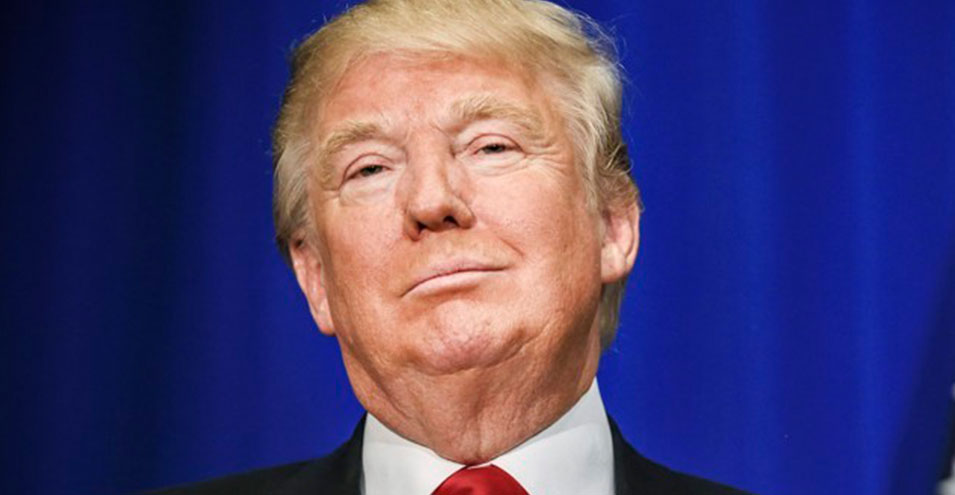
The Supreme Court's Monday ruling on Donald Trump's immigration executive order is a relative victory for the US president in the biggest legal dispute since the start of his presidency.
Mr. Trump says the temporary ban on entry of nationals of the six countries is to prevent terrorists from entering the United States.
Opponents say the order is a way to block Muslims from entering the United States, as Donald Trump's campaign promised.
Source: Voice of America