The outbreak of coronavirus in Iranian prisons and the problems of prisoners and their families; the Islamic Republic has not released political prisoners of conscience
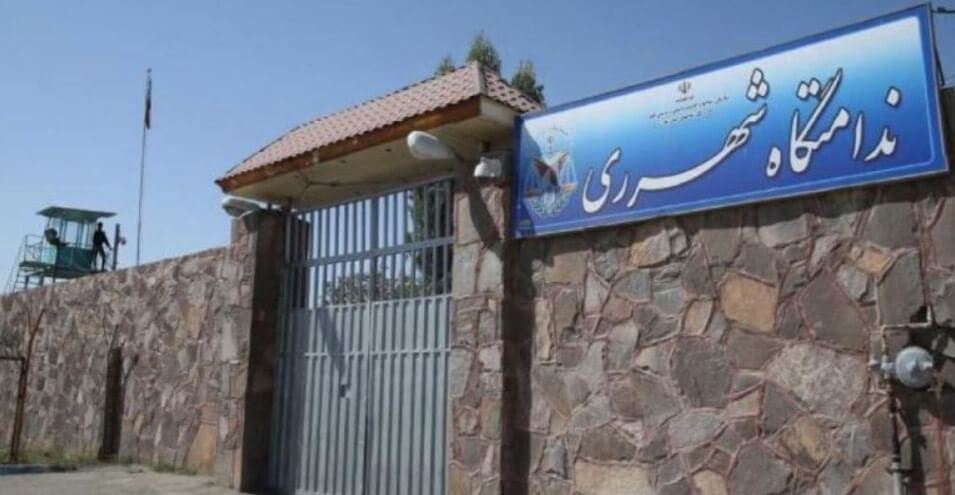
A large number of prisoners in various Iranian prisons, including political and conscientious prisoners whose sentences are more than 5 years, are still being held in Iranian prisons and, despite the spread of the coronavirus in Iranian prisons and the infection of some prisoners with the coronavirus, they do not have the right to short-term leave or conditional release.
Behfar Laleh Zari, a political activist and former political prisoner, spoke to Voice of America on Wednesday, April 17, referring to the problems faced by prisoners due to the spread of the coronavirus in Iranian prisons. He said that the lack or shortage of health and medical products, overcrowding in Iranian prisons, lack of medicine, and food rations that are mostly unusable are among the problems inside the prison that have been with prisoners in the past, and currently, due to the widespread spread of the coronavirus in Iranian prisons, these problems have multiplied several times.
But on the other side of the prison walls, there are twofold problems for the families of prisoners. On the one hand, the families are concerned about the health of the prisoners, and on the other hand, visiting them in these conditions carries a high health risk.
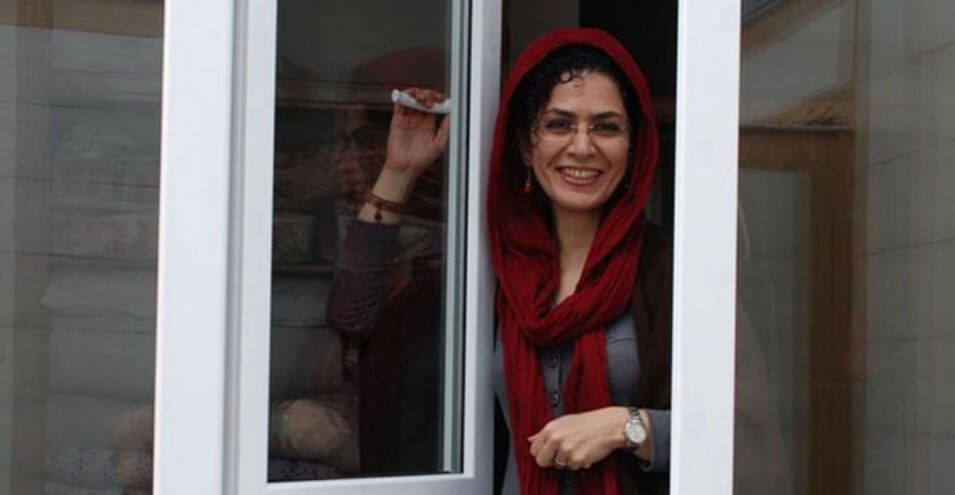
This former political prisoner, whose wife is currently in prison, told VOA that weekly visits have increased the risk of prisoners' families contracting this dangerous virus; visits that are held in cabins, and many families of prisoners, including those of some political and ideological prisoners, are forced to travel long distances to meet their loved ones in such difficult circumstances, and by being in the crowd that forms in front of the prison on the day of the visit, they put themselves at risk of contracting this virus so that they can meet with the prisoners for even a brief moment.
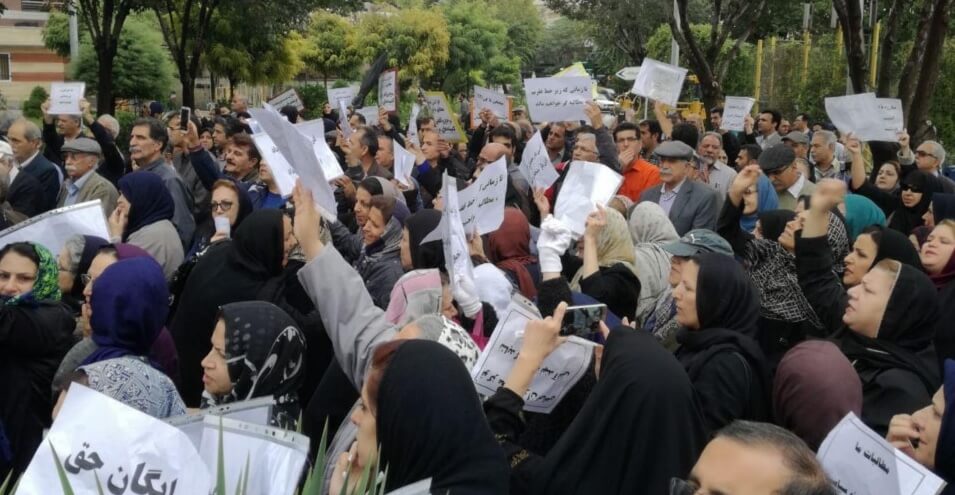
Reza Khandan, Nasrin Sotoudeh's husband, has also announced that "the judiciary continues to prevent the release of political prisoners," and that many families are currently wandering between the meeting hall, the prosecutor's office, and their homes, despite the risk of contracting the coronavirus.
On the other hand, Bonnie Dugal, the senior representative of the Baha'i community to the United Nations in New York, announced in an interview with the Persian service of the Voice of America that about 50 to 100 Iranian Baha'is are still imprisoned in Iran's overcrowded and unsanitary prisons.
In her interview with VOA, Behfar Laleh Zari also reacted to the new directive issued by Ebrahim Raisi, the head of the judiciary, in early March regarding the temporary release of some prisoners sentenced to imprisonment, saying that when the judiciary issues a new directive to grant conditional pardons or leave to prisoners due to the spread of the coronavirus in prisons and the dangers facing prisoners, making a difference or valuing the lives of individuals is contrary to the spirit of the laws.
According to official statistics, the number of deaths from COVID-19 in Iran has been reported at 4,777 and the number of infected people at 76,389. According to this report, 1,512 new COVID-19 patients were identified in the country in the past 24 hours, and 94 COVID-19 patients lost their lives during this period.
This is while the official statistics of Iran, China, and Russia cannot be verified by independent experts and cannot be considered valid and final.
Meanwhile, a World Health Organization official has also said that the figures announced by Iranian authorities regarding coronavirus cases are only one-fifth of the actual number of infected people.
Source: Voice of America