Gasoline price increase plan in Kish and Qeshm; MP: November 2019 will not be repeated
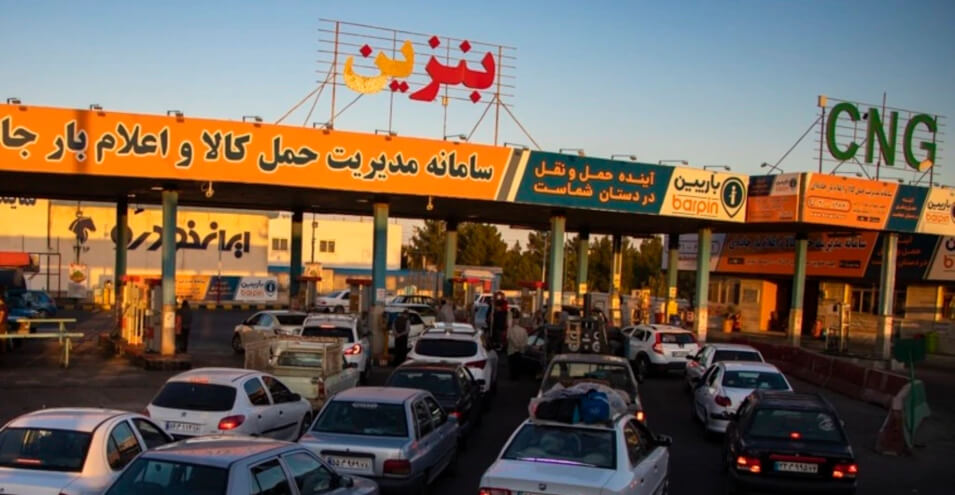
The ILNA news agency reported that the increase in gasoline prices "will be implemented as a pilot in Kish and Qeshm."
Fereydoun Abbasi, a member of parliament for Kazerun, told the news agency that since incomes vary in these areas, “it might be desirable” to implement the gasoline price increase “in these places” on a trial basis. Without specifying the amount of the gasoline price increase, he said that “the ignorance and mismanagement of November 2019 will not be repeated” and that the model that occurred in November 2019 “was done wrong.”
The November 2019 protests were the bloodiest political and social event in Iran in four decades, following a sudden increase in gasoline prices. The protests quickly shifted direction and targeted the government, led by Supreme Leader Ali Khamenei, but were met with severe repression and direct gunfire.
Amnesty International has so far published the names of 324 people killed in these incidents. The same year, Reuters reported, citing sources in the Iranian Interior Ministry, that up to 1,500 people had been killed during these protests.
Meanwhile, the Tejarat News website reported that the government intends to implement the One Plan on Kish and Qeshm islands. According to this plan, “a gasoline quota will be allocated to each family instead of a car, and the individuals themselves will decide whether to sell or keep their quota.”
ILNA News Agency, in a report referring to the announcement of the preparations for implementing this plan on the islands of Kish and Qeshm, wrote: "The price of gasoline offered [by individuals] in the energy market will be outside the quota" and "the price may be determined systematically based on supply and demand."
Iran's gasoline exports grew about 6-fold last year, reaching nearly $3 billion, due to a drop in domestic consumption caused by the coronavirus outbreak and quarantine. However, gasoline consumption has increased again this year, and Iran has sharply reduced gasoline exports in recent months.
In the 1401 (2022) budget, the government of Ebrahim Raisi has earmarked 186 trillion tomans for the export of petroleum products, but 74 trillion tomans have been earmarked for domestic sales of petroleum products.
Comparing these two numbers shows that while only one-fifth of Iran's oil products are exported, its revenue for the government is more than two and a half times that of domestic sales of oil products.
In October of this year, reports were published about a plan to sharply increase gasoline prices in Iran, but a spokesman for the National Iranian Petroleum Distribution Company said, "There is no news of a gasoline price increase and no decision has been made in this regard."
Source: Radio Farda