Zarif and Araqchi: America's opportunity to preserve the JCPOA is ending
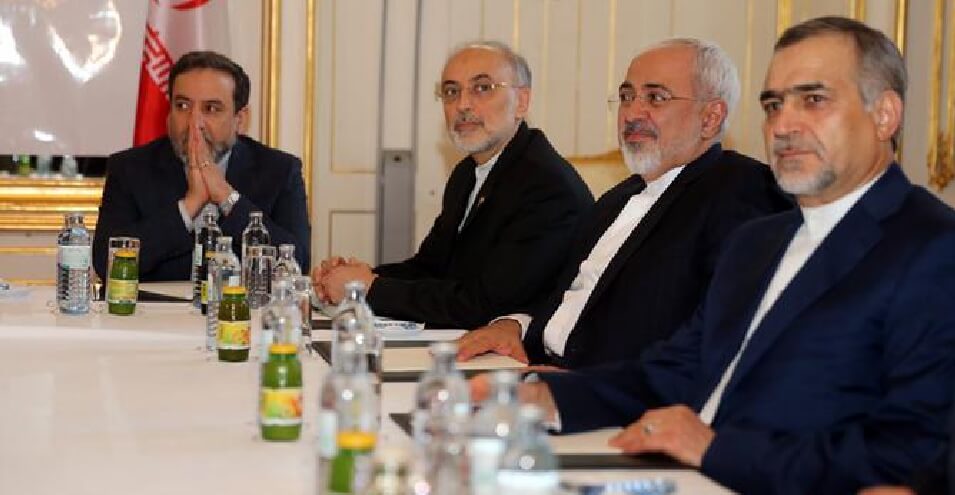
As the Islamic Consultative Assembly's deadline to suspend the implementation of the Additional Protocol approaches, Iran's foreign minister and his deputy warned the United States in two separate statements: If sanctions are not lifted by March 20, Iran will take the next step.
In a statement issued on the occasion of the anniversary of the victory of the Islamic Revolution, Mohammad Javad Zarif, the Foreign Minister of the Islamic Republic of Iran, warned the United States to use the opportunity of the new government to try a new approach towards Iran, otherwise, according to him, "the current window is closing."
"My government will soon be forced to take new retaliatory action in response to the regrettable failure of the US and Europe to comply with their obligations under the nuclear deal," Zarif said in the statement. "This retaliatory action, as mandated by our parliament and in accordance with our rights under the JCPOA, includes expanding our nuclear program and reducing our cooperation with the International Atomic Energy Agency inspectors."
In December, the Iranian parliament approved the outline of a plan titled “Strategic Action for Sanctions Lift,” according to which Iran will voluntarily suspend implementation of the Additional Protocol if US sanctions against Iran are not lifted within two months of the final approval of the plan. This deadline expires on February 21.
In his statement, Zarif emphasized that the only way to prevent this from happening is for the US to fully return to the JCPOA.
Similar position to Araqchi
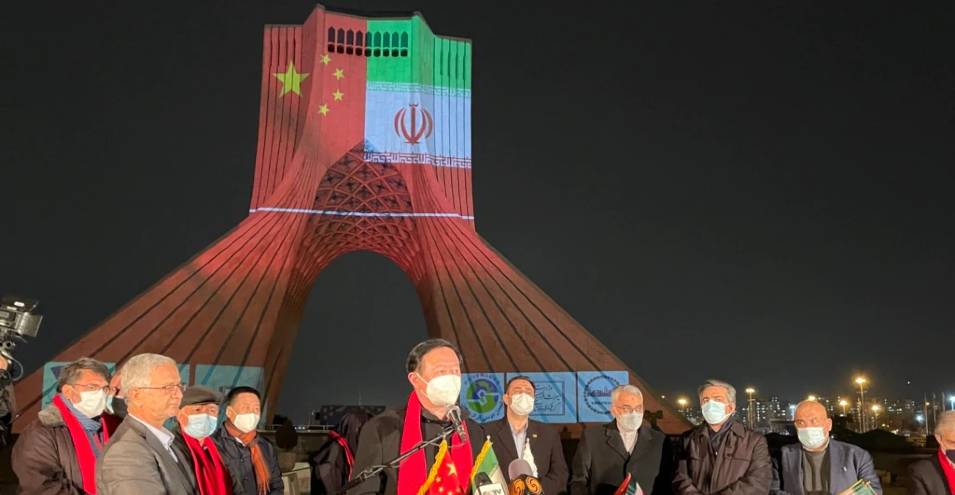
Abbas Araqchi, Zarif's political deputy, also warned the Biden administration in an interview with a Chinese television channel that time is running out to preserve the JCPOA. He stated that Iran is ready to quickly return to its commitments after all US sanctions are lifted.
The Islamic Republic began a phased withdrawal from its commitments in 2019, a year after the US withdrew from the JCPOA. Iran is currently enriching uranium to 20 percent and producing uranium metal, both of which are in violation of the nuclear deal.
According to the latest statements by Biden administration officials, the United States wants the Islamic Republic to take the first step by returning to its commitments under the JCPOA.
In response to the question of which side should finally take the first step, Araghchi said: “The situation is quite clear. It is not Iran that left the JCPOA, it was the United States that left the agreement. The United States decided to stop its participation in the JCPOA, they left the table and reimposed sanctions. They even imposed new sanctions on Iran. Now, if their policy is to return to the JCPOA and become a member of the JCPOA again, they should lift the sanctions.”
Araqchi emphasized that Iran's actions were a reaction to the US withdrawal from the JCPOA and a violation of the agreement. However, he said that these actions were within the framework of the JCPOA and based on Article 36 of the agreement.
Article 36 of the JCPOA governs the "dispute resolution mechanism" between the parties.
Negotiating over the missile program; absolutely not.
The United States and European countries have said that the Islamic Republic's missile program and Iran's interference in regional countries should also be discussed in new negotiations with Iran.
Abbas Araqchi completely rejected the possibility of talks on issues other than Iran's nuclear program, saying: "Absolutely not... the JCPOA is only about Iran's nuclear program and has two pillars, which include restrictions on our peaceful nuclear program in exchange for the lifting of sanctions, and that's it."
The Iranian Foreign Ministry clarified that not negotiating on other issues was a decision and agreement of all parties to the JCPOA.
He continued: "We are not willing to get involved in other issues, including regional issues and our defense capabilities, especially since the United States has proven to be an unworthy party in the negotiations and the Europeans have proven to be unable to fulfill their promises."
There is not much time left.
Referring to the deadline given by the parliament, Abbas Araqchi said: "If the sanctions are not lifted before that date (March 20), we have no choice but to implement the decision that has been made, thereby suspending the Additional Protocol, and this means that the number of inspections and the number of international inspectors in Iran will decrease."
He also emphasized that Iran will remain in the NPT and will maintain its agreement with the International Atomic Energy Agency, and that inspectors will continue their work in Iran, but "not to the extent that the Additional Protocol allows them to."
The Additional Protocol allows IAEA inspectors to conduct intrusive inspections of Iran's nuclear sites.
Araqchi considered the time remaining until the end of the parliamentary term (March 20) to be very short because after that is the Nowruz holiday, and after the Nowruz holiday, preparations for the presidential election in June will begin.
"Everyone knows that during an election campaign, no one prefers to negotiate, so we have very limited time," he said.
Stressing that the Biden administration must make a decision very soon, the Iranian Deputy Foreign Minister said: "We are not in a hurry, but the new US administration must adjust its policies on the JCPOA very quickly. Otherwise, this opportunity may be lost."
Source: DW