Saudi Arabia Releases Three Iranian Fishermen After 14 Months
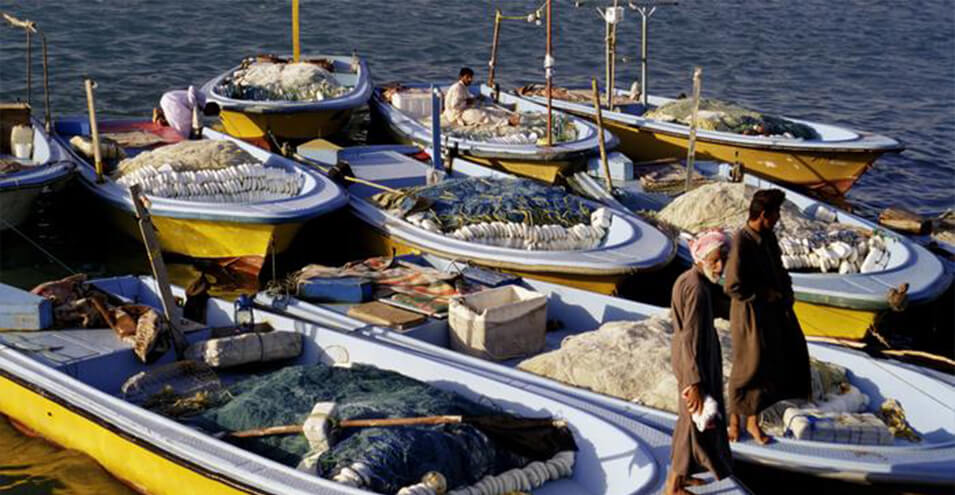
Three fishermen from Bushehr who were detained in Saudi Arabian waters in June of last year have been released. Some observers have assessed this action and a message from Saudi Arabia’s king to Iranian pilgrims as positive signs in the tense relations between Tehran and Riyadh.
On Tuesday, August 23, the director of public relations for Bushehr Province’s Fisheries Department announced that three Iranian fishermen whose boat entered Saudi Arabian waters in June of last year “due to tidal currents” and were detained by the country’s coast guard have been released.
Ardeshir Yarahmadi told the state news agency IRNA: “These fishermen were released after serving their sentences and based on consultations between officials from both countries’ foreign ministries.”
Simultaneously with the release of this news, some Iranian media outlets reported that Salman bin Abdulaziz, the king of Saudi Arabia, welcomed pilgrims who have arrived in Mecca from around the world in a message that was also published in Persian.
The IRNA news agency wrote: “Some West Asian experts in recent weeks have viewed the exchange of some positive signals between Tehran and Riyadh as a sign of improving relations between the two sides following tensions in recent years.”
Thawing the Frozen Relations Between Tehran and Riyadh?
IRNA assessed these developments as “the beginning of thawing the frozen coldness of relations between Tehran and Riyadh in recent weeks” and cited the issuance of visas to the appointed head and staff of Iran’s interests protection office for entry into Saudi Arabia as another positive message exchanged between the two countries.
Visas were issued for the Iranian delegation on August 14 and one day after remarks by Bahram Qassemi, spokesman for the Foreign Ministry, who had said Iran is willing to engage in dialogue “with countries in the region and even Saudi Arabia” to resolve differences.
Riyadh severed its diplomatic relations with Tehran in December 2015 after a group attacked the Saudi embassy in Tehran and its consulate in Mashhad. In recent years, relations between Iran and Saudi Arabia have become increasingly strained, partly due to what is called proxy warfare in areas such as Yemen.
Saudi Arabia, which leads an anti-rebel Yemeni coalition, has repeatedly accused the Islamic Republic of providing financial support, training, and equipment to Houthi Shiites. Tehran has rejected these accusations and says it only provides “moral support” to Yemeni Houthis.
Controversial Statements by IRGC Commander
Nevertheless, the publication of statements attributed to Nassar Shabbani, deputy operations commander of the IRGC’s Tharallah headquarters, which was denied a day later, faced sharp reactions from Saudi Arabia and other members of the Islamic Cooperation Council.
Fars News Agency, a media outlet close to Iran’s military and security forces, reported on August 15 that Shabbani said: “We told Yemenis to attack two Saudi tankers and they did… Hezbollah Lebanon and Ansarullah Yemen are our rear depth. The enemy is so vulnerable that we can engage them beyond the border, though we don’t insist on engaging Saudi Arabia across the border.”
The attack on two Saudi tankers took place on July 25 while they were passing through the Bab al-Mandeb strait near Yemen. This waterway connects the Gulf of Aden to the Indian Ocean. Fars News Agency, while deleting parts of Shabbani’s statements, announced that his remarks were published in a distorted manner due to “journalistic carelessness.”
Days after the publication and denial of these statements, representatives of member countries of the Islamic Cooperation Organization in the final statement of their meeting in Jeddah, to which Iran’s representative was not invited, strongly condemned the attacks by Houthis “supported by Iran” on two Saudi tankers.
Bahram Qassemi responded to this statement by saying: “Representatives of the Islamic Republic of Iran do not have the opportunity to attend meetings of the Islamic Cooperation Organization in Jeddah due to Saudi Arabia’s failure to issue visas, and therefore such statements are prepared and released under Saudi Arabia’s pressure in an unfair and unilateral manner.”
Several Positive Signs on the Path to De-escalation
Nevertheless, the government news agency cited an increase of 26,000 in this year’s Hajj quota for Iranians and the release of two fishermen arrested in Saudi Arabian waters on April 19 of this year as other positive signs of de-escalation between Tehran and Riyadh. These two fishermen had been in prison for about seven months. Later it was said that the number of fishermen was three instead of two.
According to Tasnim News Agency, in March of last year, nine Iranian fishermen who were detained after illegally entering Saudi Arabian waters were released after two years.
Hassan Rouhani, the head of the twelfth administration, said on July 31 in a gathering of ambassadors and heads of representative offices of the Islamic Republic abroad that the country is willing and seeking to improve and enhance its relations with countries in the region, including Saudi Arabia, Bahrain, and the UAE.
Source: DW