Ali Khamenei orders "combined offensive" in security and media fields

On Tuesday, February 10, the Leader of the Islamic Republic claimed in a meeting with a group of commanders of the Army's Air Force and Air Defense that the Islamic Republic of Iran is the target of a "combined attack by the enemy front" and said: "We cannot always remain in a defensive position."
Ayatollah Ali Khamenei stated: "We must also launch a combined offensive in various fields, including media, security, and economics," adding that "the authorities, in particular, are obligated to make efforts in this regard."
These words of the Leader of the Islamic Republic come at a time when many countries in the region accuse the Iranian government of adopting an aggressive approach and interfering in the affairs of other countries, and consider the statements of Islamic Republic officials about "erasing" countries or governments from the "map of the earth" and the repetition of slogans of "death to" various countries as aggressive positions.
In the field of media and "security", the Leader of the Islamic Republic speaks of the Islamic Republic's "remaining on the defensive" while reports indicate that the Islamic Republic has killed or kidnapped "at least 540 Iranians" abroad, and the government's harassment of Iranian journalists living abroad and threats to kidnap them continue.
In another part of his remarks, Ali Khamenei claimed that "great and epic works have been accomplished over the past few decades in various fields such as economy, social, development, education, healthcare, industry, religion and culture, diplomacy and politics, defense and security," but according to him, "these astonishing measures" have not received much coverage in the country's media.
These statements come at a time when the Islamic Republic's propaganda and media outlets regularly publish news and reports about what they call the "achievements of the revolution," but the economic, cultural, political, and social situation in Iran shows the opposite of this propaganda. Official reports and statistics also confirm the country's chaotic situation in various areas.
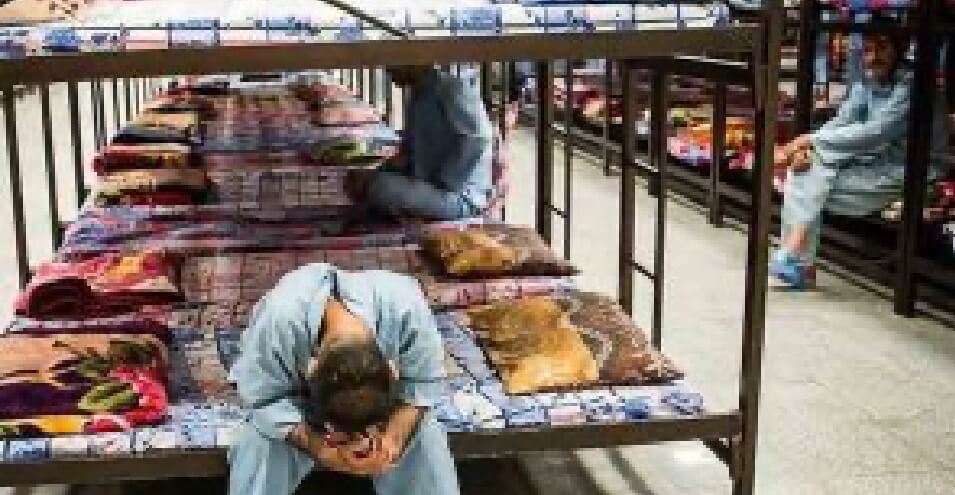
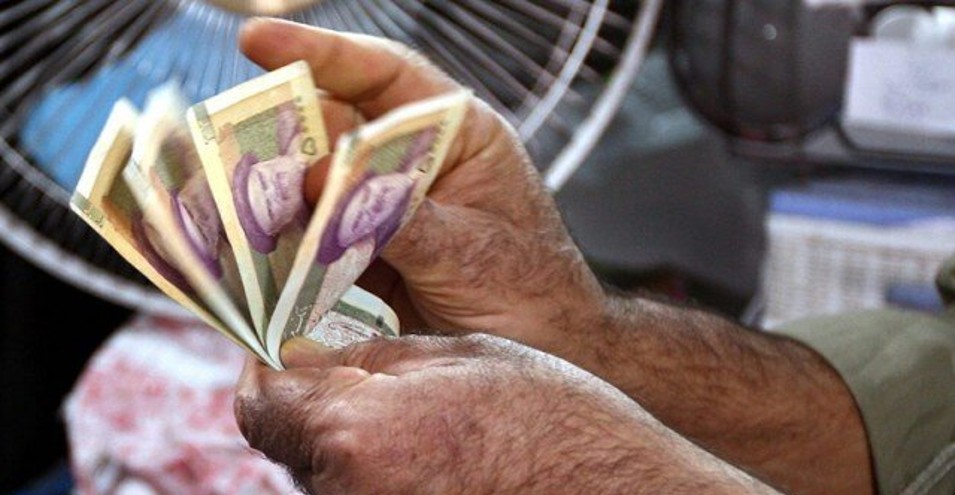
A member of parliament recently announced that about three million Iranian households, comprising 20 million people, are living in “absolute poverty.” According to official statistics, 60 percent of the country’s population currently lives below the poverty line.
A member of the parliament's presidium also announced on January 11, citing official statistics, that "land prices in Tehran have increased by an average of about 40 times in the past 10 years, and housing prices have increased by about 20 times."
Iran also has a very poor position in the world in terms of transparency index. Transparency International announced in its latest annual report on March 2nd of this year that Iran ranks 130th out of 180 countries in the world based on financial corruption.
Iran is also ranked 16th from the bottom in the world's passport strength index, published by the Henley Passport Index research organization on January 11, and is on par with the Democratic Republic of Congo.
On the other hand, in a "top secret" document that Radio Farda published on February 12 from a meeting at the Sarallah headquarters, Mohammadi, from the IRGC's Social Affairs Department, who was present at the meeting, said: "A survey has been conducted in society that shows that the situation in society is in a state of sub-cutaneous explosion."
He added: "Social discontent has increased by about 300 percent over the past year," and the protests in Iran have focused on "inflation, legal arrears, social unrest, and water."
Criticism of the "non-negative" nature of reports about the Pahlavi era
In his speech on Tuesday, Ali Khamenei also attacked the media, calling them "stubborn," saying that the material these media outlets publish about the Pahlavi era is not negative and strongly criticized this.
Ramadan Sharif, a spokesman for the Revolutionary Guards, also said on January 27 that 50 million Iranians "have no information" about the clergy's activities against the Pahlavi government and "due to lack of knowledge," believe some films about the Pahlavi era.
He called the films "truncated and distorted" and said they were being broadcast to "inspire the people that the Iranian people's revolution was a mistake."
The IRGC spokesman made a similar comment in December 2019, saying that 40 million Iranians "have not understood or touched" the Pahlavi era, that the Islamic Republic has failed to raise awareness about the Pahlavi regime, and that the younger generation in Iran "has become suspicious."
The concerns expressed by Islamic Republic officials intensified after protesters chanted slogans in support of the Pahlavi era during the street protests of 2017 and 2019 in Iran.
Source: Radio Farda