Ali Harischi: Someone who has become a refugee for political or religious reasons cannot return to Iran

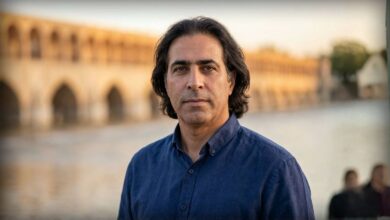
Ali Harischi announced in a speech that it is impossible for people who have become refugees for political or religious reasons to return to Iran.
Federal court attorney Ali Harischi, speaking about the deportation of asylum seekers by the United States, among whom were Iranians, said: "According to the laws of the Islamic Republic, declaring asylum is not a crime; but someone who declares asylum for political or religious reasons is not allowed to return to Iran because their life is in danger."
Asked what the legal status of the migrants would be, since they were not informed of where they would be taken, he said: "As the lawyer for ten of these asylum seekers who are Iranian and have been deported from the United States, I am involved in the violations you mentioned. Those who enter the United States at the border and apply for asylum must, according to the law, be given an interview to prove their fear of returning to their homeland and win in order to be granted asylum and remain in the United States."
Unfortunately, none of the people who were deported in Panama had the opportunity to declare asylum, and therefore their deportation is illegal. Unfortunately, Panama has not yet officially accepted them in Panama due to lack of legal preparedness. They have transferred them to a camp and do not know what to do with them legally. Unfortunately, an unusual process has been carried out.
On the other hand, the Iranian Interests Office is also not correctly stating that they have difficulty returning and that some of them are considered apostates because they are Christian converts and have no place in Iran under Iranian law, and are actually playing against Trump's immigration policies. For this reason, Iran is also involved in the political game and is often shown to be upset that Iranians are publicly changing their religion and converting from Islam to Christianity.
He also added, in response to the question that some Iranian officials stated that declaring asylum is not a crime, but in reality it is something else: "It is true that declaring asylum is not a crime in itself, but the reason for declaring asylum can be considered a crime. Because someone who declares asylum has a reason, which can be religious or political issues, and with these reasons they cannot return to Iran because their freedom is in danger in Iran, and that is why they are applying for asylum. Even when Iran later finds out about their declaring asylum, when they return to Iran, they are questioned and asked about the reasons for their asylum, and the Iranian authorities are by no means indifferent to these issues. Although during the war, some of these refugees were for social reasons, which is a different matter due to the war conditions, but the religious and political refugees who are declaring asylum these days, whether in Turkey through the UN or through other European countries and the United States that are sensitive to this issue, are different. "It is true that these countries try to keep their information secret, but in many embassies there are forms that asylum seekers must fill out and provide the reasons for their asylum in order to receive consular services."
He continued, referring to the law that Donald Trump has implemented: "My focus is on these ten Iranian asylum seekers, but there are other institutions that want to stop this policy and mass deportations. What I, along with two other groups, are doing about these ten people, will be filing a complaint with Panama to make sure that human rights conditions are met for them and that they are not returned to Iran or countries close to Iran in any way. On the other hand, we are looking to change the conditions so that they can have the chance to declare their asylum in the United States again or enter the United States through humanitarian visas through the support that the churches provide for them."