Pressure to Continue War with Iran; Hidden Gap in the Persian Gulf and the Scenario of "Complete Paralysis" of Tehran
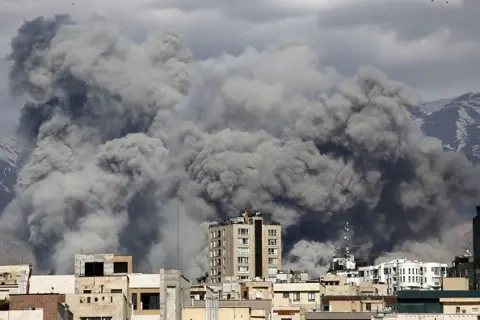
The pressure to continue the war with Iran has intensified as some Persian Gulf countries seek to "completely paralyze" Tehran, while at the same time hidden regional rifts are deepening.
As the war in the Middle East enters a costly and attritional phase, new reports suggest that some of the United States’ key allies in the region are not only unwilling to end the conflict but are insisting on its continuation and even escalation. This shift in stance, particularly among the Gulf Arab states, represents a significant shift in the region’s security and political calculations.
According to a report published by the Associated Press, countries such as Saudi Arabia and the United Arab Emirates have called for continued military operations against Iran in behind-the-scenes consultations with Washington. They believe that the attacks of the past month have not yet achieved their main goal, which is to structurally weaken the Islamic Republic. This is despite the fact that these same countries had expressed dissatisfaction with the lack of sufficient coordination with the United States and Israel at the beginning of the conflict and warned of the widespread consequences of the war.
Now, however, the tone of these actors has changed. The report states that some of the countries in question see this as a “historic opportunity” to fundamentally change Iran’s behavior or power structure. In this regard, officials from Saudi Arabia, the UAE, Kuwait, and Bahrain have emphasized that ending the operation before achieving such goals will not guarantee their long-term security.
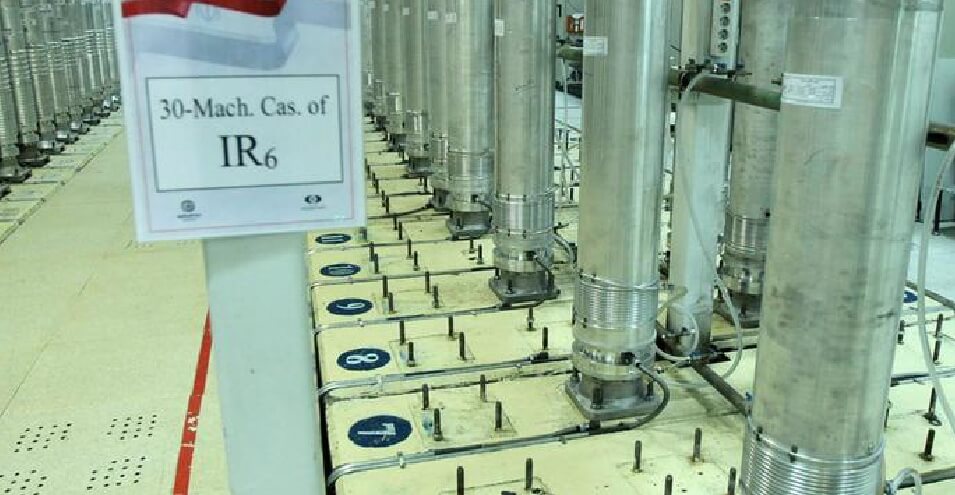
Riyadh, in particular, believes that an early end to the war will not lead to a “good deal.” Saudi demands include a complete reining in Iran’s nuclear program, the dismantling of its missile capabilities, and an end to support for proxies in the region. Meanwhile, the UAE has taken an even more aggressive approach, calling for a ground invasion, which could escalate the conflict to unprecedented levels.
These countries’ security concerns are not unfounded. The UAE has been the target of hundreds of missile and drone attacks in recent weeks, straining its status as a safe economic and tourist hub. Kuwait and Bahrain are also supporting tougher options, albeit more cautiously.
In contrast, not all countries in the region agree. Oman and Qatar continue to insist on diplomatic solutions and warn against further escalation of the conflict. These differences reflect a deep rift that is forming within the Gulf Cooperation Council.
On the international level, Donald Trump has appeared with varying positions. On the one hand, he speaks of Tehran's possible readiness for an agreement and on the other, he threatens to escalate attacks. However, he recently announced: "Saudi Arabia, Qatar, the Emirates, Kuwait and Bahrain are all fighting and responding." These statements are made in a situation where these countries have not yet directly engaged in offensive operations, but their infrastructure and bases are at the disposal of American forces.
Meanwhile, Iranian Foreign Minister Abbas Araqchi has tried to send a different message to regional countries. He wrote on the social network X: “Iran respects the Kingdom of Saudi Arabia and considers it a brotherly country. Our operation is against enemy aggressors. The time has come to expel American forces.” This stance reflects Tehran’s efforts to prevent the conflict from spreading to the entire region.
However, the risk of escalation remains serious. Iran has warned that it will retaliate against strategic installations in neighboring countries, including desalination plants, if its critical infrastructure is attacked. Such a scenario could create a widespread humanitarian and environmental crisis in the region.
From a military perspective, the complexity of the operation has been cited as an obstacle to expanding direct participation by US allies. The congestion in the region's skies has increased the risk of fatal mistakes, such as friendly fire; as was reported in the early days of the conflict, American fighter jets were mistakenly shot down.
The war, which has already claimed thousands of lives and had a serious impact on the global economy, is now at a critical juncture. Pressure from some actors to continue down a military path, coupled with warnings from others about its catastrophic consequences, has put the region on the brink of a fateful decision—one that could shape the future of the Middle East for years to come.