Activation of the trigger mechanism against Iran
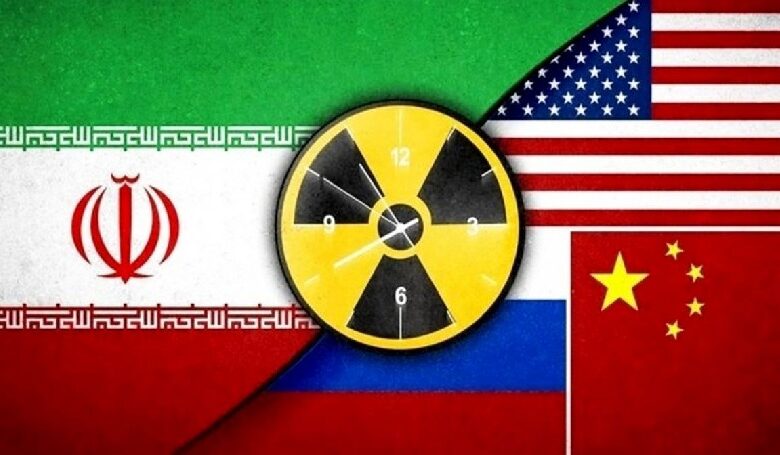
France, Britain, and Germany have begun activating the trigger mechanism that will reimpose UN sanctions on Iran.
Three European countries, France, Britain, and Germany, began a 30-day process to reimpose UN sanctions on Iran on Thursday, August 28. The move was taken due to Tehran's failure to implement its nuclear commitments and aimed at limiting Iran's acquisition of nuclear weapons.
"We are committed to using all diplomatic tools to prevent Iran from obtaining a nuclear weapon. This includes our decision today to activate the automatic resumption mechanism of sanctions through this statement," the European Troika said in a statement.
European countries have accused Iran of violating the 2015 nuclear deal, which was intended to prevent Tehran from developing nuclear weapons. Although the trigger mechanism could only be activated by mid-October, circumstances such as the start of Russia's rotating presidency of the UN Security Council (an ally of Iran) and the 30-day process for reimposing sanctions justify accelerating the decision.
It is worth noting that the latest round of talks between European countries and Iran was held on Tuesday, but these talks did not lead to any tangible results. The Europeans proposed that the reimposition of sanctions be postponed for six months, conditional on full UN inspections and the resumption of negotiations between Iran and the United States.
The foreign ministers of France, Britain, and Germany informed US Secretary of State Marco Rubio of their decision on Wednesday and expressed hope that Iran would engage in constructive diplomatic engagement and fulfill its nuclear commitments by the end of September.
In contrast, Iran had previously warned that it would give a “harsh response” if sanctions were reimposed. Iranian Foreign Minister Abbas Araqchi said today, in response to a phone call between the foreign ministers of three European countries and the EU foreign policy chief, “We will respond appropriately to this illegal and unjustified action in order to protect and secure our national rights and interests.”
The process of reinstating UN sanctions will take 30 days, after which sanctions will be imposed on Iran's financial, banking, energy, and defense sectors.
The economic repercussions of this decision were also evident in Iran's domestic markets; the rial's value fell against major global currencies. One US dollar traded at 102,350 Tomans and one euro at 119,000 Tomans in today's trading. This trend, starting on Wednesday and with the increased possibility of activating the trigger mechanism, caused the dollar to cross the 100,000 Toman mark for the second time. The first time this happened was five months ago, when Donald Trump's return to the White House and the escalation of tensions between Tehran and Washington caused the dollar to rise.