How is a law that does not exist regarding the hijab enforced?
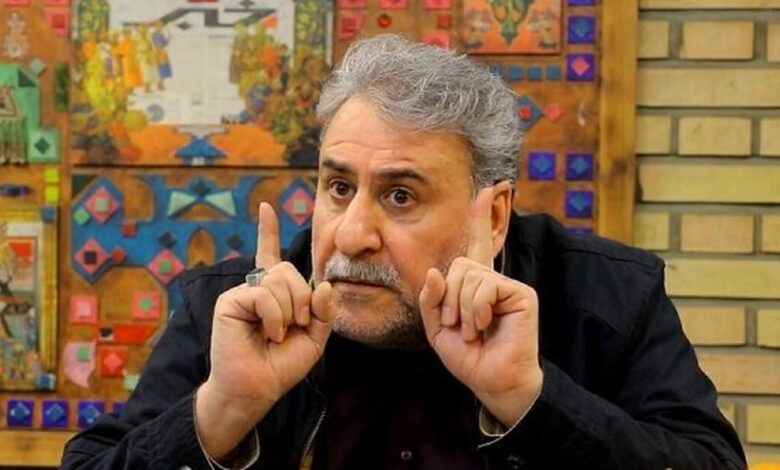
In response to the hijab and poisonings, Heshmatollah Falahatpisheh announced how they will enforce a law that does not exist regarding the hijab.
This year, the most discussed issue is the chemical attacks on schools and the poisoning of students. Attacks on schools are occurring in provinces across the country while the Islamic Republic's only concern is the mandatory hijab and is looking for a law to arrest and fine those who do not wear the hijab.
Heshmatullah Falahatpisheh, a former member of the National Security Commission of the Parliament, told Khabar Online in response to the poisonings and the issue of the hijab: "Although the issue of the hijab is a debatable issue in the country, now other problems, such as attacks on some schools, are more important than the hijab. In a country where there is still no hijab law in place, how can the country's police commander announce that non-hijab will be dealt with?"
In the first decade of Farvardin 1402, the Ministry of Interior issued a statement regarding the control of the hijab. "Sardar Radan", the commander of the police force, also spoke two days ago about dealing with people who do not wear a hijab and enforcing the law against them. According to Sardar Radan's words, from Farvardin 26, people who attempt to uncover the hijab in public places, cars, or commercial places will be introduced to the courts with documents and evidence.
According to Falahatpisheh, social phenomena cannot be solved in society by force. Currently, the intellectual atmosphere of many people in society is not consistent with the intellectual atmosphere of many country officials. Many of the statistics and figures announced by country officials are not consistent with the reality of society and people's lives. As a result, the policies adopted to address the problems of society and its culture are not only ineffective, but also have the opposite effect.
The authorities also attributed the poisoning of the students to the mischief of children who are influenced by cyberspace, and not only did they not take any action to prevent these attacks, but they also focused all their attention on the issue of the hijab, which is a social issue, and turned it into a security issue.
Falahatpisheh also stated that we are facing a generation that wants to assert itself. If, after strict measures, controversy erupts again, who will take responsibility for it?