UN Committee Resolution Protesting Human Rights Violations in Iran
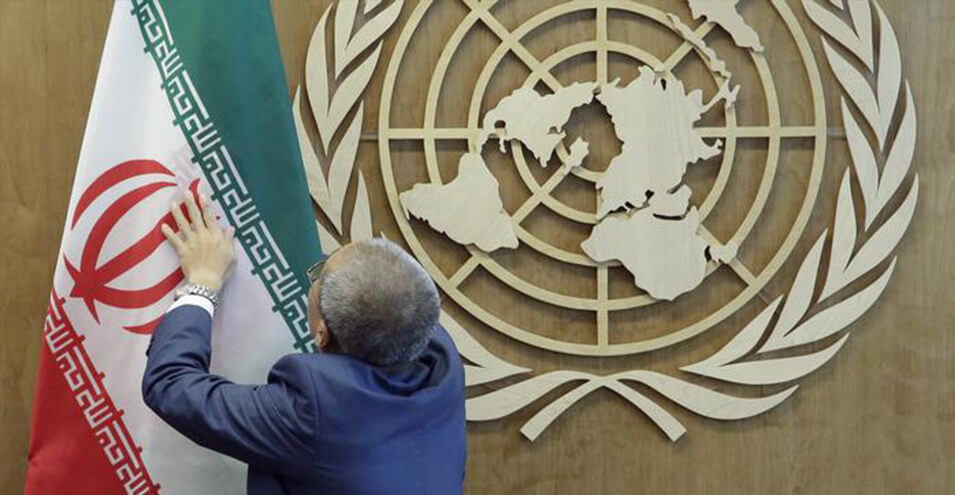
At the suggestion of Canada, the Third Committee of the UN General Assembly adopted a resolution expressing strong concern about the human rights situation in Iran. The deputy head of Iran's mission to the UN called the resolution "politically motivated."
The Third Committee of the United Nations General Assembly on Thursday, November 15, expressed concern about the human rights situation in Iran by adopting a resolution. The resolution strongly protested the “severe restrictions on the right to freedom of thought, religion and belief” as well as discrimination against women in law and in society, and called on Iran to end these repressions.
The resolution, proposed by Canada, was adopted by 85 votes in favor, 30 against, and 68 abstentions. It is expected to be approved by members in a vote on the floor of the UN General Assembly next month.
The resolution refers to the repression of religious minorities in Iran, such as Christians, Gonabadi Dervishes, Jews, Sufis, Sunnis, Zoroastrians, followers of the Ahl al-Haqq (Yarsani), and members of the Baha'i community, and calls on Iran to release prisoners of conscience, including Baha'i leaders, from prison.
The aforementioned resolution, while welcoming the abolition of the death penalty for some drug-related crimes, expressed serious concern about Iran's "alarmingly frequent use" of the death penalty, including against minors.
According to the Associated Press, Eshaq Al-Habib, Iran's deputy ambassador to the United Nations, rejected the resolution, calling it "a political game" and said: "Like any other country, there may be shortcomings in Iran and we are determined to deal with them. However, those who have traditionally, historically and practically supported colonialism, slavery, racism and apartheid should not lecture Iranians on human rights."
Saudi Arabia’s ambassador to the United Nations, Abdullah al-Moallemy, also called on Iran “not to harbor terrorists,” saying, “The Iranian people continue to suffer under the leadership of a regime that does not respect human rights, prohibits freedoms, and persecutes religious and ethnic minorities.”
The Human Rights Council recently criticized Saudi Arabia regarding the general human rights situation in the country, as well as the murder of Jamal Khashoggi, a critical Saudi journalist.
Amnesty International issued a statement on November 12 expressing concern about the situation of hundreds of Arab prisoners in Iran and calling for an immediate clarification of their fate and whereabouts. The statement said that 600 Ahwazi Arabs have been arrested so far in response to an armed attack on a military parade in Ahvaz, and that they have no access to their families or lawyers.
In recent days, there have been reports of secret executions of a number of members of this minority in southern Iran. Iranian authorities have denied these reports.
Source: DW