Mohammad Taqi Akbarnejad removes turban in support of Iranian people
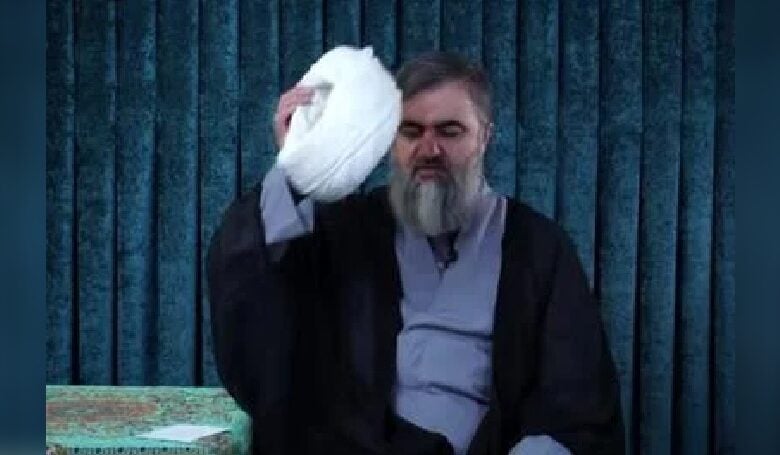
Mohammad Taqi Akbarnejad removed his turban in support of the Iranian people and standing by them during difficult times.
While the Islamic Republic attempts to maintain its survival through severe repression, many clerics and military personnel have distanced themselves from the official government lines and joined the Iranian people.
Mohammad Taqi Akbarnejad, a former professor at the Qom Seminary and a Shiite cleric, removed his turban in support of the Iranian people after the verdict of his disrobing and imprisonment was confirmed, and released a video announcing that he would not remain silent in the face of pressure. His action is a symbol of opposition and resistance to repression and indifference to the critical conditions of life of the Iranian people.
The details of his sentence and charges are as follows: The Special Court of Appeal for the Clergy upheld Akbarnejad's sentence of 23 months and six days in prison and three years of disrobing without change. His charges include "weakening the system," "insulting the leaders of the Islamic Republic," and "insulting the dignity of the clergy."
Akbarnejad had previously been released from Qom prison on bail in March 1402. His initial arrest was carried out on February 18 of that year by IRGC intelligence agents. In a video posted on social media after his sentence was confirmed, Akbarnejad addressed the Iranian people: “I cannot close my eyes to reality. I see that the fathers of this society are ashamed of their families, that after decades, people still have difficulty meeting the most basic needs such as water and electricity, and that back-breaking inflation has driven them to despair. If I am supposed to be a spectator and not breathe, what good is this uniform to me? Instead of flattering the authorities, I prefer to stand by the people and pay for it.”
Iran has been facing widespread economic and social pressures in recent days. Severe inflation and a livelihood crisis have made people's lives unbearable. Water and electricity shortages have exacerbated the fundamental problems of citizens' daily lives. The Islamic Republic is trying to silence the voices of the people and opponents by increasing repression, but despite this, a significant number of clerics and even military personnel have left the path of government and turned towards the people. Many mullahs have also taken off their clothes and preferred to stand with the people and avoid flattery from power.
Recent examples, such as Mohammad Taqi Akbarnejad's actions, send a clear message to the government: even traditional and religious circles are unwilling to remain silent in the face of repressive policies.
The resistance of some clerics and military personnel and their support for the people in times of crisis is a hopeful sign for real change in Iran's power structure. This trend shows that even within the most militarized and conservative institutions, a spirit of criticism and solidarity with the people is growing, and could increase domestic pressure to respect people's rights and hold the government accountable.