3,000 Iranians die in 3 years from gas poisoning
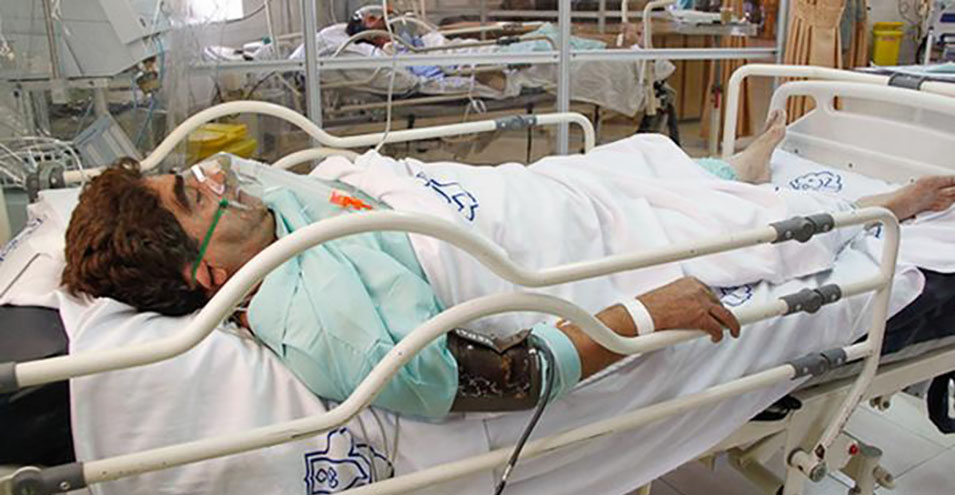
The Secretary of the Food and Drug Administration's Central Drug and Poison Information Headquarters announced the silent deaths of more than 3,000 Iranian citizens due to carbon monoxide poisoning between 2011 and 2014.
Yasna Behmanesh, secretary of the Central Headquarters for Information on Drugs and Poisons of Iran, reported the deaths of three thousand people in three years due to gas poisoning.
According to ILNA, citing Ifdona, Behmanesh said that between 2011 and 2014, about 3,000 people in Iran lost their lives due to gas poisoning. According to him, in the first five months of this year (2016), 193 cases, or 9 percent of deaths caused by carbon monoxide, were reported to the Central Headquarters for Drug and Poison Information by the Forensic Medicine Organization, and this number has increased by 37 percent compared to the same period last year (141 people).
The secretary of Iran's Central Drug and Poison Information Headquarters says that this can be prevented by "paying attention to the safety of using gas-fired appliances, heating appliances, and appliances that use fossil fuels such as oil and diesel."
He called carbon monoxide poisoning one of the deadliest types of poisoning, which can lead to silent death and slowly kill a person who is asleep.
Symptoms of carbon monoxide poisoning
Signs and symptoms of carbon monoxide poisoning can sometimes manifest as gastrointestinal disturbances, such as nausea and vomiting.
Prolonged exposure to carbon monoxide can also lead to consequences such as headaches, dizziness, pounding temples, tinnitus and drowsiness, nausea, vomiting, heart palpitations, decreased consciousness, permanent nerve damage, coma, and death.
In children, long-term exposure to carbon monoxide gas leads to behavioral disorders, decreased memory and IQ, and symptoms of poisoning in them mostly occur in the form of nausea, vomiting and diarrhea.
First aid
Yasna Behmash tells me that the first thing to do when dealing with a person poisoned by carbon monoxide and other gases is to move them to fresh air. If the poisoned patient stops breathing, cardiopulmonary resuscitation should be started and the emergency center should be contacted as soon as possible.
Effective tips for prevention
The Secretary of the Central Headquarters for Information on Drugs and Poisons of Iran considered observing some points to be effective in preventing gas poisoning.
- Avoid leaving children in cars with the lights on and in shopping mall parking lots. Yasna Behmanesh said: "As soon as you reach the entrance to these types of parking lots, ask your companion to take the child out of the car and into an open space, and close the air flow system from outside to inside the car."
- Long-term cigarette use can cause chronic poisoning in smokers due to the presence of large amounts of carbon monoxide gas.
- According to Behmanesh, the use of chimneyless heaters is only permitted in environments with proper ventilation and air flow, such as public places with high traffic, and by taking the warnings regarding the use of heating devices seriously, people can protect their families from the risk of silent death.
- When using oil and gas heaters, it is essential to ensure the correct installation and proper functioning of the chimneys to prevent carbon monoxide poisoning.
- Before turning on gas heaters at the beginning of the cold season, you must first make sure that the heater chimney is properly connected to the heater body? Is the heater's ceiling chimney open or closed due to an obstacle during the warm seasons? Is the gas pipe connected to the gas heater body correctly? Does the heater have a standard pilot so that the gas flow is cut off as soon as the flame goes out for any reason? After turning on the heater, is the chimney pipe cold or hot to the touch? If the chimney is cold, ventilation is not done properly and the gas is spreading in the environment.
- Do not use cooking stoves to heat enclosed spaces, including those in cars. Being in enclosed parking lots with cars running carries the risk of carbon monoxide poisoning. Therefore, the parking lot door should be opened before starting the car.
- Stopping in a closed parking lot with the air conditioner on can lead to death.
- Also, using an oil or gas water heater or a package device inside a bathroom or small enclosed spaces will lead to incomplete combustion and gas poisoning.
Source: DW