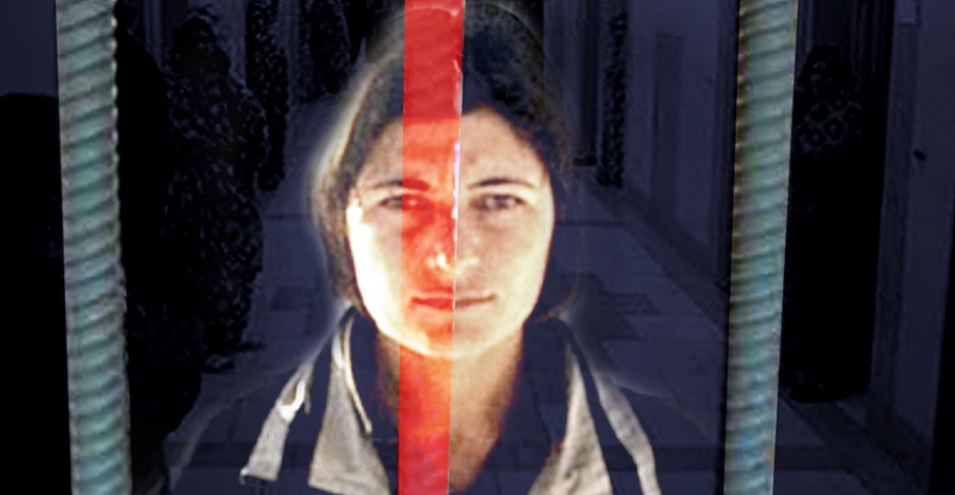
Concerns Over Human Rights Violations of Detained Dervishes as Trial Process Begins
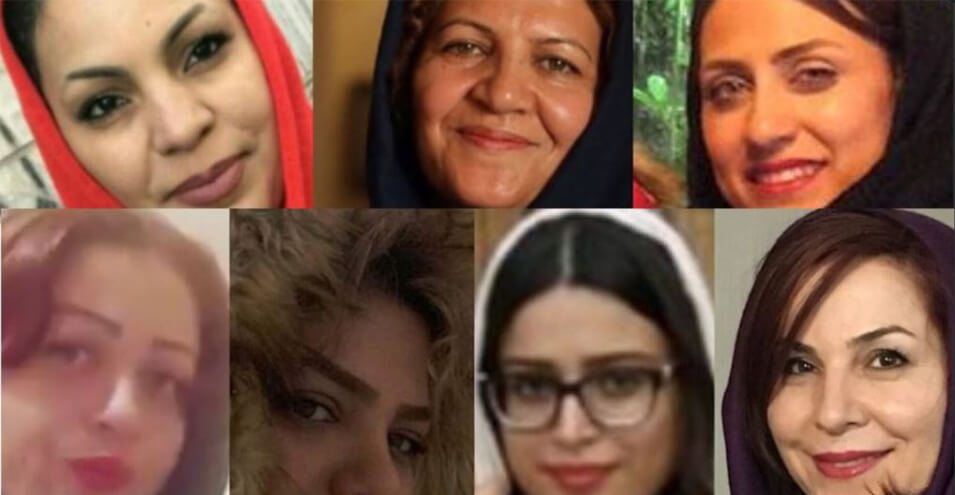
Coinciding with the start of trials for a number of detained dervishes and the reading of charges against several female dervishes, some social media users expressed concerns about the condition of these detainees.
Mousa Ghazanfar Abadi, head of the Tehran Revolutionary Court, announced that the cases of approximately 70 Gonabadi dervishes have been sent to branches 15 and 26 of the Revolutionary Court. He stated that the charges against these individuals are security-related.
Meanwhile, reports published on social media indicate that Gonabadi dervishes have been detained for approximately three months, have been denied access to lawyers, and following beatings by officers during arrest and subsequent injuries, have not had appropriate detention conditions.
The charges against these individuals, who were sent to court without lawyers, have been listed as disrupting public order, unlawful assembly, conspiracy against public security, and disobedience of police orders.
One user also wrote that the prosecutor in the indictment issued for the Gonabadi dervishes has requested severe punishment, deportation, and imprisonment of the dervishes in prisons in cities far from their area of activity.
On the other hand, the charge reading session for several female dervishes took place on Monday, the 24th of Ordibehesht. These detainees are being held in quarantine at Qarchak Prison in Varamin, and their families have not been allowed to deliver clothing and medical and hygiene supplies to them.
Reports indicate that the health condition of some of the imprisoned women, including Shokufeh Yadallahi, has been critical.
Besides Ms. Yadallahi, who suffered a fractured skull and ribs during her arrest, several other women who were arrested during the dervishes’ protest in late last year are in dire conditions.
According to this report, security officials have so far refrained from her release or appropriate treatment.
Human rights activists in recent weeks have warned about a serious danger threatening the life of Ms. Yadallahi.
Amnesty International also expressed concern last month about the situation of female dervishes and called on the Islamic Republic of Iran to release them unconditionally.
On the last day of Bahman last year, a gathering of Gonabadi dervishes in front of the Pasadaran Street police station in Tehran, in protest of the detention of an elderly dervish, turned violent with the intervention of special police units and plainclothes forces.
In these clashes, which lasted approximately two days, hundreds of Gonabadi dervishes were arrested, many of whom were severely beaten and injured.
Following these events, the U.S. State Department spokesperson stated in a statement that the American government has received disturbing reports regarding the violent and ongoing suppression of Gonabadi dervishes by the Iranian regime throughout the country, in which hundreds have been arrested and some have been hospitalized.
The U.S. State Department called on the Islamic Republic of Iran’s government to respect the rights of its citizens and release all wrongfully imprisoned prisoners of conscience.