New York Times: Attack on US base was Iran's response to Israel's attack on Syria
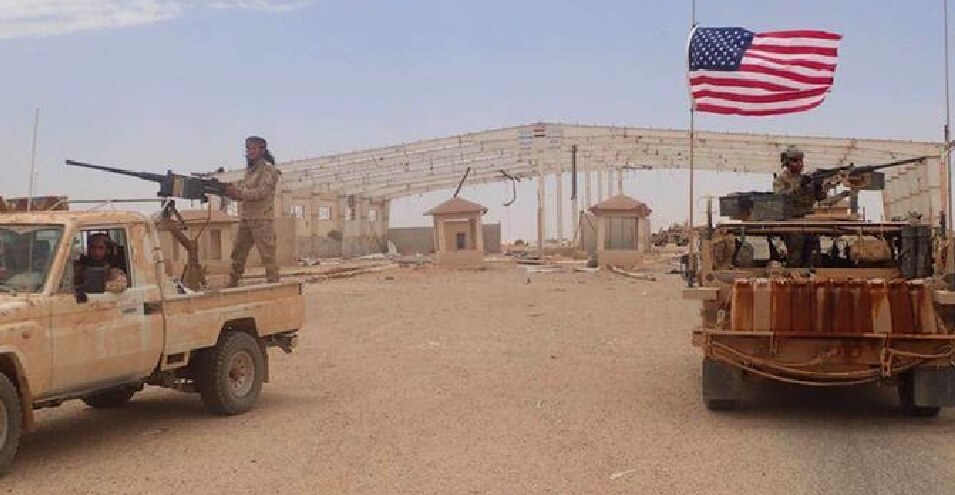
Iran has not confirmed the drone attack on the US base in Syria, but US and Israeli officials said the attack was in retaliation for Israeli strikes. The Tanf base in southern Syria hosts 200 US troops.
The New York Times reported on Thursday, November 18, citing eight American and Israeli officials who asked not to be named, that last month's attack on a US military base in southern Syria was Iranian retaliation for Israeli airstrikes in Syria.
According to this American newspaper, the drone attack on the American base caused no casualties and this is the first time Iran has carried out this drone attack.
The New York Times report states that Israeli attacks on Islamic Republic-backed forces in Syria have created new dangers for American forces.
The US military base in Tanf in southern Syria was targeted on Wednesday, October 20. US officials said at the time that the drone attack on the US military base was carried out “with Iranian assistance.”
US Central Command (CENTCOM) called the attack “deliberate and coordinated.” A senior US military official said the drones were loaded with bearings and shrapnel and were clearly sent with the intention of killing American soldiers.
There are 200 American soldiers stationed at the Tanf base, and their main role is to train Syrian militias to fight ISIS. According to the New York Times, American soldiers evacuated the Tanf base a few hours before the attack after receiving information from Israel.
According to the New York Times, US officials were reluctant to reveal further details of the attack, and a Pentagon spokesman has refrained from publicly blaming Iran so as not to hinder the resumption of nuclear talks with Tehran, which are scheduled to take place at the end of November.
However, some Israeli and American officials said they had information indicating that "Iran was behind this operation."
According to the New York Times, because three of the drones did not explode, American officials were able to examine them and determine that they used the same drone technology used by Iranian-backed militias in Iraq.
The Islamic Republic has not claimed responsibility for the attack, but a Telegram channel run by affiliates of Iran's Islamic Revolutionary Guard Corps said the attack was "a response to America's permission for Israel to attack resistance forces" in eastern Syria, and that militia commanders had concluded that "they had to kill the snake's teeth."
Senior US and Israeli officials said they had information indicating that the drone strike was in retaliation for several recent Israeli attacks on Iranian forces in Syria.
On October 8 of this year, Israel attacked an air base in central Syria that, according to the Britain-based Syrian Observatory for Human Rights, was serving as an Iranian military headquarters.
The senior US official also said that the Iranians were reluctant to attack Israel for fear of retaliation, so they did the next best thing: attack the Americans, the New York Times reported. He stressed that Iran wanted to avoid a direct confrontation with the Americans, but accepted the great risk of attacking Tanf, which could kill American soldiers and prompt a US military response.
Two other senior American officials also said the Islamic Republic may believe the drone attack was the initiative of the militias, not Iran.
U.S. officials confirmed that Javad Ghaffari, a top commander of Iranian militias based in Syria, supports using military action to expel U.S. forces from Iraq and Syria. But the officials said it was unclear to what extent the group's leaders in Iran agree with this approach.
Source: DW