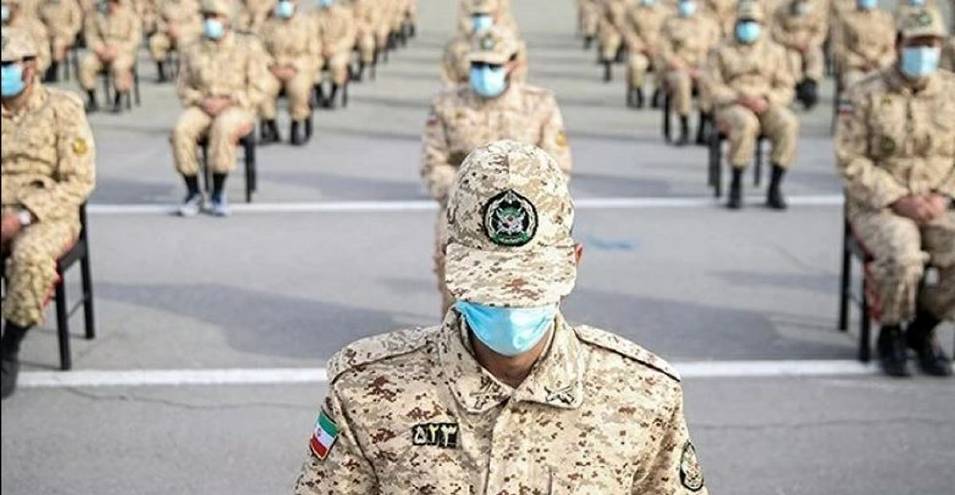
Eighty thousand eyes watching the Islamic system, on the path of total surveillance over people's lives and clothing
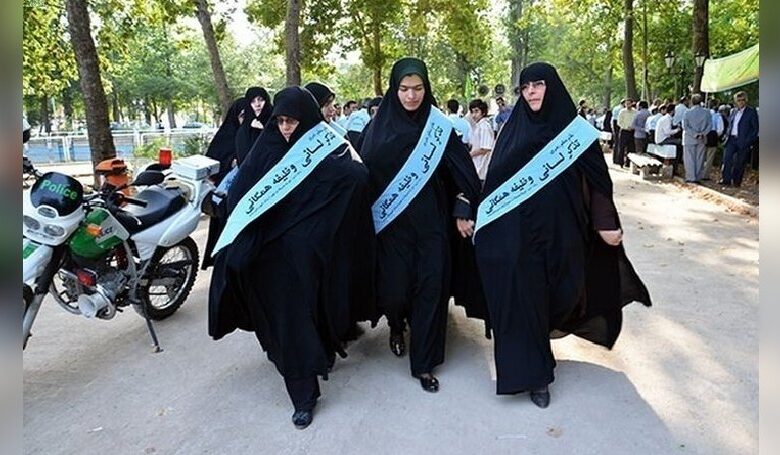
نظام جمهوری اسلامی با مقرر کردن هشتاد هزار آمر به معروف، نظارت تام بر جان و پوشش مردم را گسترش داده است.
پروژه جدید «اتاق وضعیت عفاف و حجاب» نشان از گسترش سیستماتیک کنترل اجتماعی دارد، طرحی که منتقدان آن را گامی دیگر در راستای «طالبانیسازی» جامعه ایران میدانند.
در حالی که ایران همچنان درگیر تبعات اعتراضات سراسری ۱۴۰۱ و قتل حکومتی ژینا (مهسا) امینی است، مقامات جمهوری اسلامی با اجرای طرحی تازه، دامنه کنترل و نظارت بر شهروندان را گسترش دادهاند. «روحالله مومننسب» دبیر ستاد امر به معروف و نهی از منکر استان تهران، از سازماندهی بیش از ۸۰ هزار نیروی موسوم به «آمر به معروف» و ایجاد ساختاری تحت عنوان «اتاق وضعیت عفاف و حجاب» خبر داد.
به گفته مومننسب، این طرح با همکاری دادستانی و پلیس فتا اجرا میشود تا از طریق نظارت دقیقتر بر محتوای فضای مجازی و گزارش نیروهای مردمی، با تولیدکنندگان محتوای بهزعم حکومت «هنجارشکن» برخورد شود. او تاکید کرد که این نیروها شامل هزاران مربی و ضابط قضایی هستند که در مدارس، دانشگاهها، اماکن عمومی و حتی فضای مجازی نقش «نظارتی و گزارشدهی» خواهند داشت.
مومننسب گفت: «مقابله ما کاملا هوشمند، چندلایه و مبتنی بر داده است. با تشکیل اتاق وضعیت عفاف و حجاب، کنشهای دشمن رصد و تحلیل شده و راهکارهای فرهنگی، رسانهای و قانونی، طراحی و به نهادهای مربوطه ابلاغ میشود.»
این اظهارات در حالی مطرح میشود که نهادهای حقوق بشری و فعالان مدنی، طرحهای مشابه را نقض گسترده حریم خصوصی و کرامت انسانی میدانند. کارشناسان معتقدند که جمهوری اسلامی با استفاده از زبان دینی، در حال نهادینهسازی جاسوسی سازمانیافته میان شهروندان است، اقدامی که میتواند به گسترش خشونت اجتماعی و بیاعتمادی عمومی بینجامد.
از سوی دیگر، بسیاری از ناظران بینالمللی، هدف اعلامی ستاد یعنی مقابله با سکولاریسم و بیتفاوتی اجتماعی را تلاشی برای مهار آزادیهای فردی و فرهنگی در جامعهای میدانند که بخش بزرگی از زنانش دیگر حاضر به پذیرش حجاب اجباری نیستند.
در سالهای اخیر، گزارشهای متعددی از درگیریهای خیابانی میان آمران به معروف و مردم منتشر شده است. از برخوردهای خشن در مترو و خیابان گرفته تا دخالت در نحوه پوشش یا سبک زندگی شهروندان. بسیاری از این موارد به گفته کارشناسان، مصداق استفاده ابزاری از دین برای کنترل بدن و رفتار انسانها بوده است.
افزون بر این، رسانههای داخلی از اقدام ستاد امر به معروف در توقیف فروش عروسکهای موسوم به «مرتضی و مرضیه» در فروشگاههای اینترنتی خبر دادهاند؛ اقدامی که نشان میدهد دامنه نظارت، حتی به حوزه سرگرمی کودکان نیز کشیده شده است.
تحلیلگران مسیحی و ناظران حقوق بشر، این روند را نشانهای از افزایش اقتدارگرایی دینی در ساختار جمهوری اسلامی میدانند. در این نگاه، مفهومی که در الهیات مسیحی بهعنوان «موهبت الهی بودن زندگی انسانی» شناخته میشود، در تضاد آشکار با سیاستهایی قرار میگیرد که کرامت، آزادی و اختیار انسان را محدود میکنند.
طرحهای اینچنینی، نه تنها به زعم منتقدان «تلاشی برای حفظ اخلاق» نیست، بلکه شکلی از کنترل ایدئولوژیک و تمامعیار بر جسم و ذهن شهروندان به شمار میآید؛ تلاشی که روح آزادی را در جامعهای سرکوبشده بیش از پیش تنگ میکند.