Robert Malley: Iranian elections have no impact on nuclear talks
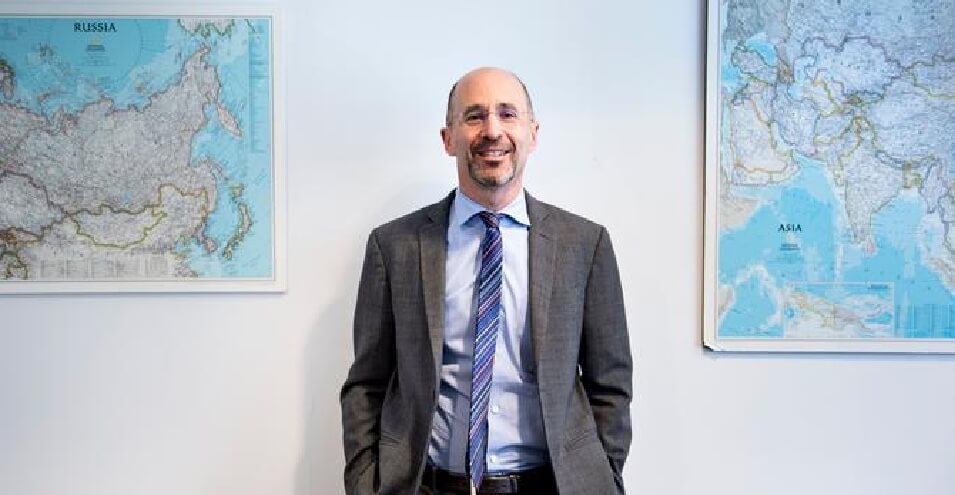
The US special representative for Iran says that no process related to the Islamic Republic will be slowed or accelerated because of the elections. Rouhani, in a different comment from before, said that Iran is ready to engage with the US on a commitment-for-commitment basis.
Robert Malley, the US State Department's special representative for Iran, says that the possibility of lifting sanctions against the Islamic Republic cannot be ruled out, but US President Joe Biden will not take a unilateral step in this regard.
In an interview with the Axios website published on Wednesday, March 10, he emphasized that the presidential election in Iran is not a factor in the Biden administration's decisions on how to advance the negotiation process with Tehran.
Previously, some senior officials in Hassan Rouhani's government, including Foreign Minister Mohammad Javad Zarif, have implicitly and sometimes openly warned the White House not to miss the remaining opportunity in the 12th government to reach an agreement, given the high probability of hardline fundamentalists winning the 2021 presidential election.
The ineffectiveness of Iran's elections
Robert Malley has emphasized that the US government will not speed up or slow down efforts for negotiations because of the Iranian elections, and that this process will only proceed in coordination with US national interests and security.
He added that the US government has made it clear to the Islamic Republic that it is ready to cooperate in a serious diplomatic process to create conditions for both sides to return to the nuclear agreement and the JCPOA commitments.
The Leader of the Islamic Republic, Ali Khamenei, had recently said that Iran would return to implementing its commitments under the JCPOA only if US sanctions were completely lifted and this issue was verified.
A senior US State Department official told Axios that the Joe Biden administration is prepared to consider lifting some sanctions only after bilateral talks begin and as part of a bilateral process.
Dialogue, even indirect
He adds that the two sides should engage in dialogue, even if indirectly, although direct talks would be more beneficial. Robert Malley also says that the government believes that direct negotiations are more effective and less likely to lead to misunderstandings.
However, some reports suggest that there may be behind-the-scenes and indirect talks between Tehran and Washington. The US State Department has not denied the existence of communication channels between the two sides, but has said it will not answer questions in this regard.
In a cabinet meeting on Wednesday, Hassan Rouhani pointed out that the United States should take the lead and said to the country: "We are ready to return to our commitments, whole for whole or part for part. It is you who can choose the right and correct path."
These remarks differ from Khamenei's previous conditions on the necessity of a complete lifting of US sanctions for Iran to return to its commitments, and have been met with harsh criticism in the parliament.
Criticism of Rouhani in Parliament
According to "Ferraro," Nasrollah Pejmanfar, head of the Parliament's Article 90 Commission, accuses Hassan Rouhani of either "creating duality in the country" or making these remarks for electoral reasons.
He added: "Both the government and others in the JCPOA affair fully understood that the step-by-step lifting of sanctions is a completely broken scenario and there is no logical reason for repeating it."
Ahmad Hossein Fallahi, a representative from Hamedan in the parliament, also expressed hope that Rouhani did not mean "renegotiation, compromise, and retreat" by his words, because according to him, there will be no negotiations and Iran will wait for the sanctions to be lifted to return to its JCPOA commitments.
According to evidence and statements by Robert Malley, the Joe Biden administration is not ready to lift sanctions against the Islamic Republic before Iran returns to fulfilling its obligations under the JCPOA, but Rouhani's new statements raise the possibility that Tehran is ready to back down from its previous harsh stances.
Source: DW