Christian activists warn the United Nations about the use of children in military activities
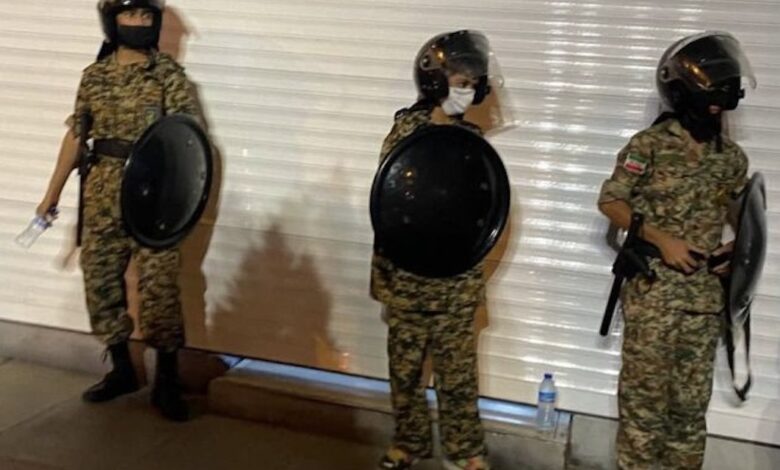
The organization "Christian Activists for a Free Iran" warned in a letter to the United Nations about the systematic violation of children's rights by the Islamic Republic government and its disregard for international obligations.
Reports indicate growing international concern over the situation of children in Iran, where human rights groups say the use of children under 18 in military and paramilitary activities has become a worrying trend. In response, Christian Activists for a Free Iran has written to the United Nations and a number of prominent politicians in Europe and the United Kingdom, calling for an immediate response from the international community.
The letter emphasizes that the use of children and adolescents in military structures is a clear violation of Iran's international obligations. The letter specifically refers to the "Convention on the Rights of the Child" and the "Optional Protocol on the Involvement of Children in Armed Conflict," which Iran has also joined, but according to the organization, their provisions are repeatedly violated. Part of the letter states that such actions can be considered an example of the use of "human shields" and are considered a serious violation from the perspective of humanitarian law.
These warnings come at a time when, under international law, particularly the provisions of the Statute of the International Criminal Court, the use of children under the age of 15 in armed conflict can be prosecuted as a war crime. Legal experts have also previously emphasized that even training or preparing children for such activities is contrary to the fundamental principles of protecting children's rights.
The letter also cites reports that indicate the role of military institutions in recruiting and directing children into high-risk environments. For example, the death of 11-year-old Alireza Jafari, who died at a checkpoint, is cited as an example of the direct consequences of these policies and raises serious questions about the responsibility of the relevant institutions.
Analysis of these events shows that such a trend not only threatens the physical and mental health of children, but also poses profound harm to the future of a generation. According to reports from international organizations such as UNICEF, the presence of children in military environments can have long-term effects, including mental disorders, school dropout, and a cycle of violence.
At the end of the letter, a set of specific demands has been put forward from the international community, including an immediate halt to any use of children under the age of 18 in military activities, the return of these individuals to safe family and educational environments, independent investigations into cases of child deaths and injuries, and the prosecution of those responsible for these policies. It also emphasizes the need for transparent information to families so that they can pursue legal action at the domestic and international levels.
These calls come as child rights activists warn that ignoring this trend could lead to the normalization of child rights violations. They call on the international community to take a more assertive stance to prevent such actions from continuing and to protect the fundamental rights of children in Iran.