UN Fact-Finding Mission: Repression in Iran Intensifies as War Continues
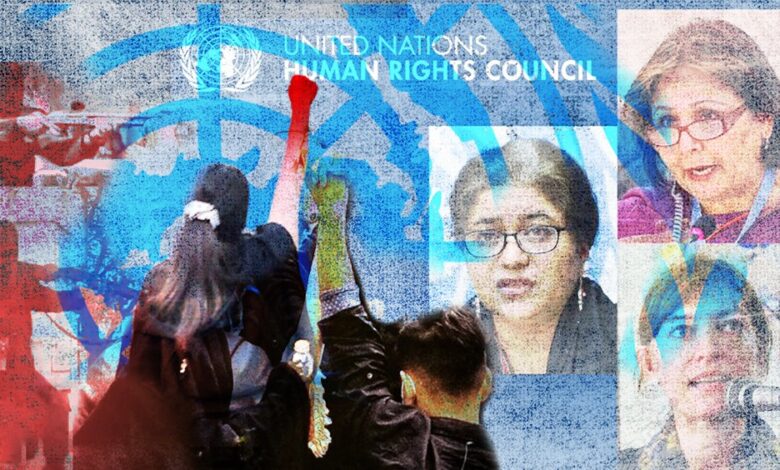
The UN fact-finding mission's report warns that violence against protesters, discrimination against women, minorities, and restrictions on information severely threaten the situation of the Iranian people.
A new report by the UN’s Independent International Fact-Finding Mission on Iran has described the human rights situation in the country as “deeply concerning” and warned that the human rights crisis could worsen as a result of the escalation of military conflict and US and Israeli attacks. The report, presented to the UN Human Rights Council, has drawn international attention to widespread violations of citizens’ rights.
According to the report, patterns of state repression in Iran continue, including widespread detentions, severe restrictions on freedom of expression, the use of lethal violence against protesters, internet shutdowns, and restrictions on public access to information, which have worsened during periods of military tension.
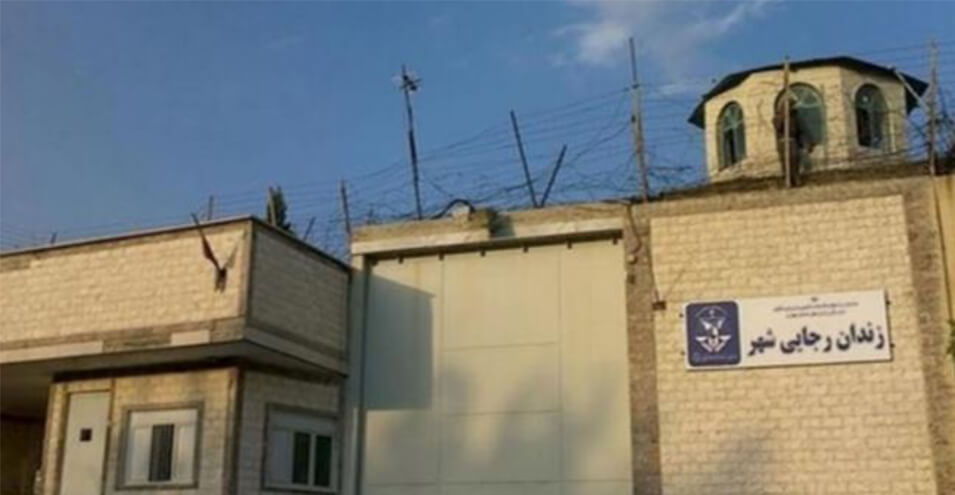
The UN fact-finding mission has noted a significant increase in the use of the death penalty in Iran, some of which are related to drug cases or protests, and reports suggest that some of these sentences were issued based on forced confessions under torture.
In recent years, reports have also shown that the level of executions in Iran has reached its highest level in the past decade, and these cases may indicate a systematic pattern of increasingly violent repression.
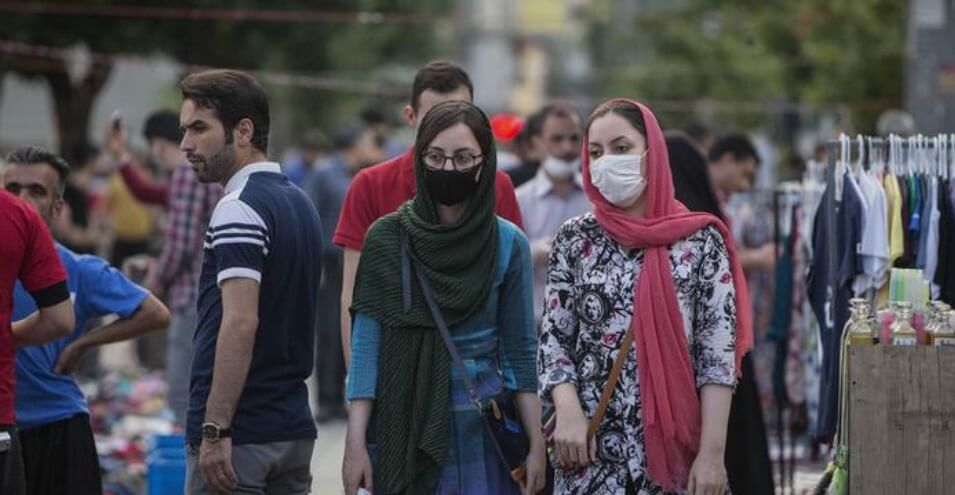
The UN report describes repression and discrimination against religious and ethnic minorities, including Christians, Baha'is, Arabs and Kurds, including arbitrary arrests, confiscation of property and violent attacks. It also documents cases of repression against women and girls, arrests and reports of harassment of those who oppose mandatory hijab laws.
Human rights experts have noted that these crackdowns are accompanied by patterns of gender-based violence and structural discrimination and could represent widespread violations of the fundamental rights of a large number of citizens.
The fact-finding mission has also noted cases of transnational repression, including attempts to assassinate or digitally threaten Iranians and dual nationals abroad and pressure on their families inside Iran, which is part of a broader pattern of restrictions on freedom of expression and cyber pressure.
This type of behavior, according to human rights analysts, reflects a trend that is being followed not only within the country but also beyond its borders to silence the voices of dissidents and civil society activists.
One aspect of the human rights crisis in Iran is the widespread internet and information shutdowns, particularly during times of protests and conflict. These shutdowns, as in previous cases, have severely hampered people’s access to vital information, security alerts, and emergency assistance, and have also hampered independent reporting.
International lawyers and observers have called the move a violation of international obligations on access to information and freedom of expression, and have warned that the policy could lead to increased public distrust.
Previously, the UN Human Rights Council, with the support of a large number of countries, had passed a resolution against human rights violations in Iran and called for increased monitoring and accountability of Tehran.
In addition, the UN Special Rapporteur on Human Rights has warned several times about the unprecedented deterioration of the human rights situation in Iran and emphasized that even after the temporary cessation of military conflicts, the situation for ordinary people has not improved.
Reports of internet shutdowns, extrajudicial executions, harassment of women, discrimination against minorities, and continued repression show that the human rights crisis in Iran goes beyond civil society protests and harms broad segments of society.
Human rights experts have warned that if these patterns continue as policy and serious accountability is not met at the international and domestic levels, it could have profound human, social, and psychological consequences for the Iranian people, especially vulnerable groups.