Russian Sputnik vaccine licensed in Iran
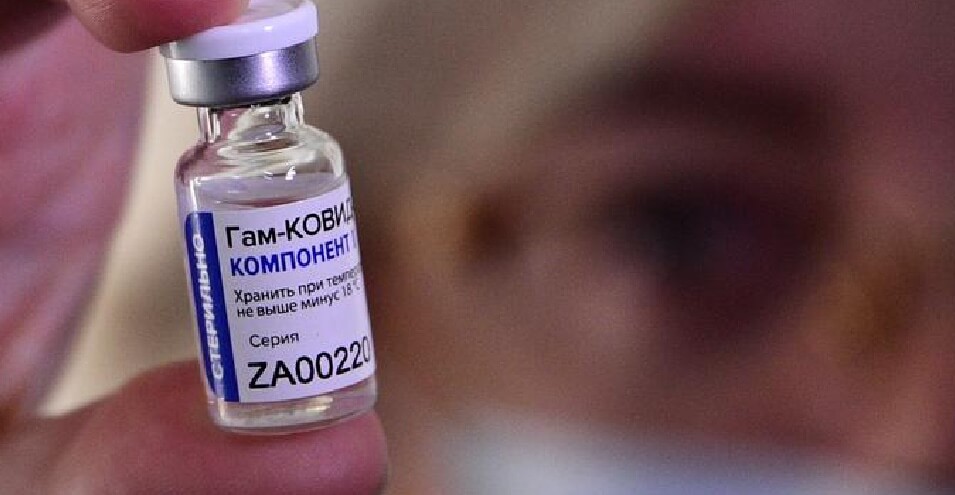
The issuance of emergency use authorization for the Sputnik vaccine comes at a time when the vaccine is awaiting international approval and the use of some approved American and German vaccines is prohibited by order of Ali Khamenei.
The Legal Commission for the Recognition (Authority to Manufacture and Import Medicines and Biological Materials) of the Food and Drug Administration of Iran has issued an emergency authorization for the emergency use of the Sputnik V vaccine. This vaccine is a product of the Russian company Gamala and is still awaiting approval from the World Health Organization.
Kianoush Jahanpour, head of the Public Relations and Information Center of the Ministry of Health, said on Thursday, February 29, in explaining the issuance of this license: "In the 24th meeting of the legal commission, a license was issued for the emergency use of the Sputnik V vaccine in frozen solution form and single-dose and 5-dose vials in Iran."
The license to use the Russian vaccine in Iran was issued while Ayatollah Khamenei's order prohibited the use of vaccines made in the United States and Britain that have been approved by official institutions of these countries and the European Union. The American/German Pfizer Biontech vaccine, which is currently used in a number of countries around the world and is subject to the ban imposed by Ayatollah Khamenei's order, also has a license from the World Health Organization.
Member of the Coronavirus Response Headquarters Committee: It is the Iranian people's bad luck
Minoo Mahrez, a member of the Scientific Committee of the Coronavirus Response Headquarters, in an interview with the Jahan Sanat newspaper on Thursday, considered the government's procurement and import of the Russian coronavirus vaccine "bad luck for the Iranian people" and said that "I am not at all satisfied with this choice at the moment."
He added that "as a member of the medical staff, I will not administer this vaccine because no information has been published about it yet."
Mahrez considered a coronavirus vaccine suitable if it meets global standards and considered a vaccine at this level that "is approved by one of the international sources, one of which is the World Health Organization and the other is the European Union Food and Drug Administration, while this vaccine does not have the approval of any country."
Review of other vaccines
Continuing his interview on Thursday, Jahanpour announced that the process of reviewing other vaccines from India, China, Russia, etc. is still ongoing.
A day earlier, Mahmoud Vaezi, Hassan Rouhani's chief of staff, said on Wednesday, referring to negotiations with "the Russians, the Chinese, and the Indians," that "fortunately, the speed of negotiations with the Russians has increased a lot. They sent us all the documents they had, and the Ministry of Health's scientific group reviewed all of this and asked the questions they had there, and it was approved in the last two days and the approval was sent to the Russians last night."
He continued by stating that the preparations for the contract with Russia have been completed and expressed hope that "the first shipment of Russian vaccines will arrive in Tehran before February 12."
Health Minister Saeed Namaki also announced on Wednesday cooperation with "four European, Russian, Chinese, and Indian sources" in the procurement and production of the vaccine, but did not say which European company it was.
He also called cooperation with Cuba in the field of clinical trials of the country's vaccine fruitful, and announced that the process of preparing two Iranian vaccines is "in progress or entering clinical trials."
Iran's lagging behind in vaccination
In Iran, there is a debate about how to prepare a vaccine while many countries have begun vaccinating people. Officials in the Islamic Republic attribute the incident mainly to economic and financial problems caused by sanctions, but critics cite, beyond the tense policies in the international arena and the sanctions resulting from that, the management that was also evident in containing the Corona crisis, in addition to the prohibitions and restrictions announced by Ayatollah Khamenei, as the main factors behind Iran's lagging behind in the vaccination process.
Source: DW