Corona Management Headquarters' proposal for furloughing "criminal prisoners" in Tehran province
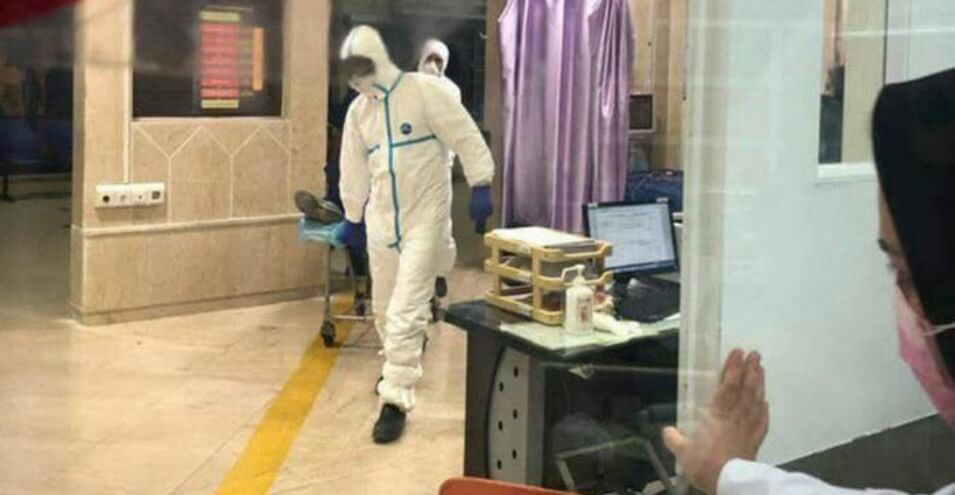
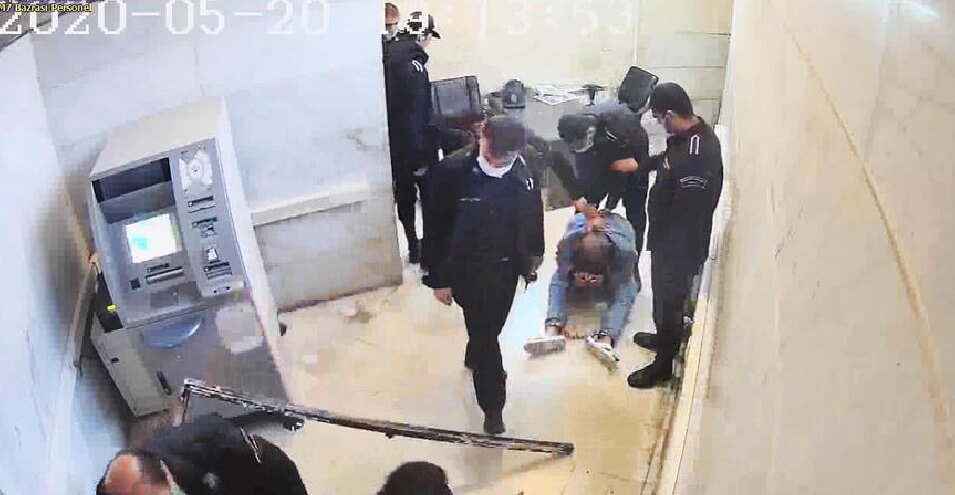
Following the outbreak of the coronavirus in Iran and reflecting some concerns about the spread of the virus in prisons, the Coronavirus Disease Management Headquarters in Tehran suggested to the judiciary that some prisoners in Tehran province be granted leave, subject to certain conditions.
Alireza Zali, head of the headquarters for the management of the coronavirus disease in the metropolitan city of Tehran, spoke on Thursday, February 27, at a meeting to explain the headquarters' resolutions, about the possibility of releasing some "Tehran province prisoners" if the judiciary authorities agree.
According to ISNA, the proposal of this headquarters to the judiciary was that prisoners in Tehran province be allowed to leave after "screening and classification for criminal offenses" and on condition that a "health certificate is issued by the health and treatment authorities within the prisons."
According to Zali, by releasing this group of prisoners, “a significant burden of gatherings in prisons will be reduced.” The judiciary has not yet responded to this proposal from the COVID-19 Operations Command.
Previously, a group of families of political prisoners wrote a letter to Ebrahim Raisi, the head of Iran's judiciary, asking him to agree to the release or leave of prisoners until the end of the crisis related to the spread of the coronavirus in the country.
The families of political prisoners wrote in their letter: "We, a group of families of political prisoners, demand the release or at least acceptable leave of the prisoners until the end of the crisis, in order to prevent a human catastrophe."
The judiciary has not yet responded to these families’ requests. On March 25, Gholamhossein Esmaili, a spokesman for the judiciary, announced the head of the judiciary’s order to grant special leave to “eligible prisoners.” Without elaborating on the details, he only said that the decision was made to “in the current situation in the country,” to reduce the number of prisoners entering prisons as much as possible and to reduce the number of arrest warrants.
Meanwhile, the IranWire website reported yesterday that journalist Masoud Kazemi was released from Evin Prison on the evening of March 27, writing that the reason for the journalist's release was apparently the spread of the coronavirus in Evin Prison.
Uncertainty among prisoners from other provinces
According to reports from news agencies inside Iran, the release of prisoners has only been proposed for prisoners in Tehran province due to concerns about contracting the coronavirus. It is not yet clear whether prisoners from other provinces will also be eligible for this release. It is also not yet clear what will happen to political, ideological, and security prisoners.
Many civil, human rights, and political activists are serving their sentences in prisons in other provinces, and according to a report by the Ministry of Health, more than 20 provinces in the country are affected by the coronavirus, and this issue has also worried the families of prisoners in other cities.
Sediqeh Malikifar, the wife of Hashem Khastar, a political prisoner in Mashhad, said on February 25 that the families of 14 political prisoners wrote a letter to the head of the judiciary demanding the immediate release of the prisoners from the threat of the coronavirus. They asked the head of the judiciary to either release these prisoners or grant them leave.
These 14 political prisoners are the ones who recently wrote an open letter calling for Ali Khamenei’s resignation. They are currently in prisons in Mashhad, Tehran, and Kashan. The authors of the letter hold the judiciary responsible for the consequences of “the spread of this dangerous disease among prisoners.”
Reza Khandan, the husband of Nasrin Sotoudeh, a lawyer and human rights activist who is in prison, also expressed concern about prisoners contracting the coronavirus, writing on Facebook: "The lives of prisoners are in grave danger due to the spread of the coronavirus and the high probability of the virus entering the prison."
Asghar Jahangir, head of the Iranian Prisons Organization, told domestic news agencies yesterday that in order to "prevent the transmission of the coronavirus to prisons," until further notice, meetings with prisoners will be held in private.
The concerns of prisoners' families about contracting the coronavirus became serious after some news reported the death of a prisoner in Fashawiya Prison due to the coronavirus.
Emphasis on barracks hygiene
Another focus of the Corona Management Headquarters in Tehran was on military units in the Tehran metropolis and the barracks. Zali, the head of the headquarters, praised the measures taken by the military units in Tehran and said that preventive and health services should be considered and emphasized in these spaces.
Source: DW