Amnesty International Annual Report: Human Rights Violations in Iran in Eight Areas
Amnesty International, in its annual report, reviewed the state of human rights in 2017 in 159 countries, including Iran.
The report states that the progress achieved in the state of human rights despite great hardships demonstrates that the defense of human rights can produce positive results.
Amnesty International described the purpose of preparing this report as showing people’s struggles to gain their rights and governments’ failures in respecting human rights.
Margaret Hwang, Executive Director of Amnesty International, said: These countries either violated human rights or asked others to violate human rights.
Amnesty International examined the state of human rights in Iran in 2017 in eight areas:
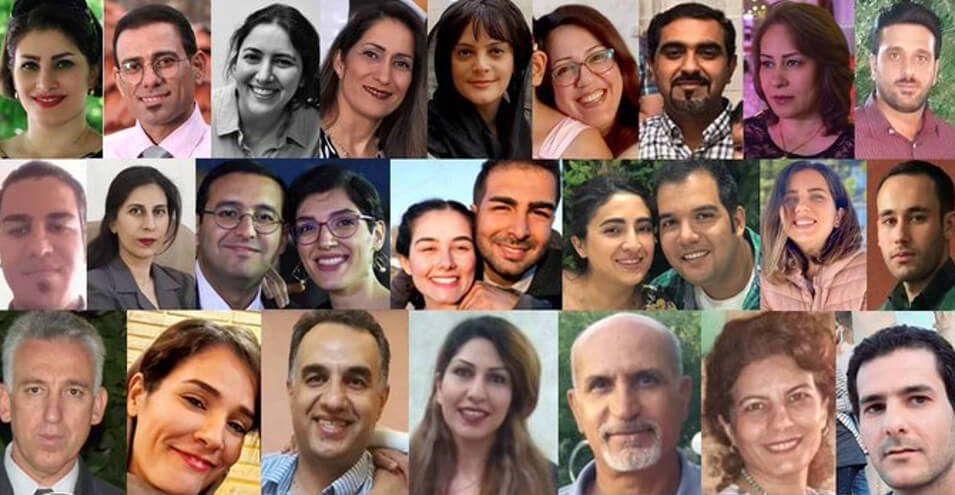
- Regarding freedom of expression, association and assembly, it reminds that a large number of critics, protesters, journalists, online media workers, students, filmmakers, musicians, writers, human rights activists, environmental activists, labor union activists, women’s rights activists, minorities, opponents of capital punishment, lawyers, and those seeking justice for perpetrators of mass executions in the 1980s have been arrested and imprisoned.
- Authorities arrested and imprisoned hundreds of people who participated in peaceful demonstrations in dozens of cities over a month ago. The judiciary called Telegram channels a threat to national security. Social media such as Facebook, Twitter, and YouTube were also blocked. Authorities continue to crack down on mixed-gender gatherings. Widespread censorship is being applied.
- Regarding torture and other punitive measures, Amnesty International, while expressing concern about the prevalence of torture, states that detainees by the Ministry of Intelligence and the Islamic Revolutionary Guards Corps continue to be held in solitary confinement cells. In many cases, authorities deprive political prisoners of medical care. This deliberate action is carried out with the aim of pressuring them to repent.
- Another type of torture is the execution of flogging sentences in public for teenagers on charges of theft, breaking the fast, and participating in mixed-gender gatherings.
- Unfair trials, violation of freedom of religion and belief, discrimination against ethnic minorities, and discrimination against women and girls are four other issues emphasized in Amnesty International’s report.
- Regarding discrimination against ethnic minorities, particularly discrimination against Arabs of Ahvaz, Azerbaijanis, Turks, Baluch, Kurds, and Turkmens, details are mentioned.
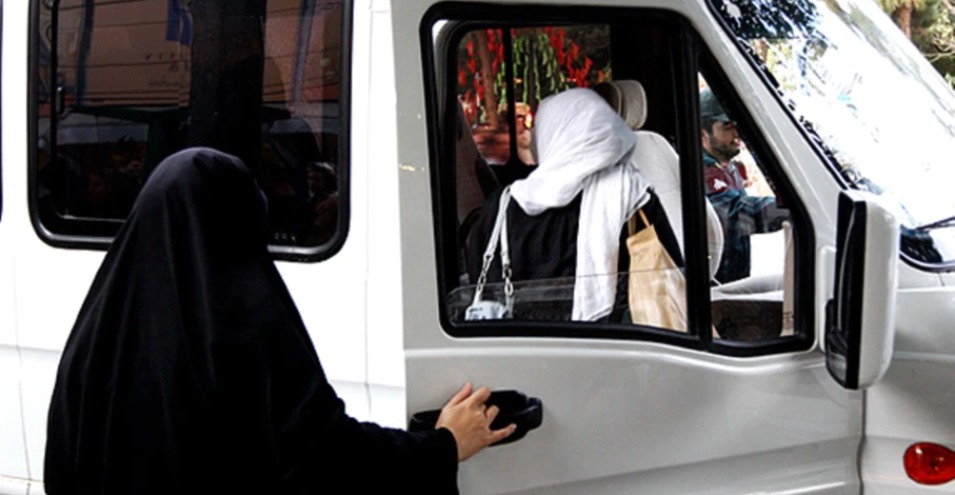
- Amnesty International’s report on women states: Women suffer discrimination both in practice and under the law, including the right to divorce, employment, equal inheritance with men, and political responsibilities.
- The execution of hundreds of people following unfair trials, public executions, the execution of minors who were under eighteen years old at the time of committing the crime, and the execution of stoning sentences are among other concerns of Amnesty International.
The Amnesty International organization has been closely monitoring the state of human rights in Iran in recent years.
Source: Voice of America